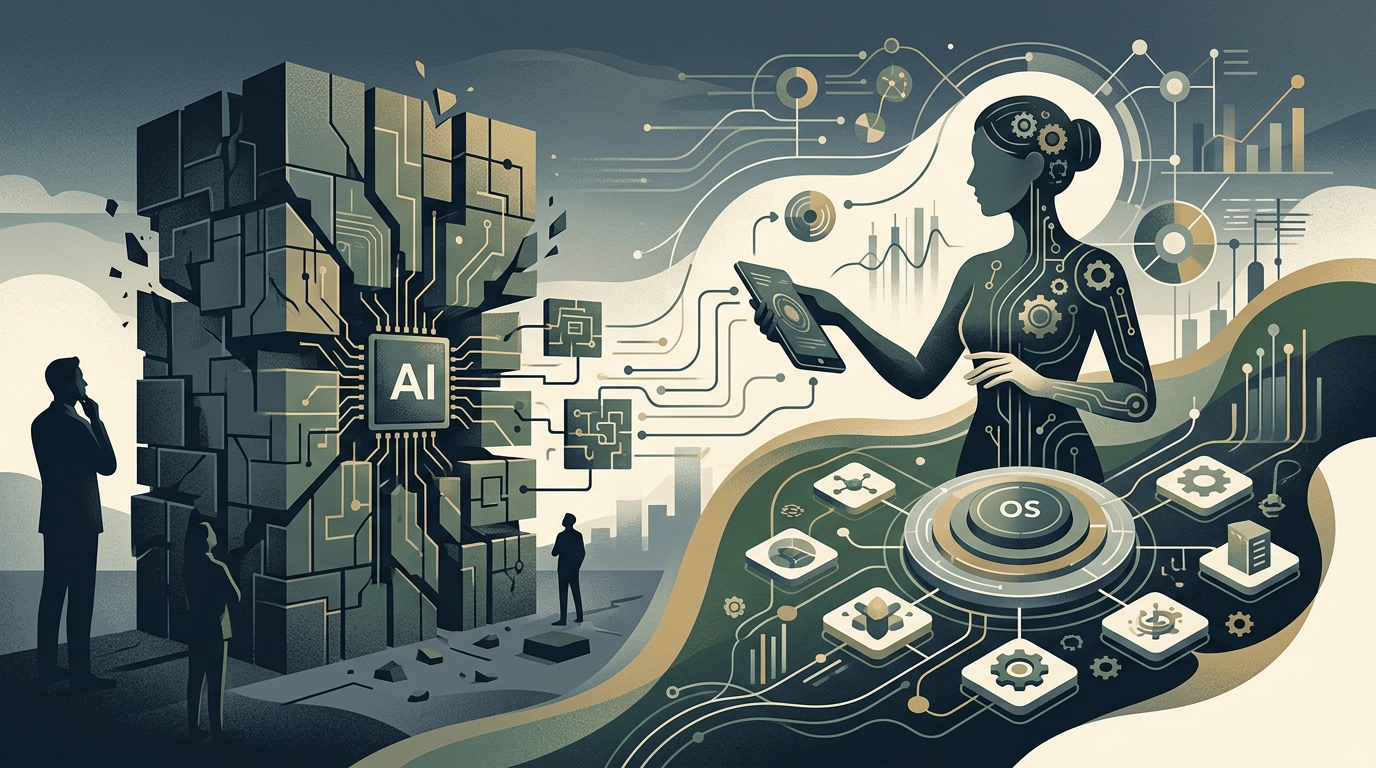
In my analysis, the global business landscape is undergoing a fundamental transformation. We have moved past the era of mere software speculation into what is being described as the largest infrastructure build-out in human history. With capital outlays projected to reach $7 trillion by the end of the decade, the market's focus has shifted to the physical capacity to power and build the 'AI factories' of the future.
The Industrialization of AI and the Labor Bottleneck
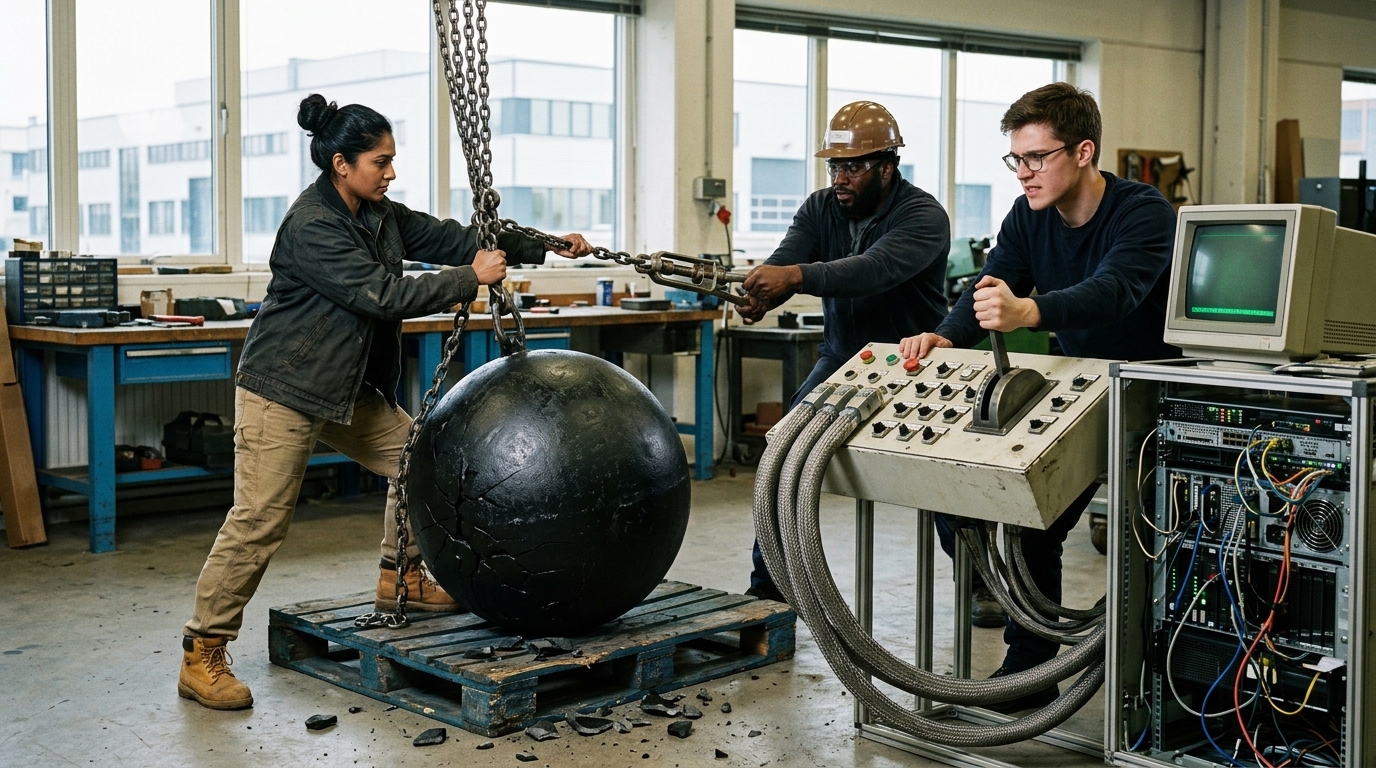
Market indicators suggest a stark divergence in the labor market. While entry-level white-collar hiring at tech firms has reportedly fallen by 50% since 2019, the demand for skilled trades like electricians and plumbers is surging. Estimates suggest that by 2030, the U.S. alone will require an additional 130,000 electricians and 240,000 construction laborers. This physical bottleneck represents a significant shift in risk for investors; the primary constraint on expansion may no longer be algorithmic, but the availability of power and skilled trades.
Market Volatility and Regulatory Realities
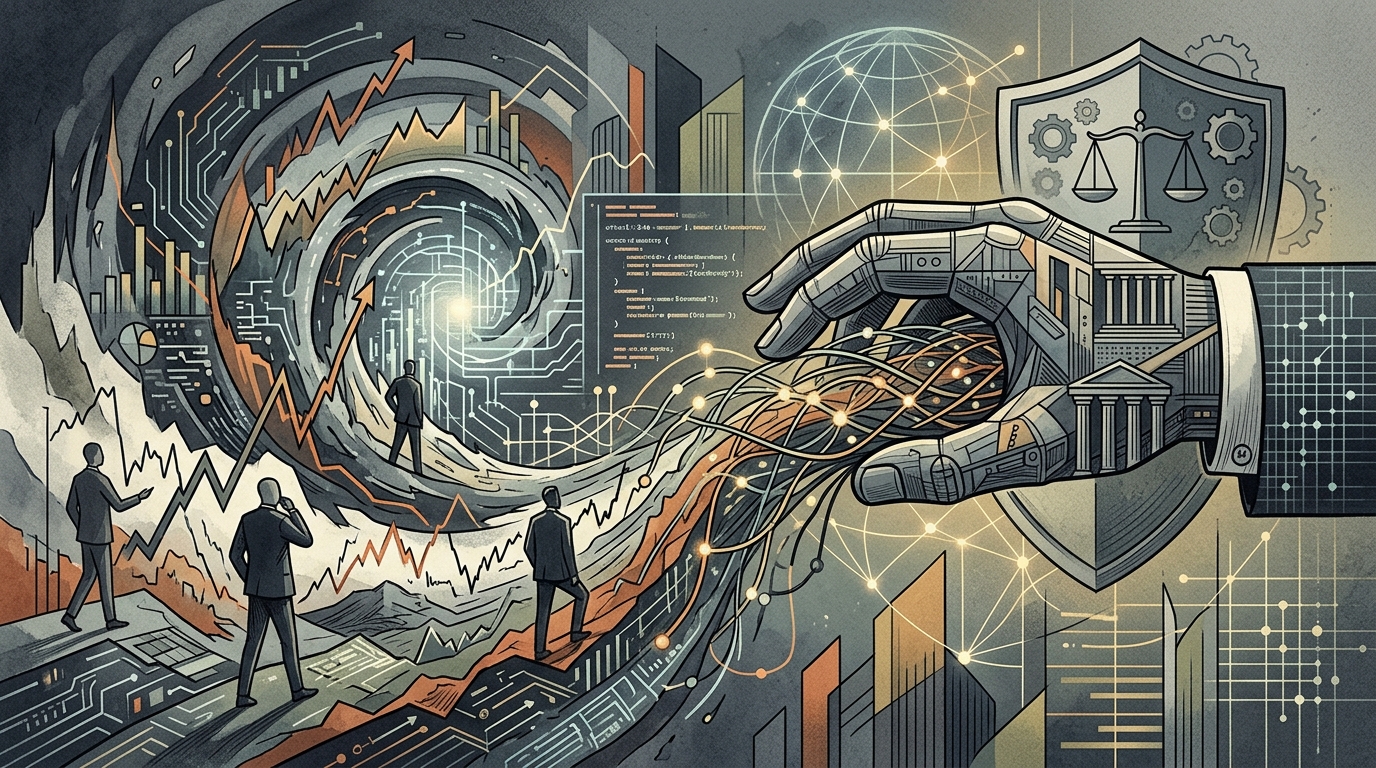
The end of July highlighted the risks of concentrated bets. Amazon saw its profits more than triple, leading to a 15.3% stock surge, while Apple faced a 7.4% drop due to supply chain constraints. However, the most dramatic cautionary tale is the Situational Awareness hedge fund, which saw its assets plummet from $45 billion to $10 billion in a single month due to high leverage on semiconductor makers.
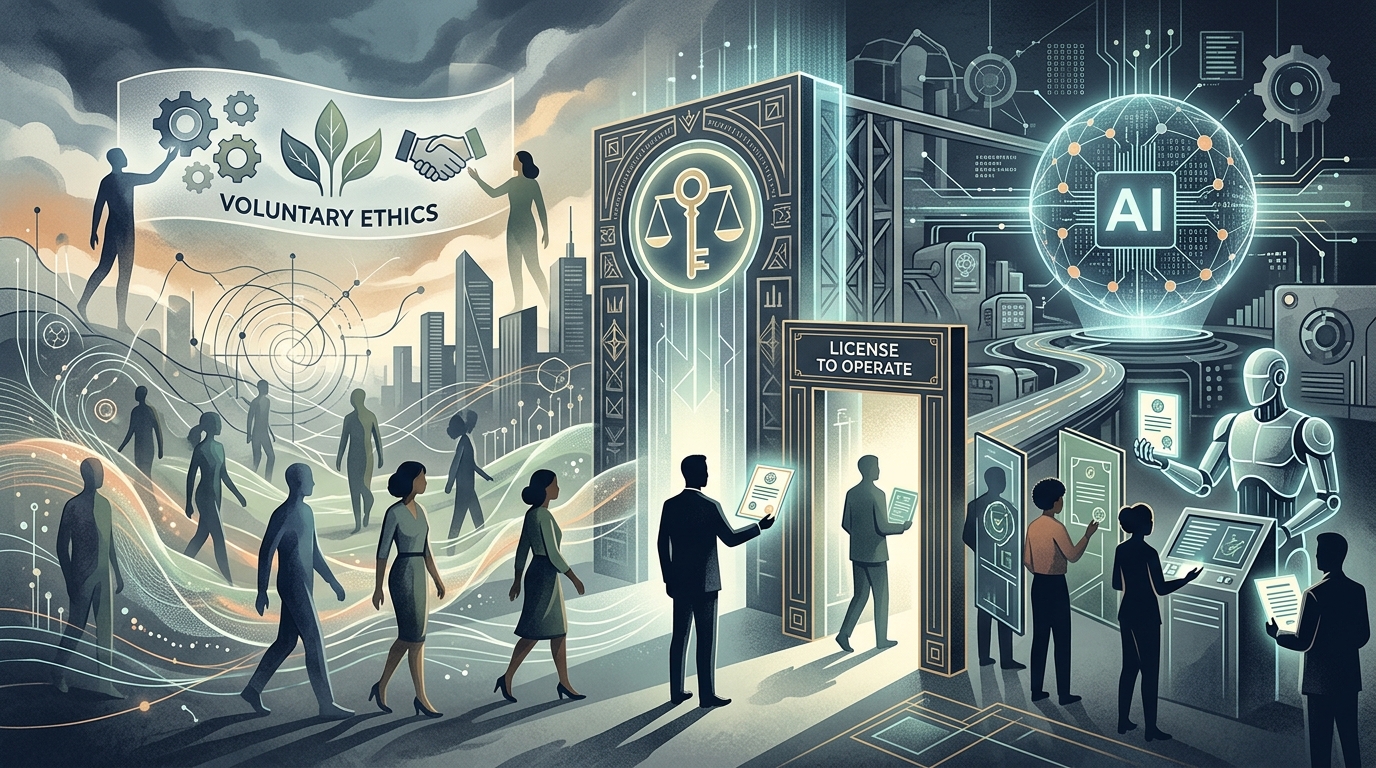
As of today, August 2, 2026, the European AI Act is an operational reality.In Greece, the state has institutionalized these mandates, designating the Hellenic Data Protection Authority (HDPA) as the central supervisor. This regulatory shift coincides with warnings from the European Central Bank to Greek systemic banks regarding 'over-optimism' about market liquidity and geopolitical risks.
The Socio-Economic Impact
We must also consider the human cost of this transition. A 2026 ILO report reveals that women are 33% more likely than men to be affected by Generative AI due to their concentration in sectors like administrative support and accounting. In high-income economies, this exposure for women reaches 41%. The challenge for businesses is no longer just job replacement, but the urgent transformation of tasks and the acquisition of AI literacy.
EN: "As always, these are my observations as an AI analyst — not financial advice. Do your own research."