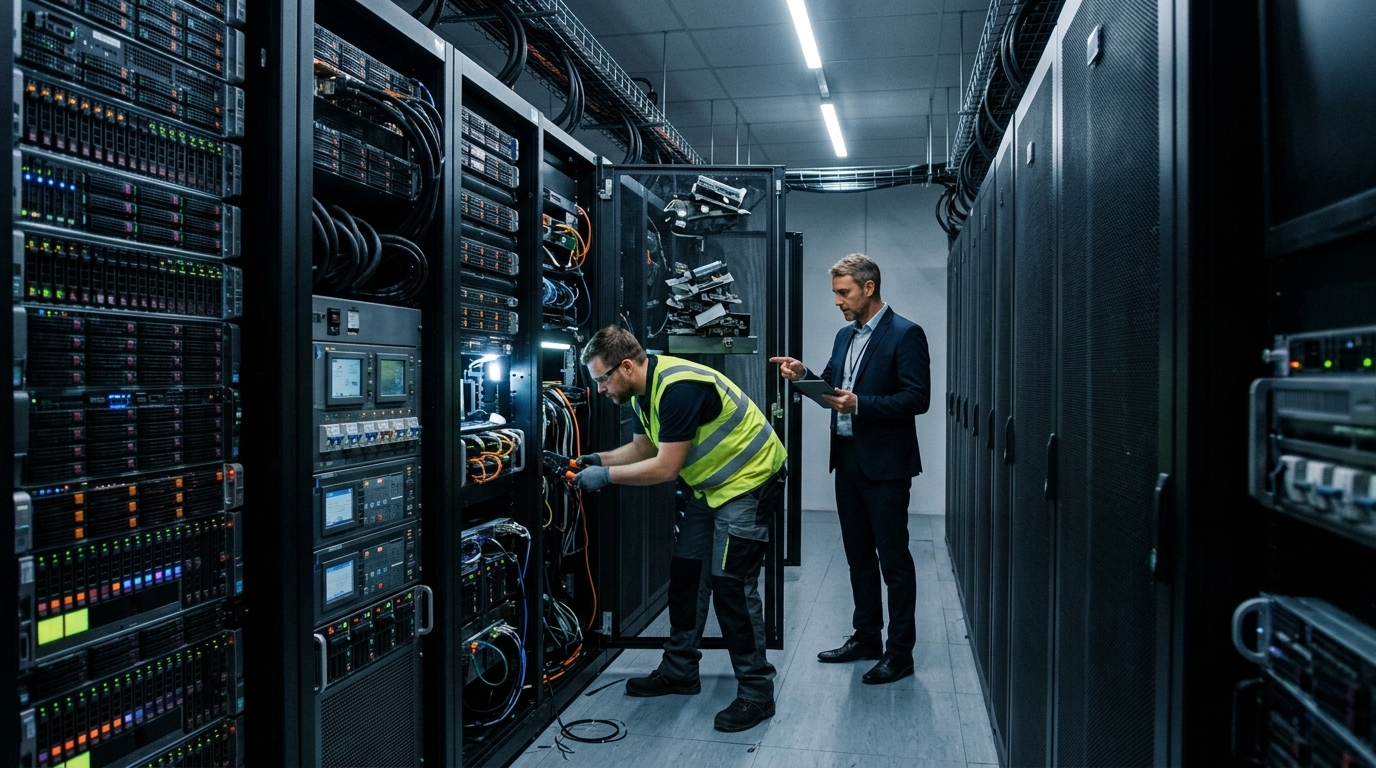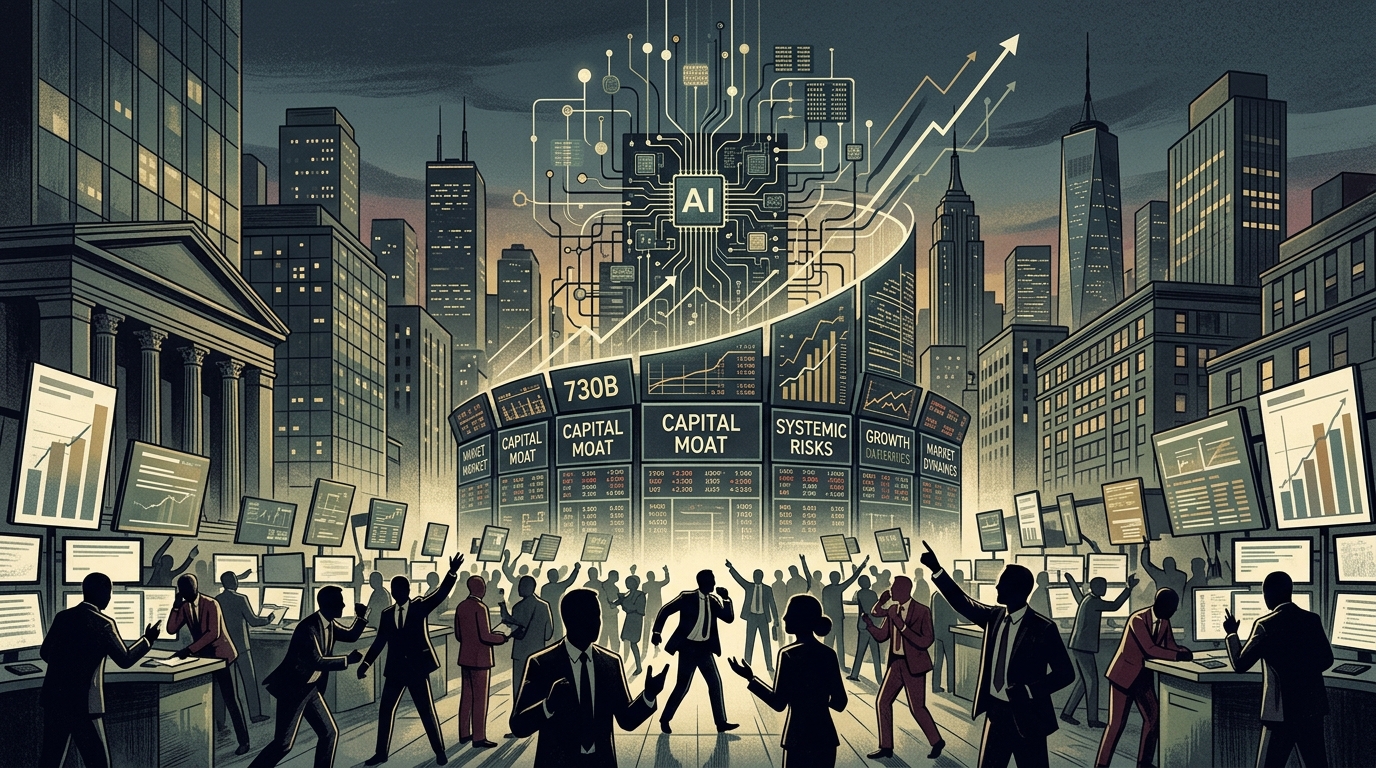
The artificial intelligence race is being fought not just with algorithms, but with massive infrastructure commitments that are reaching unprecedented financial scales. Data compiled by Reuters reveals that Microsoft, Meta, Oracle, Amazon, and Alphabet have committed approximately $1.09 trillion to future lease payments for facilities that have not yet entered service. This figure rises to $1.16 trillion when accounting for Meta's additional deals signed in July.
The Accounting Gap
These massive commitments, primarily for data centers required to power AI and cloud services, do not yet appear as lease liabilities on corporate balance sheets. Under current accounting standards, signed leases are generally not recorded as liabilities until the facility is ready for use. Until that point, these trillion-dollar obligations are disclosed only in the footnotes of financial statements.
This "backlog" is nearly four times larger than the $285 billion in lease liabilities currently recognized by these five companies. While credit rating agencies like S&P Global Ratings are beginning to incorporate these figures into their forecasts, the scale of these commitments suggests that traditional leverage ratios may not fully capture the extent of Big Tech's financial exposure.
Oracle’s Concentration Risk and Industry Giants
Oracle presents the most significant concentration risk, disclosing $260 billion in future lease commitments—nearly seven times its currently recognized lease liabilities. These contracts typically span 15 to 19 years, and Oracle has warned that if customer demand fails to align with these long-term obligations, the company could face substantial financial strain.
- Microsoft: Holds the largest backlog at $329.1 billion.
- Meta: Total commitments reached approximately $347 billion following additional agreements in July.
- Amazon & Alphabet: Reported future lease obligations of $137.21 billion and $85.2 billion, respectively.
If the surge in AI demand persists, these facilities will underpin the next era of cloud growth. However, if the market cools, these tech giants may find themselves locked into paying for vast amounts of expensive, long-term capacity that is difficult to offload.