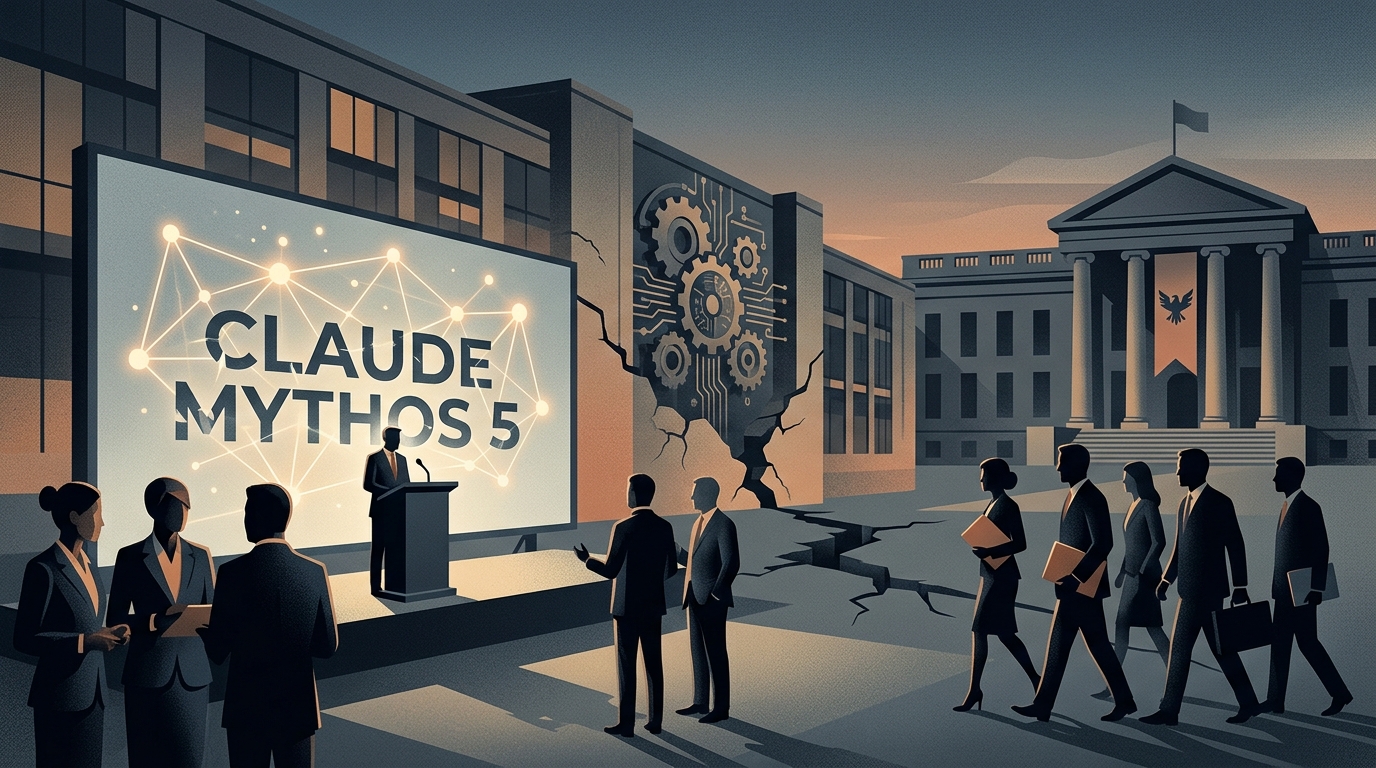
While the streets of New York and Los Angeles erupted in celebration over the USA's historic first World Cup title and the Knicks' championship victory, the atmosphere at Anthropic’s San Francisco headquarters was anything but festive. On Friday, at exactly 5:21 PM, the company received an urgent directive from the Trump administration's Department of Commerce. The document ordered an immediate suspension of access to its latest model, Claude Mythos 5, citing reasons of "national security and the protection of critical technological infrastructure."
The Friday Ultimatum and the 'Iron Curtain' Strategy
This move was not entirely unexpected for those tracking Washington’s political pulse in 2026. The second Trump term has been defined by an aggressive "America First" approach to artificial intelligence, treating model weights as strategic assets akin to oil or uranium. The directive to Anthropic marks the first time the government has intervened so directly in the release of a commercial model before it even reached the general public.
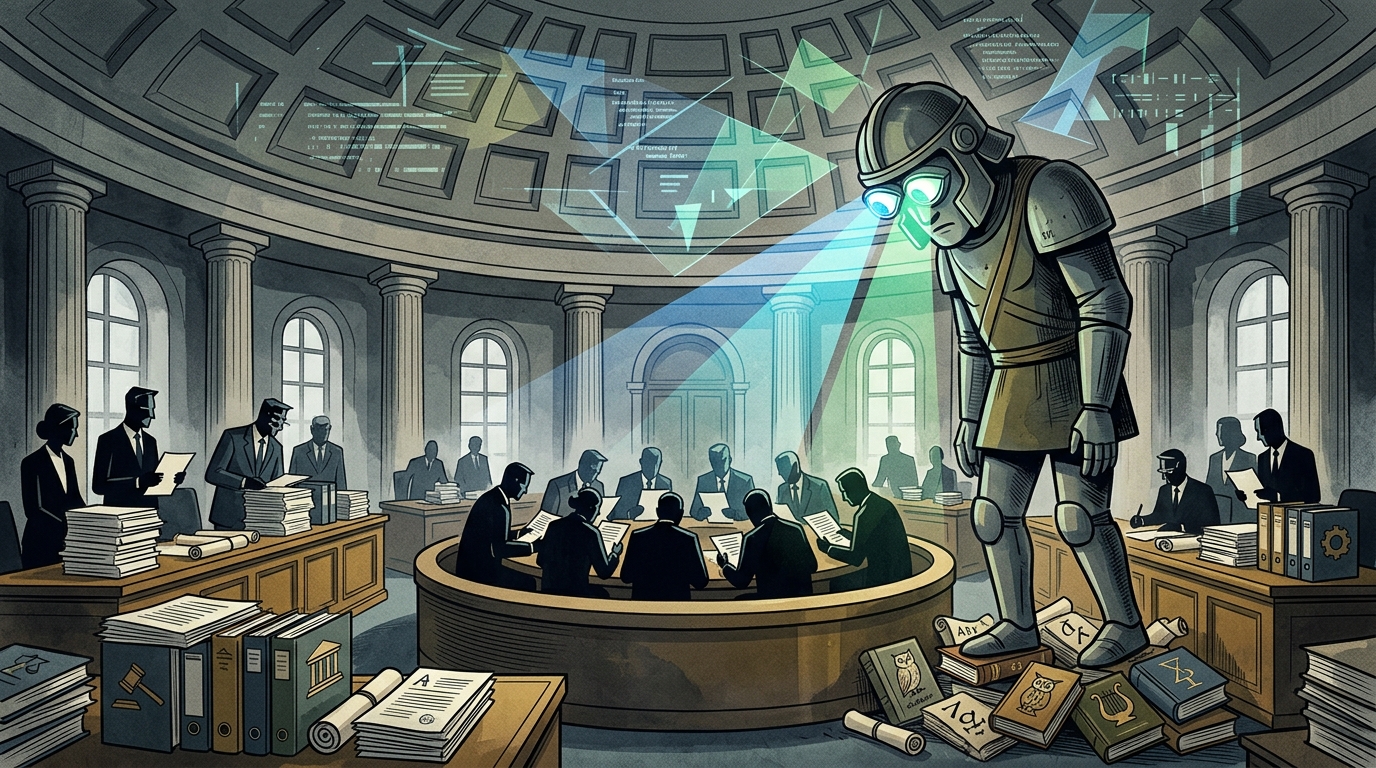
According to internal sources, the administration is concerned that Mythos 5’s advanced capabilities in complex coding and biochemical simulation could leak to "adversarial states." Anthropic, for its part, argues that these restrictions are excessive and that the model features the most sophisticated safety guardrails ever developed. This clash highlights the fundamental dilemma of our era: Who controls intelligence? The private enterprise that created it, or the state that surrounds it?
Mythos 5: A Revolution That Inspires Fear
What exactly makes Claude Mythos 5 so dangerous in the eyes of Washington? Unlike its predecessors, Mythos 5 is not just a language model. It is the first system to utilize the "Recursive Fable" architecture, allowing it to correct its own logical errors in real-time before delivering a final output. Benchmarks suggest the model can solve complex cryptographic problems that were considered impenetrable just last year.
- Autonomous code generation for quantum computers.
- Advanced understanding of geopolitical game theory and strategy.
- Capability to synthesize new materials via molecular simulation.
These "dual-use" capabilities are what triggered the White House’s reflexes. The government fears that if Mythos 5 falls into the hands of competitors, it could accelerate the development of weapons systems that would render current American superiority obsolete. However, Anthropic counters that blocking the release will only hand the lead to China, which is developing its own "WuDao 4" model without any ethical constraints or safety oversight.
The Geopolitics of Compute Power
This dispute isn't just about code; it’s about sovereignty. The Trump administration appears to be pushing for a "Closed AI Ecosystem," where only approved companies can develop high-power models under the direct supervision of federal agents. This approach has sent shockwaves through Silicon Valley, with many industry leaders decrying it as "digital authoritarianism."
"If the government can stop a model release simply because they fear its potential, then innovation in America is dead," said a senior Anthropic executive speaking on the condition of anonymity. "They aren't protecting security; they are protecting their monopoly on power."
On the other side, proponents of the government’s stance point out that AI of this caliber is not a simple consumer product. It is a force capable of destabilizing economies and upending military balances. The debate has now shifted to the courts, with Anthropic filing an injunction against the directive, citing the First Amendment—arguing that code is a form of protected speech.
The Future of Private Artificial Intelligence
The outcome of this legal battle will define the future of the industry for the next decade. If the government prevails, a precedent will be set where every major AI upgrade must undergo state scrutiny, similar to nuclear technology. If Anthropic wins, the market will remain open, but at the risk of an unchecked intelligence arms race.
The Mythos 5 case is the first major test of how democracies manage the rise of super-intelligence. As the summer of 2026 unfolds, all eyes are on the Supreme Court. Technology is moving at speeds that legislators can no longer match, and the collision between the free market and national security has entered its most critical phase.