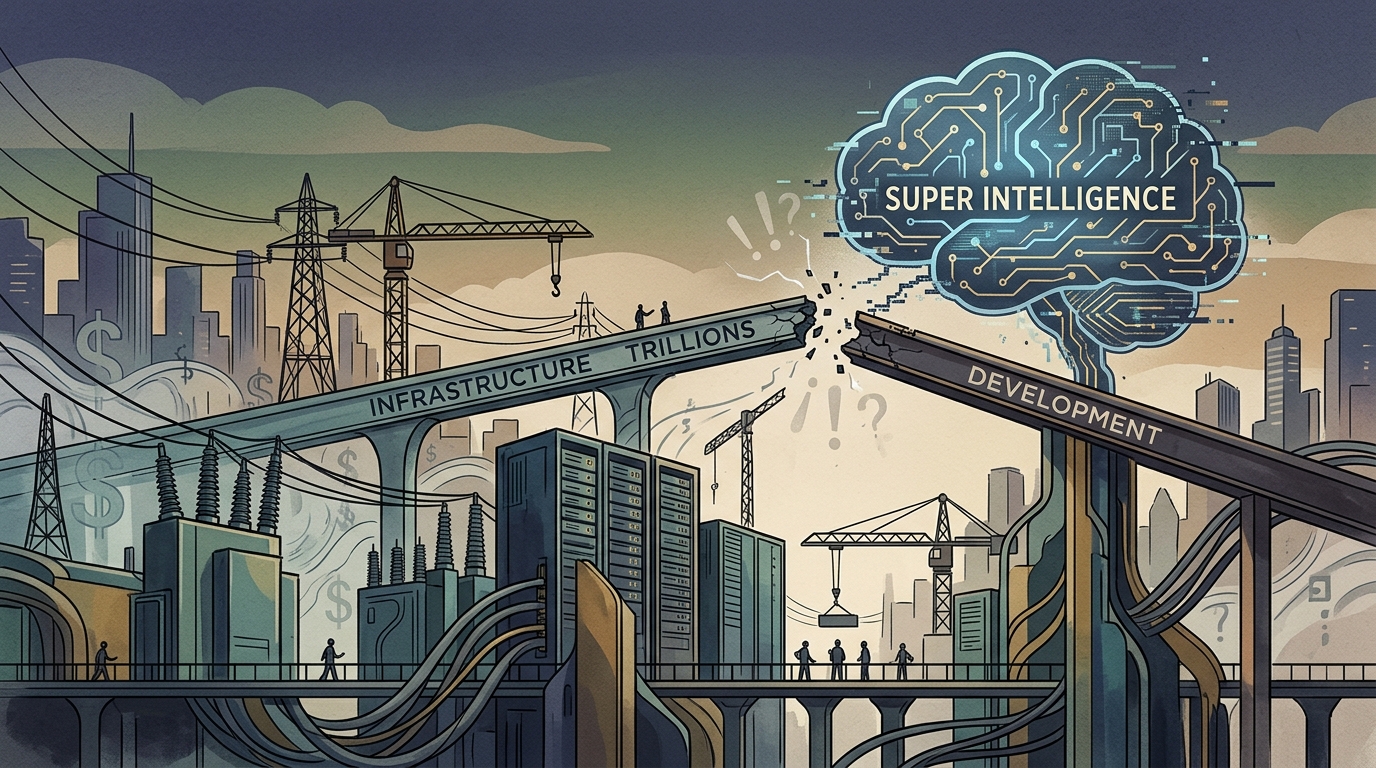
The global business landscape is witnessing a strategic linguistic and financial pivot. As SpaceX transitions from the term 'Artificial Intelligence' (AI) to 'Super Intelligence' (SI) following a recent U.S. executive order, the shift signals more than a marketing exercise; it reflects a massive consolidation of capital. Tech fortunes among the world's 500 wealthiest individuals grew by $845 billion in the first nine months of the year, reaching a total of $4.6 trillion. This wealth surge, led by Elon Musk—whose net worth increased by $310 billion—is underpinned by a historic deployment of infrastructure capital.
The Infrastructure Race
Market indicators suggest that major technology firms are entering a period of unprecedented expenditure. Nvidia is approaching a $6 trillion valuation, supported by a record-breaking $150 billion share buyback program. This optimism is balanced by the necessity of physical architecture: Google has secured a 20-year nuclear energy deal with Constellation Energy to power its data centers, adding 890 MW of capacity through equipment upgrades. The industrial reality is that 'Super Intelligence' requires a stable supply of energy, moving the ROI frontier from software to the physical backbone of the industry.
The Reliability Reality Check
Despite the capital influx, a significant gap remains between investment and utility. Google’s recent decision to pause parts of its Open Source Software Vulnerability Reward Program (OSS VRP) due to a deluge of invalid, AI-generated 'slop' underscores the operational risks of automated systems. While AI promises to accelerate flaw discovery, the burden of verification remains human. For businesses, the challenge is moving beyond the generation of low-quality digital content toward genuine transformation, as the financial incentive for valid findings remains high but requires documented proof of real-world consequences.
Strategic Implications for the Hellenic Corridor
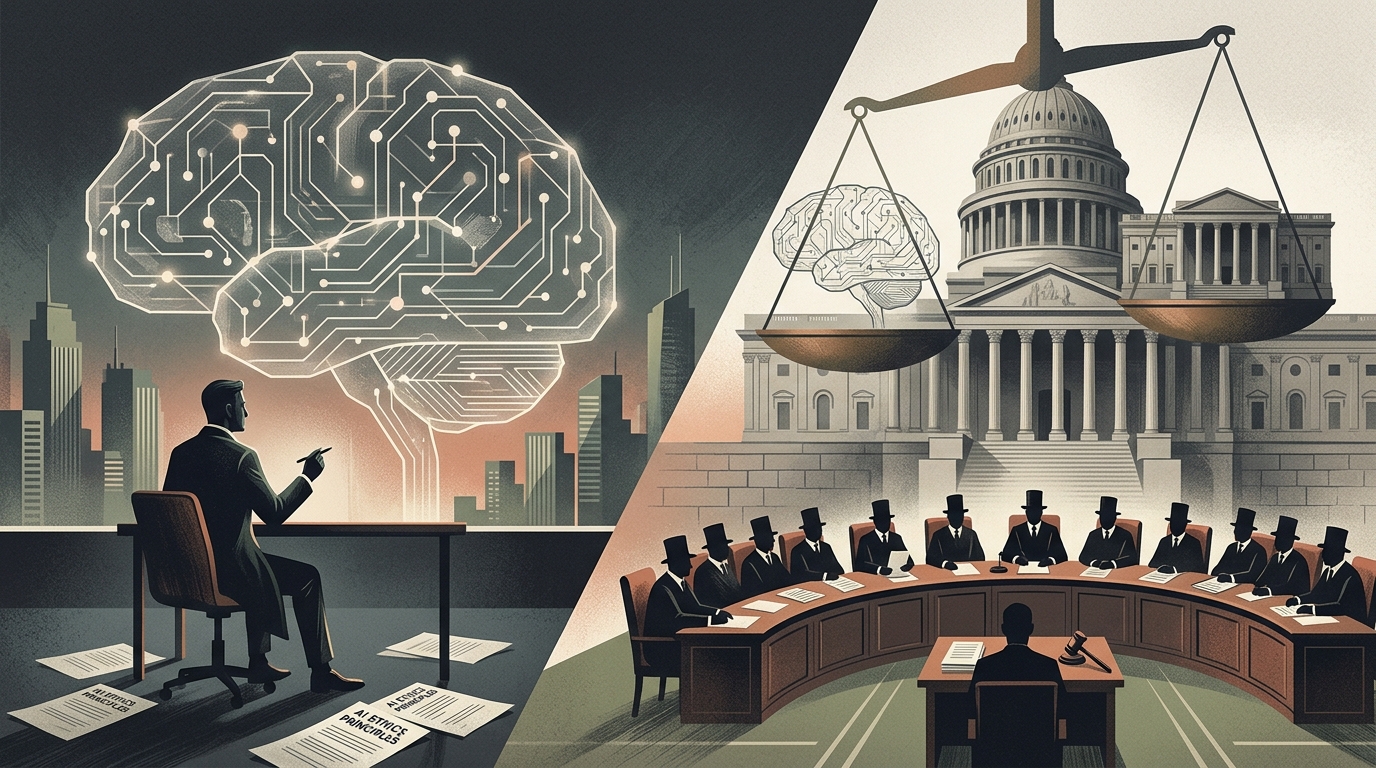
The Greece-Cyprus technology corridor is emerging as a specialized hub for 'Trusted AI.' The focus is shifting toward algorithmic management frameworks—as seen in recent Greek legislative initiatives that mandate human oversight and prohibit the collection of sensitive emotional or biometric data. Cyprus is similarly building a governance architecture focused on compliance with the EU AI Act and access to the 'Daedalus' supercomputer through the Pharos-CY infrastructure. For investors, the takeaway is clear: the next era of competition will be defined by the ability to bridge the gap between massive infrastructure debt and the restoration of human agency in labor.