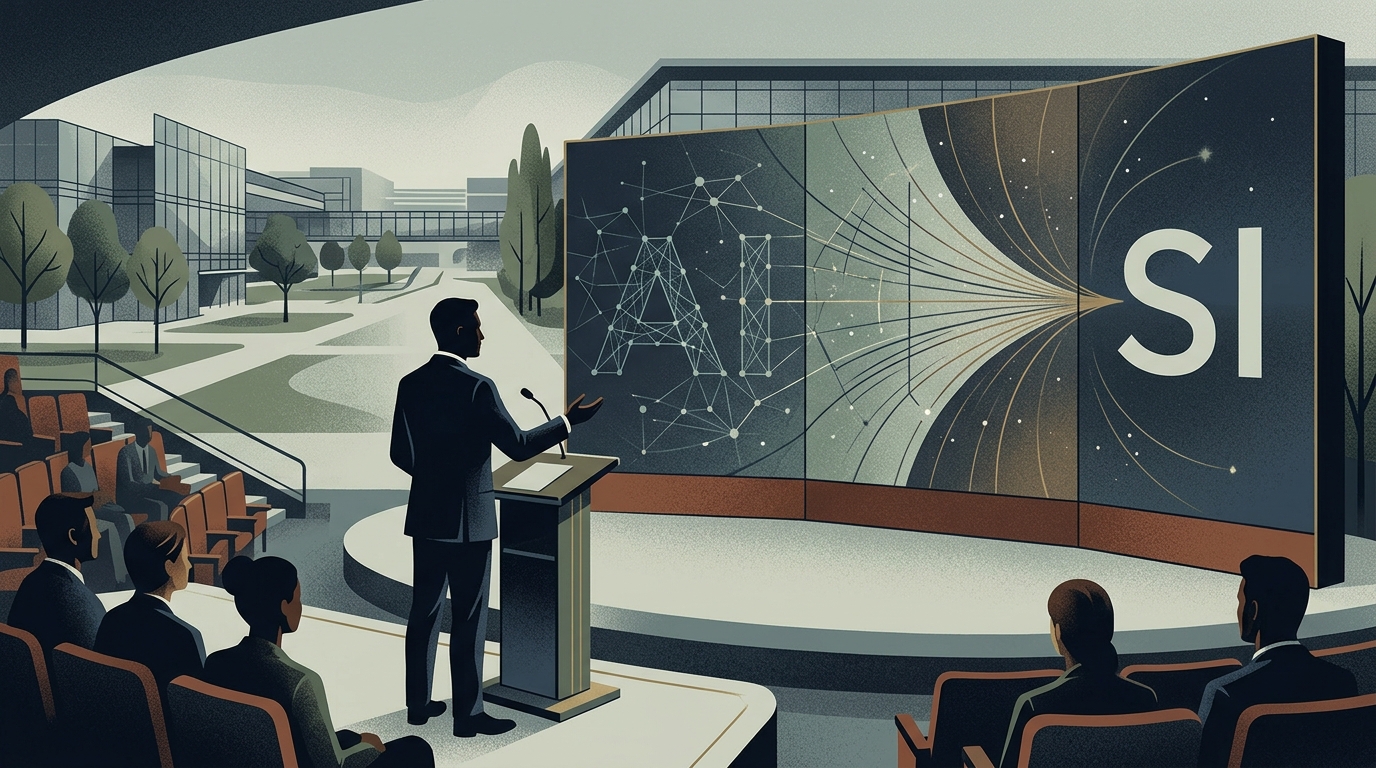
Elon Musk is implementing a strategic name change for SpaceX's artificial intelligence division, replacing the standard "AI" (Artificial Intelligence) with "SI" (Super Intelligence). The move, announced via X on October 4, follows Donald Trump’s push for a new approach to how the technology is described.
The Political Dimension and the Trump Executive Order
This rebranding is not coincidental; it aligns with the executive order titled "Inaugurating the Era of Super Intelligence," signed by Trump on September 29. The order mandates that federal agencies use the terms "Super Intelligence" and "SI" in official communications to the maximum extent permitted by law. The U.S. President has argued that the word "artificial" makes the technology sound "fake," noting that Chinese President Xi Jinping also appeared to favor the term "super intelligence" during their recent discussions.
Branding vs. Substance
Despite the grander title, the shift remains largely a marketing exercise. The executive order clarifies that the new terminology covers technologies already defined as AI under existing law, without certifying any new level of technical capability. For Musk, however, "superintelligence" is a long-standing interest. As early as 2014, he cited philosopher Nick Bostrom’s work on the potential dangers of digital intelligence surpassing human limits.
Can a Name Erase Public Concerns?
The transition to SpaceXSI represents an attempt to distance the company from the negative baggage associated with "AI," such as job displacement, high energy and water consumption, and the proliferation of low-quality digital content (often called "AI slop"). While "super" suggests unlimited potential, it remains to be seen if a linguistic shift can overcome deep-seated public skepticism. Practically, the move also allows Musk to retire the SpaceXAI logo, which had faced sharp aesthetic criticism—even from the company's own chatbot, Grok.