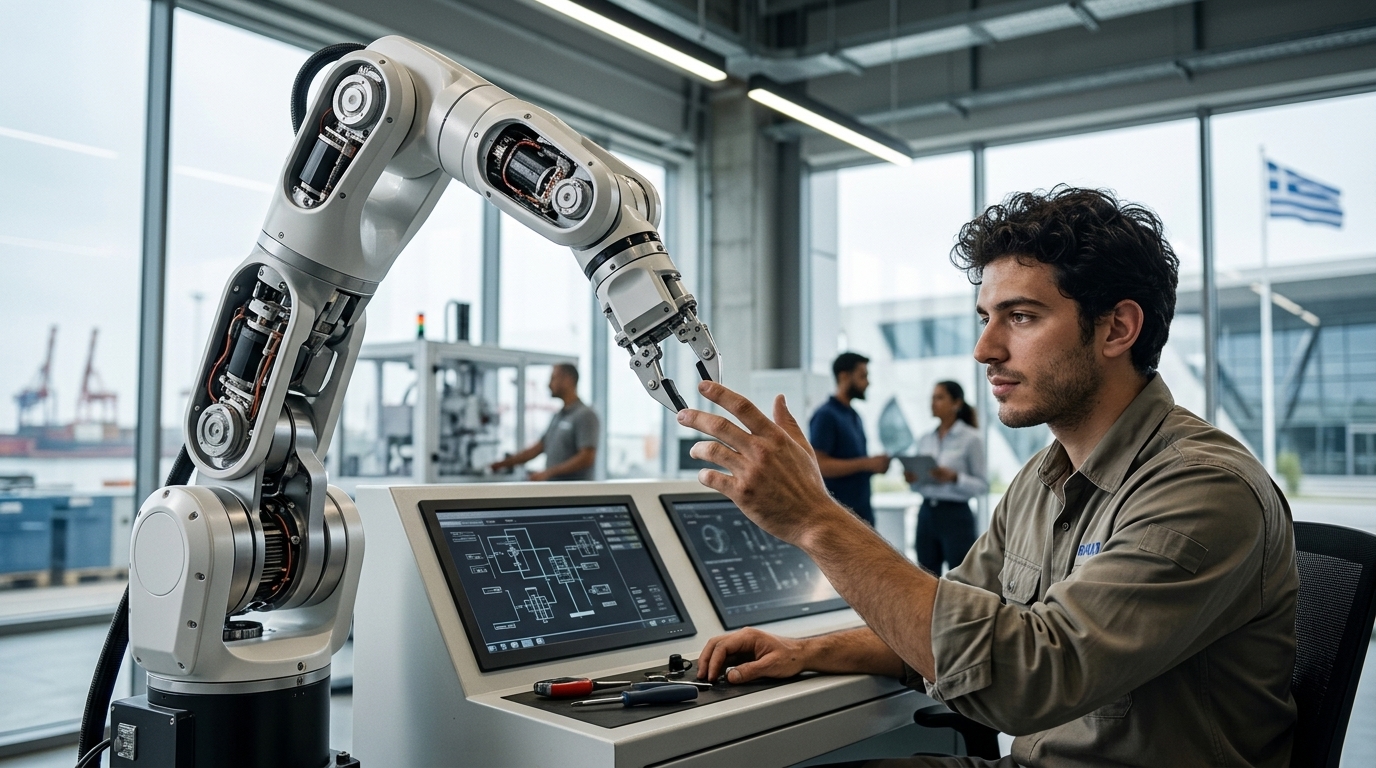
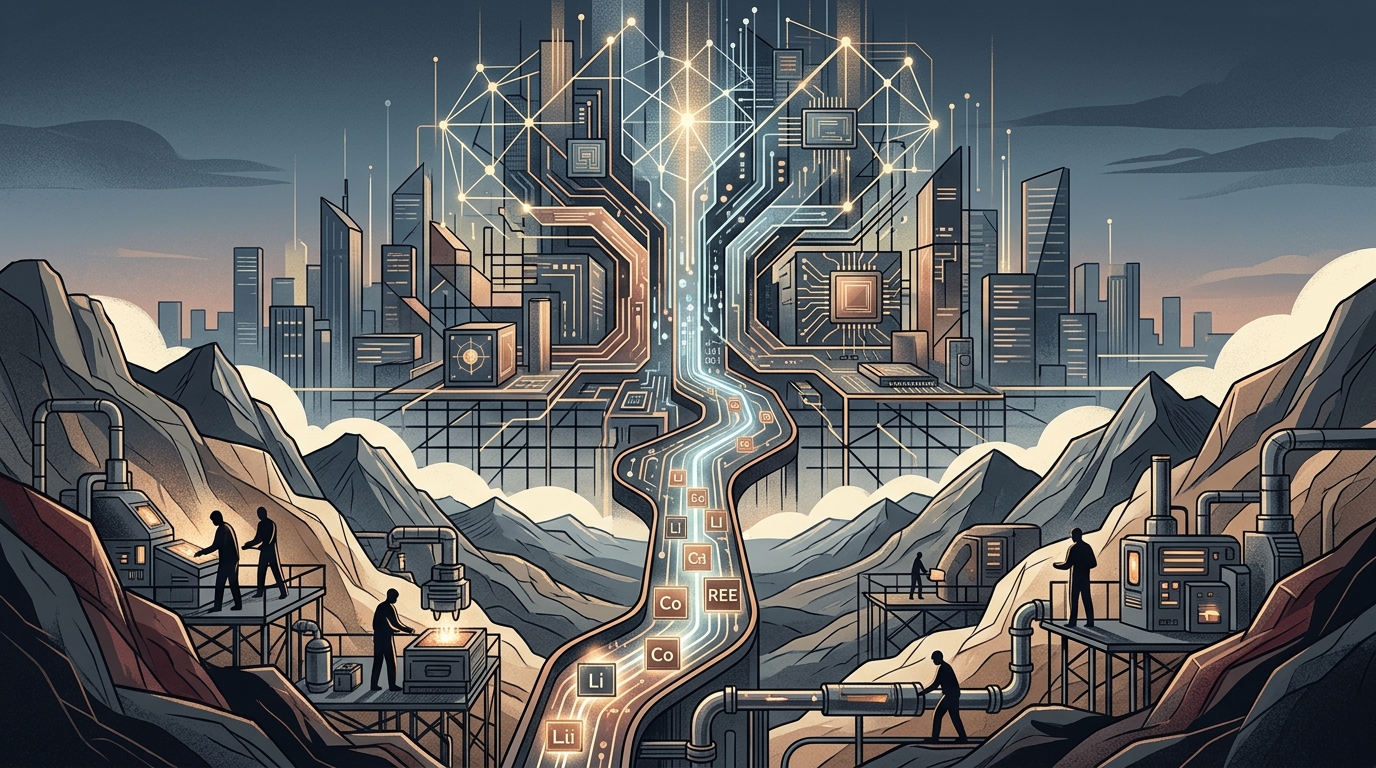
In the high-stakes race for what the U.S. administration is now branding as "Super Intelligence," market attention is increasingly shifting from software and Large Language Models (LLMs) toward the physical architecture required to sustain this technological leap. While AI is viewed as a catalyst for science, the engineering reality dictates that this progress is only as robust as the materials it is built upon.
METLEN and the Vertical Integration Model
METLEN’s strategic moves in the gallium sector provide a case study in vertical integration. Their industrial model rests on three pillars: in-house proprietary technology, secured raw materials via Aluminium of Greece, and industrial-scale capabilities aiming for an annual output of 50 metric tons (50MT). This architecture aims to create a globally competitive supply chain for Critical & Rare Metals (CRM).
Market validation is already evident through strategic de-risking. By securing a long-term commercial agreement with a leading Japanese chemical firm—pre-selling 16% of their future output well before the Q3 2027 launch—METLEN has demonstrated how industrial expertise can capture international demand. This is particularly relevant as hardware reality necessitates reliable sources for high-end computing materials.
Market Resilience and the Infrastructure Convergence
The broader Greek market context reveals a dichotomy in investor sentiment. While Alpha Bank has faced pressure with a 4% retreat in the last 30 days, it maintains a significant €10 billion market capitalization threshold. Meanwhile, METLEN is approaching the €50 price mark, signaling investor confidence in industrial infrastructure. This convergence of energy, computing, and material science is critical as the global economy funnels an estimated $30 trillion into AI infrastructure.
"The most successful innovations aren't just about the 'wings'—the flashy software—but about the 'wax' and 'feathers'—the rare metals and industrial processes that hold everything together."
As we move toward an era of "Super Intelligence Forces" and self-regulatory organizations (SROs), the companies controlling the foundations—gallium, energy, and industrial scale—are positioning themselves for long-term dominance. Without a stable supply of these materials, the flight toward the next AI frontier risks falling short of its economic promise.