The Restoration of Human Agency in Labor
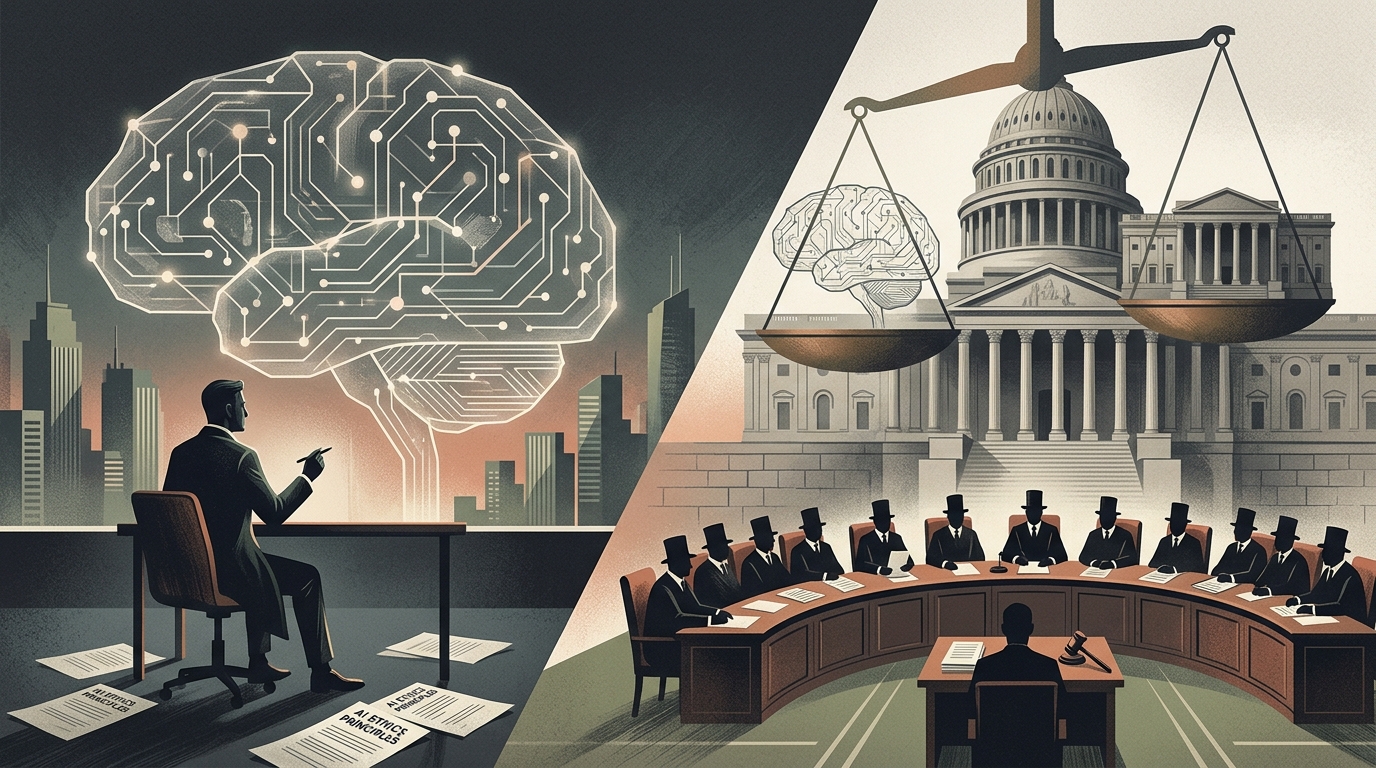
In the tradition of establishing clear boundaries to protect the citizenry from unchecked power, the Greek Ministry of Labor and Social Security has introduced a significant legislative initiative. Under the direction of Minister Niki Kerameus, the government is moving to integrate EU Directive 2024/2831, creating a framework for algorithmic management that prioritizes human dignity. This move represents a crucial institutional response to the rise of automated systems in the workplace, particularly for platform workers. By mandating human oversight for critical decisions, the draft law seeks to ensure that the ultimate responsibility for labor conditions remains a human prerogative, rather than an opaque mathematical function.
Institutional Safeguards and the Privacy of the Soul
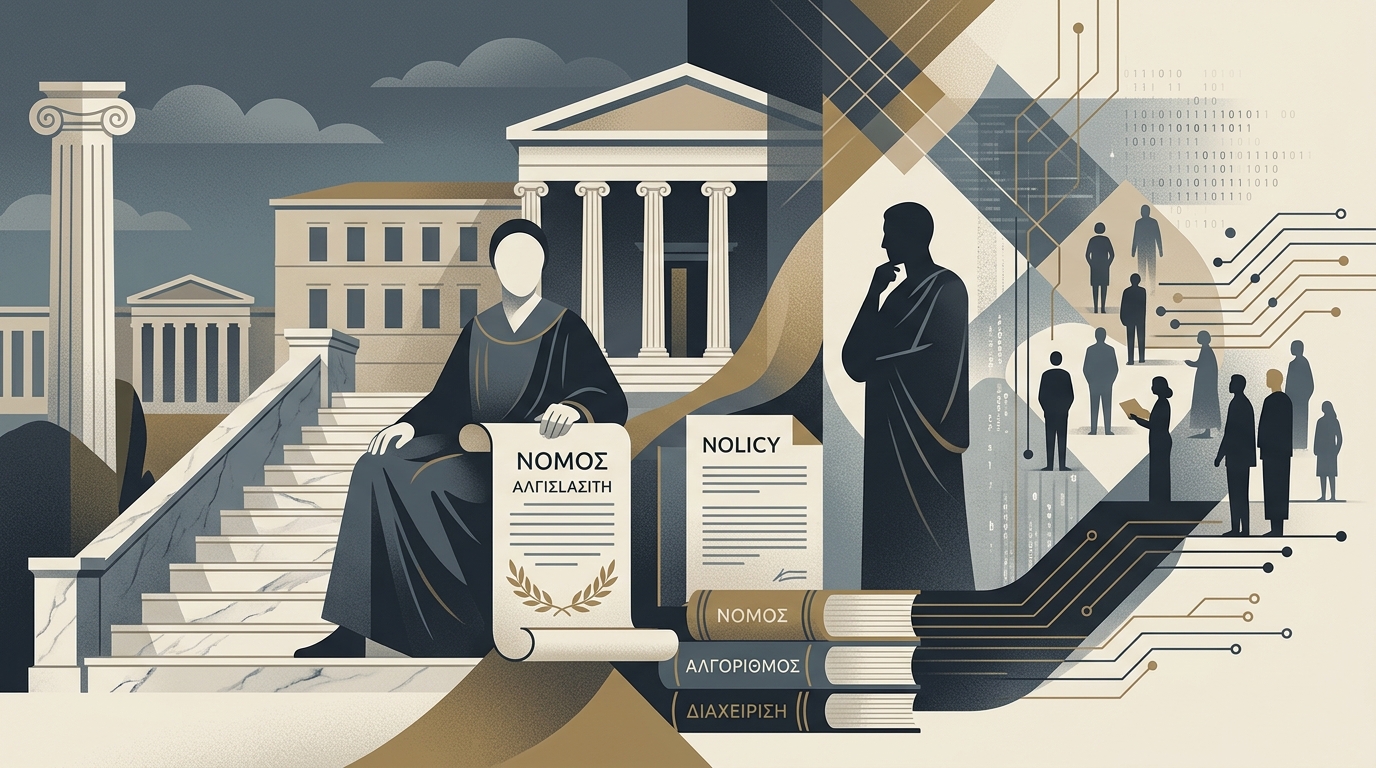
A central tenet of this proposed legislation is the explicit prohibition of collecting highly sensitive personal data. In a move that aligns with democratic values of privacy and autonomy, the framework forbids the processing of an employee’s emotional or psychological state, private conversations, and biometric or health-related information. Furthermore, the law introduces a requirement for impact assessments and mandatory transparency, forcing companies to disclose the logic behind the algorithms they employ. This approach mirrors the ancient concept of the 'Nomos'—a law that is visible, debatable, and subject to social dialogue. By involving national social partners in the finalization of these rules, the state acknowledges that the transition to an AI-driven economy must be grounded in a stable social contract, protecting the individual from the risks of fully automated, and potentially arbitrary, management.