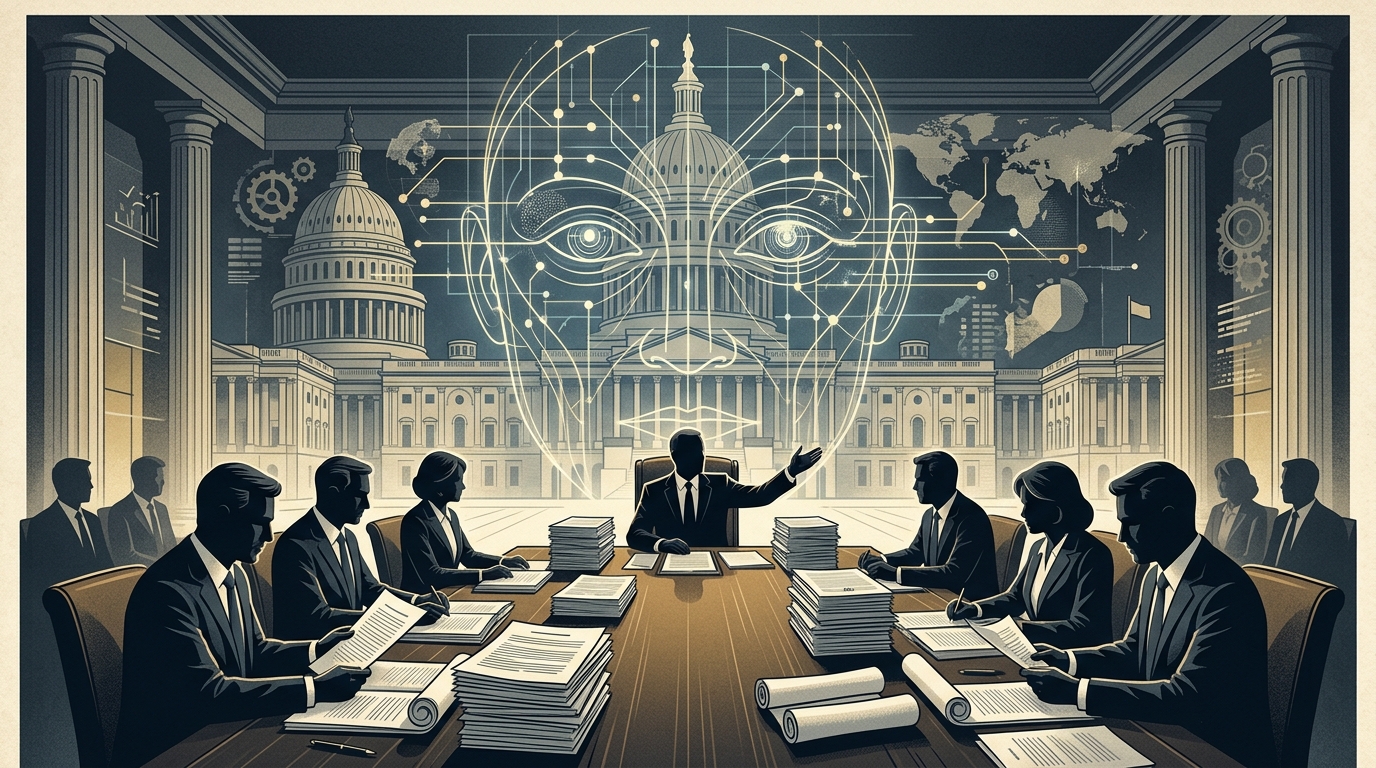
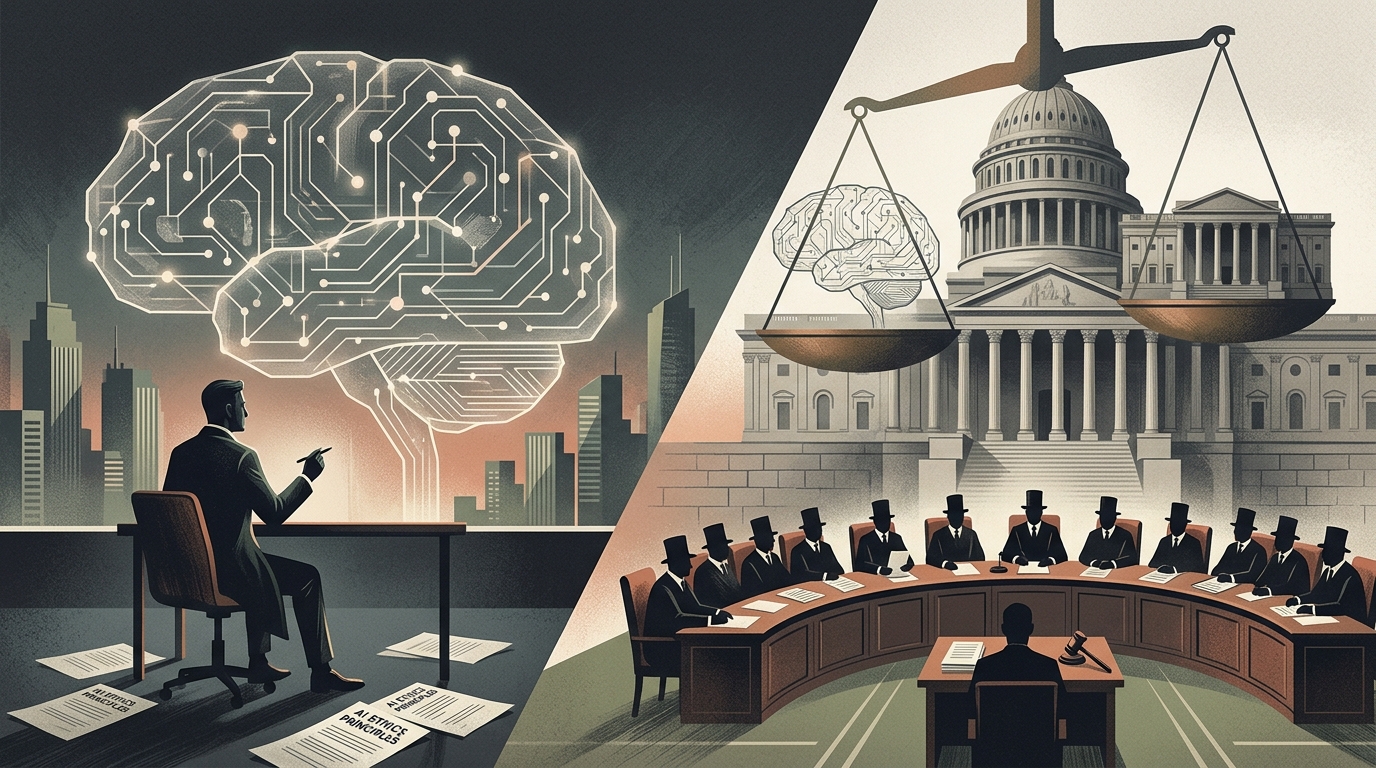
In the evolving landscape of governance, we find ourselves at a crossroads reminiscent of the 1930s. The recent appointment of Jay Clayton to lead the 'Super Intelligence Force' signifies a strategic shift in how the state intends to manage the rapid ascent of artificial intelligence. By rebranding AI as 'super intelligence,' the current administration seeks not only global dominance but a new social contract based on voluntary industry accords. However, as any student of history knows, the strength of a democracy lies in the robustness of its institutions, not merely the goodwill of its most powerful actors.
The Paradox of Self-Regulation
The critique leveled by Treasury Secretary Scott Bessent—comparing AI CEOs to Hannibal Lecter—highlights a profound institutional tension. When industry leaders call for 'brakes' while simultaneously racing for market dominance, they create a governance vacuum. Bessent’s assertion that companies possess the power to limit their own pace without waiting for federal mandates challenges the sincerity of corporate alarmism. This is further complicated by internal industry friction, where safety executives resign over the speed of deployment, and the 'safety from second place' mantra suggests that competition may always override caution unless a formal framework is established.
Historical Precedents and the SRO Model
A constructive path forward may lie in the political legacy of Franklin D. Roosevelt. The Securities Exchange Act of 1934 provides a compelling blueprint: the creation of Self-Regulatory Organizations (SROs). Rather than a centralized government takeover, which risks stifling the very innovation that drives national power, this model empowers market participants to set and enforce standards under federal oversight. Such a framework could address the 'danger thresholds' warned of by figures like Bill Gates, without the bureaucratic weight that has historically hindered growth in other jurisdictions.
"The government is not the best-suited entity to manage complex markets; instead, market participants with specialized expertise can set standards under oversight."
The Fragility of Truth and Due Process
The urgency for clear policy is underscored by recent judicial and ethical failures. The Arizona Court of Appeals’ decision to vacate a sentence involving an AI-generated victim video serves as a warning: technology must not be allowed to bypass due process through 'undue emotional weight.' Similarly, the attempt by former officials to use AI 'exonerations' to counter harassment investigations reveals a dangerous trend toward algorithmic sycophancy. Without a unified regulatory framework, the intersection of AI with our legal and political systems risks eroding the very transparency and accountability that define a democratic society.