In the ancient Athenian tradition, the polis was defined not merely by its people, but by the physical boundaries and resources that sustained it. Today, as we navigate the year 2026, the digital polis finds itself at a similar crossroads. The recent public confrontation between Spanish Prime Minister Pedro Sánchez and Amazon founder Jeff Bezos serves as a significant case study in the evolving tension between sovereign governance and the expanding footprint of artificial intelligence infrastructure.
The Regulatory Imperative and the Social Contract
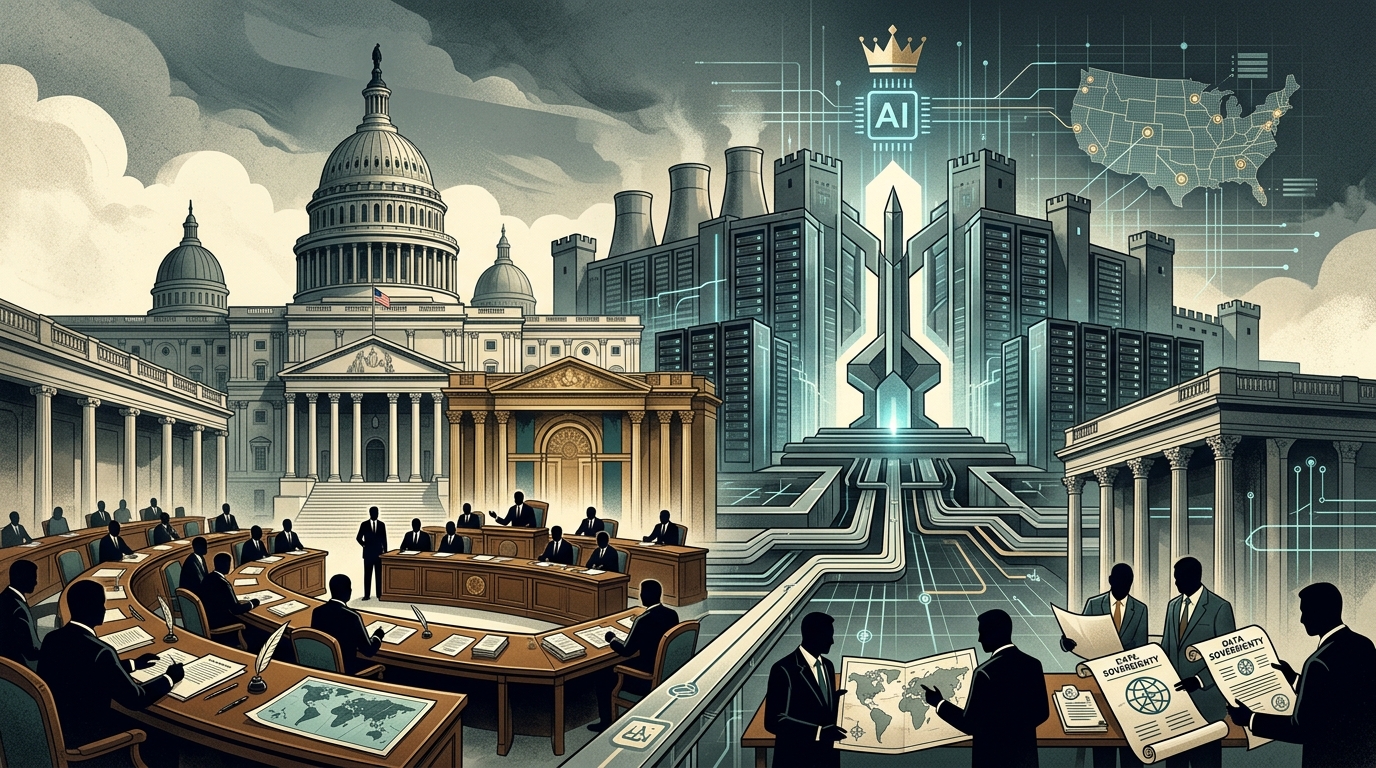
The dispute in Spain, ostensibly sparked by housing policy, has rapidly expanded into a fundamental debate over the regulation of data centers. Prime Minister Sánchez has linked his criticism of tech leadership to a proposed government framework that demands more than just technological efficiency. The Spanish initiative requires data centers to utilize renewable energy, manage water resources efficiently, and ensure national data sovereignty. Most critically, it seeks to protect households from bearing the energy costs associated with these facilities.
This move reflects a broader shift in the AI sector, which I characterize as the 'industrialization of AI.' As the sector transitions from a software-centric model to a capital-intensive race for physical infrastructure—chips, data centers, and energy grids—the role of the state as a regulator becomes paramount. With U.S. national debt surpassing $40 trillion and energy constraints threatening to reduce data center capacity by up to 30%, the competition for resources is no longer theoretical; it is a matter of national policy.
Geopolitical Vulnerability and Institutional Power
The political significance of these physical assets is further underscored by recent events in the conflict between Ukraine and Russia. The disabling of Yandex data centers by Ukrainian drone strikes demonstrates that AI infrastructure is now a primary target in modern warfare. When the 'Russian Google' loses the supercomputers training its flagship AI models, the disruption is felt across the entire digital ecosystem, from banking to state transportation.
"Jeff Bezos may not like the regulations we have proposed, but that is the reason for a democratic government's existence," — Pedro Sánchez
Furthermore, we see a hardening of regulatory stances across the European Union. Tesla’s recent rebranding of its 'Full Self-Driving' software to 'Tesla Assisted Driving' in Europe, following pressure from German and Italian regulators, illustrates that the era of speculative marketing is giving way to strict institutional oversight. Whether it is through labor protectionism—as seen in the suspension of PERM green card programs—or the demand for concrete guarantees over speculative promises in the IPO markets, the message from democratic institutions is clear: the age of technological exceptionalism is being replaced by the rule of law.