
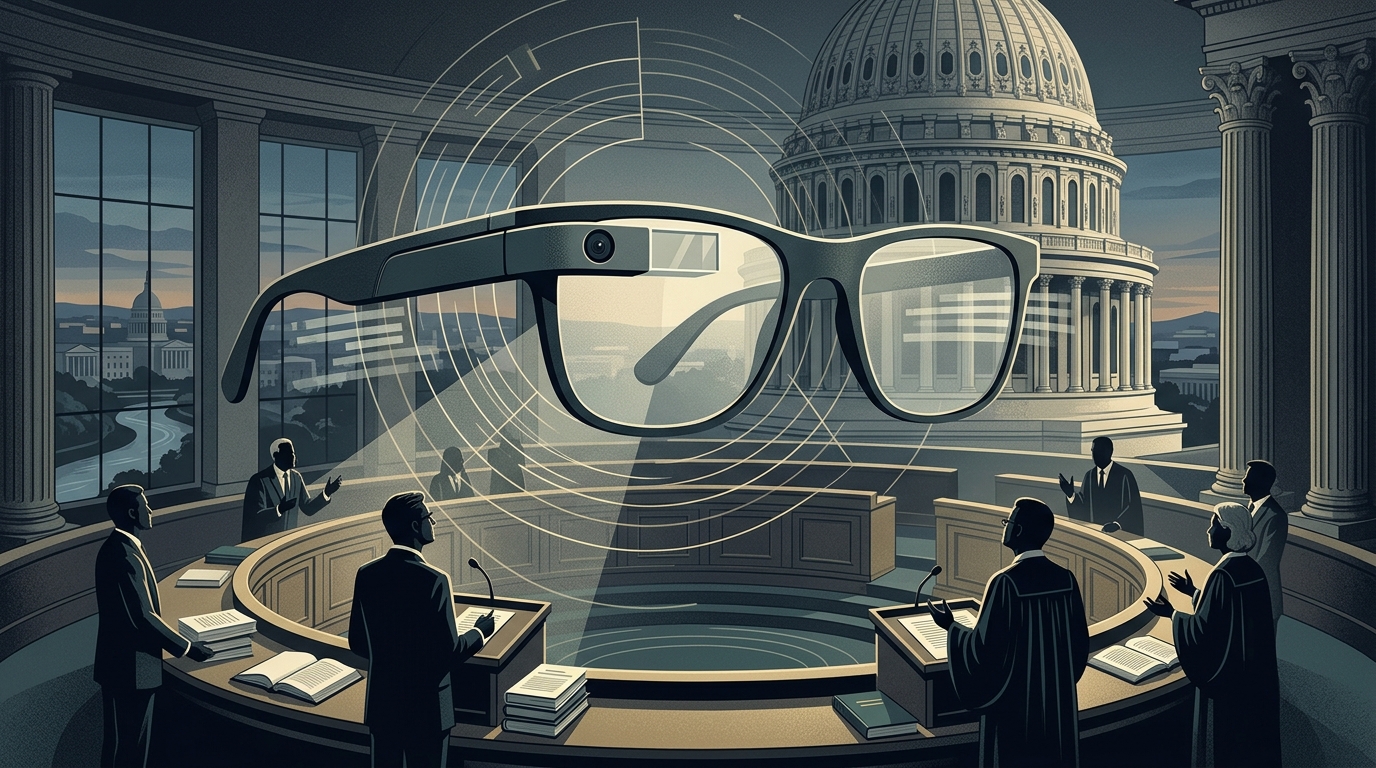
In the evolution of democratic governance, the protection of the private sphere has long been a cornerstone of civil liberty. However, the emergence of smart glasses—specifically the Meta Glasses by Ray-Ban—presents a profound challenge to the traditional boundaries of public and private life. In Germany, a nation with a rigorous historical commitment to data protection, the debate has moved beyond mere ethical concern toward a potential total ban on these devices.
The Erosion of Public Anonymity
The core of the policy debate lies in the 'invisible' nature of recording. While manufacturers have implemented small LED indicators to signal when a device is active, legal experts and data protection commissioners argue these measures are insufficient. A notable incident in Hamburg, where a private conversation was recorded and uploaded to TikTok without consent, illustrates the ease with which these tools can facilitate digital violence. From a governance perspective, the concern is that such technology requires almost no technical expertise to weaponize, thereby accelerating the potential for privacy violations in everyday interactions.
Institutional Responses and the 'Right to One's Image'
The institutional reaction in Europe reflects a strict adherence to the principle that every individual possesses a right to their own image. The German Ministry of Justice is currently presenting a draft law to criminalize privacy violations via photographic recordings, while the Hamburg Data Protection Commissioner has warned that these devices may be classified as 'prohibited telecommunications devices.' Such a classification would make the possession, manufacture, or sale of the glasses a criminal offense. Furthermore, the Irish Data Protection Commission is considering a ban on Meta’s use of AI functions within the EU, signaling a coordinated regulatory effort to preserve the sanctity of the private moment against the encroachment of unconsented surveillance.