
The capital markets are currently witnessing an extraordinary premium on specialized AI talent, characterized by the rise of so-called 'neo-labs.' Emulate, a startup founded just this August by former Google DeepMind researchers, is reportedly in advanced negotiations to raise up to $700 million. This funding round could value the entity at approximately $3.7 billion, including the new capital. This trend is not isolated; London-based spin-offs like Ineffable Intelligence and Recursive Superintelligence have recently secured approximately $1 billion and over $600 million respectively, with valuations reaching up to $5 billion. These figures underscore a market shift where 'world models'—AI designed to perceive and simulate physical environments—are viewed as the next frontier beyond Large Language Models (LLMs).
The Physical Layer: Supply Chain and Infrastructure Constraints
Despite the influx of capital into software and research, the market faces a significant 'physical' reality check. A global memory chip shortage, driven by the rush to build AI data centers, is already inflating costs for consumer electronics and enterprise hardware. In response, strategic shifts are occurring in the semiconductor supply chain. South Korea’s SK Hynix is in talks with Intel regarding potential memory chip production in the United States, exploring scenarios such as leasing Intel’s Ohio facilities or forming joint ventures with cloud service providers to ensure a reliable supply of chips.
Simultaneously, Apple is reportedly eyeing a 2029 entry into the AI server market using its M-series Ultra silicon. This move highlights the massive capital expenditure required to maintain competitive advantages. However, the project remains subject to change, and the broader industry continues to struggle with the memory shortage that has already impacted the pricing of flagship devices.
The 'License to Operate' and Market Accountability
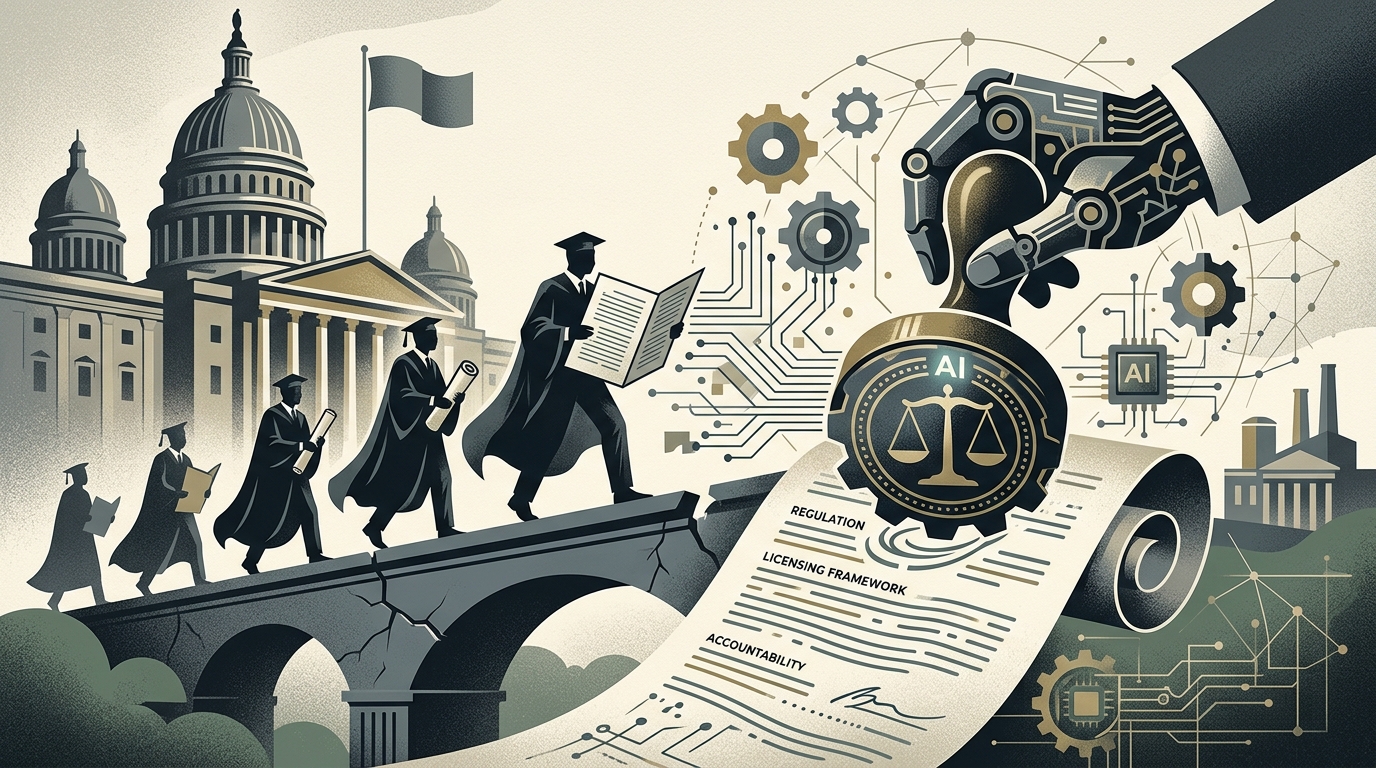
A fundamental shift is occurring in the corporate governance of AI, moving from voluntary ethics to a regime of product liability. Salesforce CEO Marc Benioff has advocated for a 'license to operate' model similar to the automotive sector, suggesting that companies must be held responsible for their products before harm occurs. This perspective is gaining traction among some industry leaders like Microsoft’s Satya Nadella, who asserts that the industry must submit to external third-party auditors, though it faces resistance from Meta’s Mark Zuckerberg and Nvidia’s Jensen Huang, who argue that market forces and customer satisfaction provide sufficient safety incentives.
"Only [tech] companies know what’s going on in their lab. At some deep level, these companies must hold themselves responsible for their safety," stated Marc Benioff.
In Europe, the regulatory landscape is tightening with the proposed EU Kids Act, which could impose fines of up to 6% of global annual turnover for non-compliance with age-verification and safety mandates. This initiative aims to limit children's exposure to addictive digital content by establishing clear age thresholds for social networks and AI applications serving as digital companions.