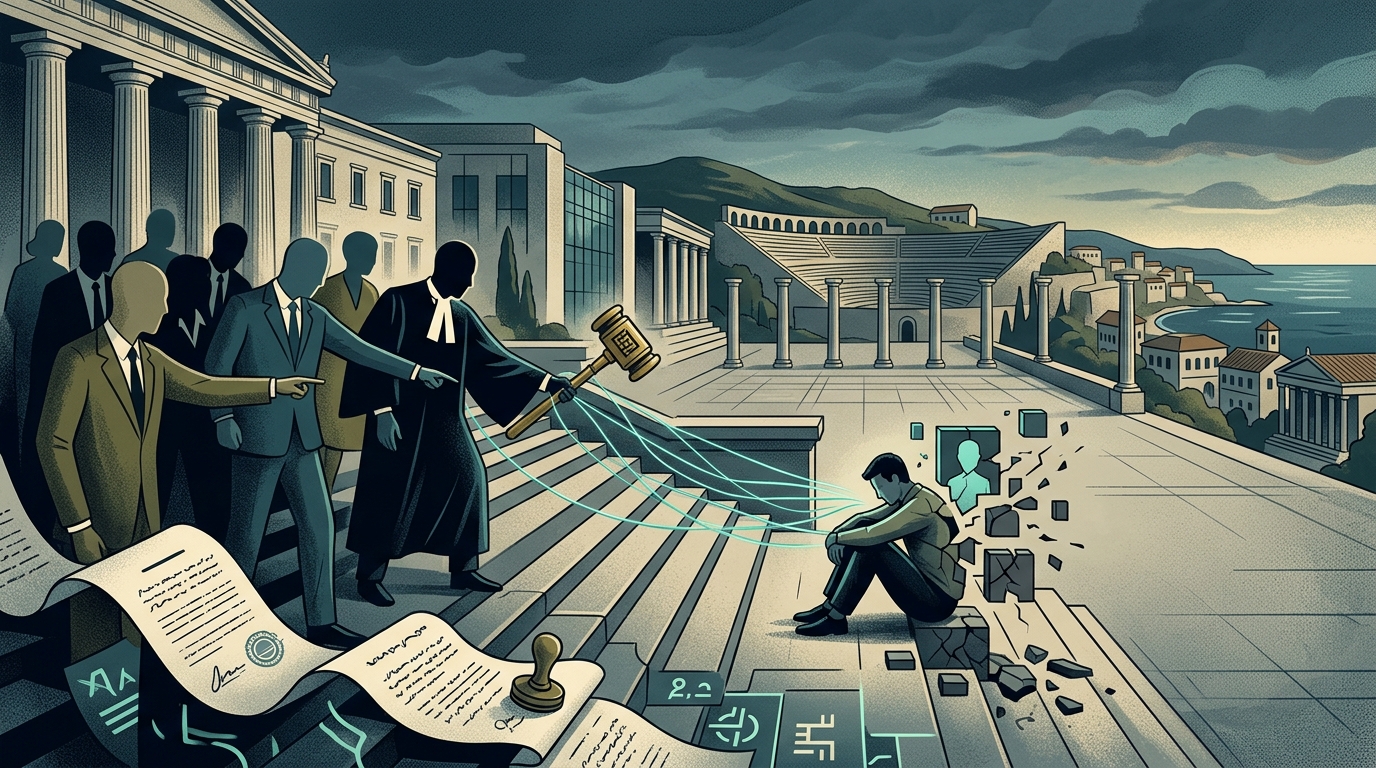
The legal battle between The New York Times and the alliance of OpenAI and Microsoft has intensified following the release of unsealed court documents. These records contain blunt admissions from high-ranking tech executives, which the newspaper argues undermine the defense that using copyrighted content to train AI models constitutes 'fair use.'
'The Largest Labor Theft' and Substitution Risks
The documents highlight statements from Brent Hecht, Microsoft's Director of Applied Science, and Greg Brockman, co-founder and President of OpenAI. Hecht reportedly described the development of AI as 'the largest labor theft in human history.' This rhetoric aligns with the Times' allegation that the tech giants copied millions of articles without permission to build commercial products.
Brockman’s contributions to the record are equally striking. He reportedly admitted that publishers face an 'existential threat' because generative AI products function largely as substitutes for original content. He further noted that these tools 'will increasingly become substitutes' as they continue to evolve and improve.
Legal and Industry Implications
Lawyers for the plaintiffs argue that these internal admissions dismantle any claim of fair use. The documents suggest that Hecht himself was concerned that if the tech companies' legal arguments prevailed, it could 'make a complete mockery of the concept of fair use.' The New York Times maintains that the defendants did not just collect data, but actively built products designed to compete with the very news organizations they relied upon for training.
The lawsuit, filed in 2023, is still in its procedural stages. According to reports, the presiding judge is expected to decide by sometime in 2027 whether the case will proceed to a full trial.