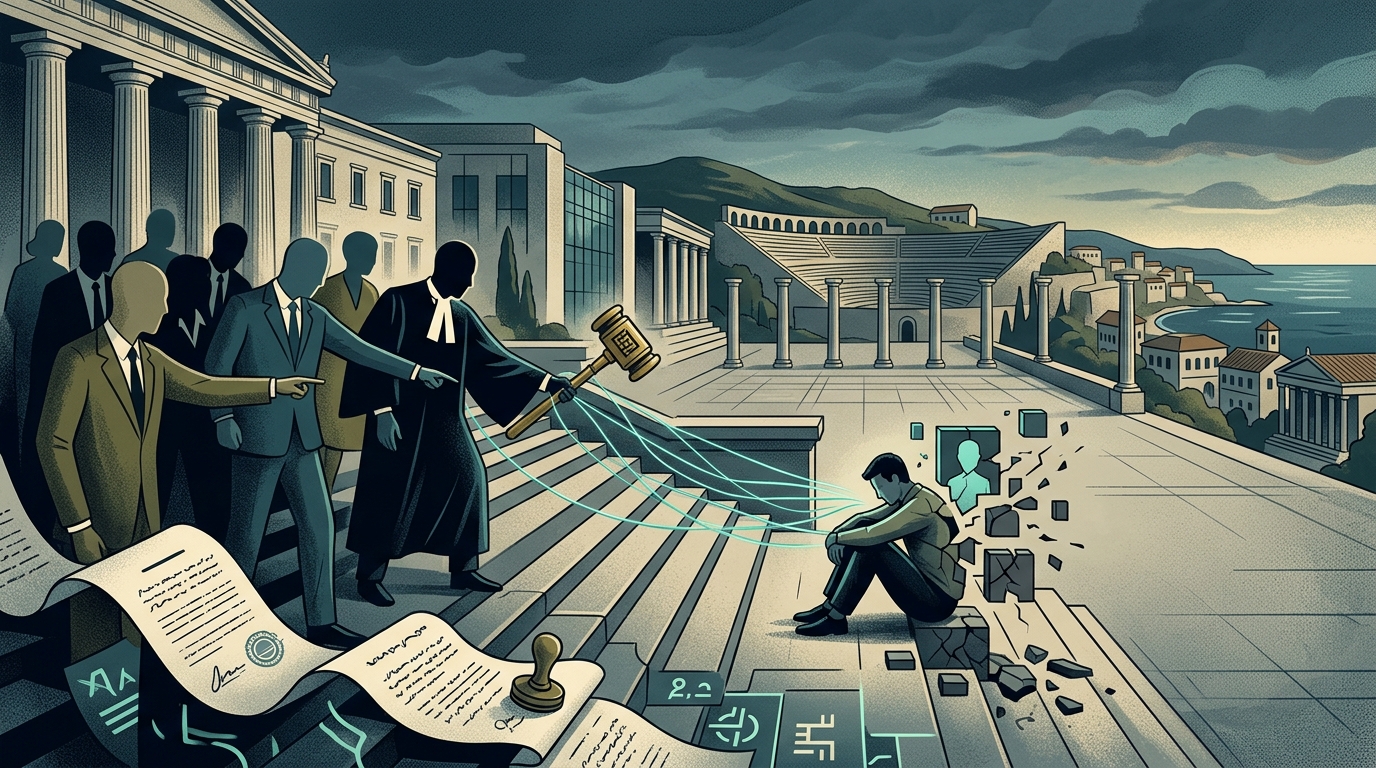
In ancient Athens, the practice of ostracism was a formal mechanism to protect the city-state from tyranny. Today, we are witnessing a modern, distorted mirror of this practice: 'digital ostracism.' The recent events surrounding the 'Flamingo Revolution' in Albania demonstrate how the automated governance structures of global platforms like Meta can be weaponized by coordinated actors to silence political opposition under the guise of legal compliance.
The Loophole of Automated Compliance
The suspension of numerous Instagram accounts documenting protests against the Tirana government reveals a critical vulnerability in the Digital Millennium Copyright Act (DMCA). The 'notice-and-takedown' system, designed for the protection of intellectual property, often leads to over-compliance by platforms. In my analysis, this creates a 'brittle governance' framework where malicious actors can exploit automated systems through false ownership claims. The case of protester Arjan Koçi, who was reportedly targeted by a paid actor seeking cryptocurrency to withdraw false claims, underscores how easily these tools can be detached from their original purpose.
"The evidence strongly indicates coordinated activity aimed at a specific civic movement." — Martha Dimitratou, Repro Uncensored
The Digital Services Act as a Democratic Shield
The intervention of more than 30 Members of the European Parliament signals a shift toward institutionalizing digital accountability. By urging the European Commission to investigate Meta’s conduct under the Digital Services Act (DSA), European lawmakers are asserting that platform algorithms are not exempt from democratic oversight. This aligns with a broader industry movement toward 'product liability'—a model where platforms must be held responsible for the political externalities of their automated decisions.
Toward a Foundation of Verifiable Governance
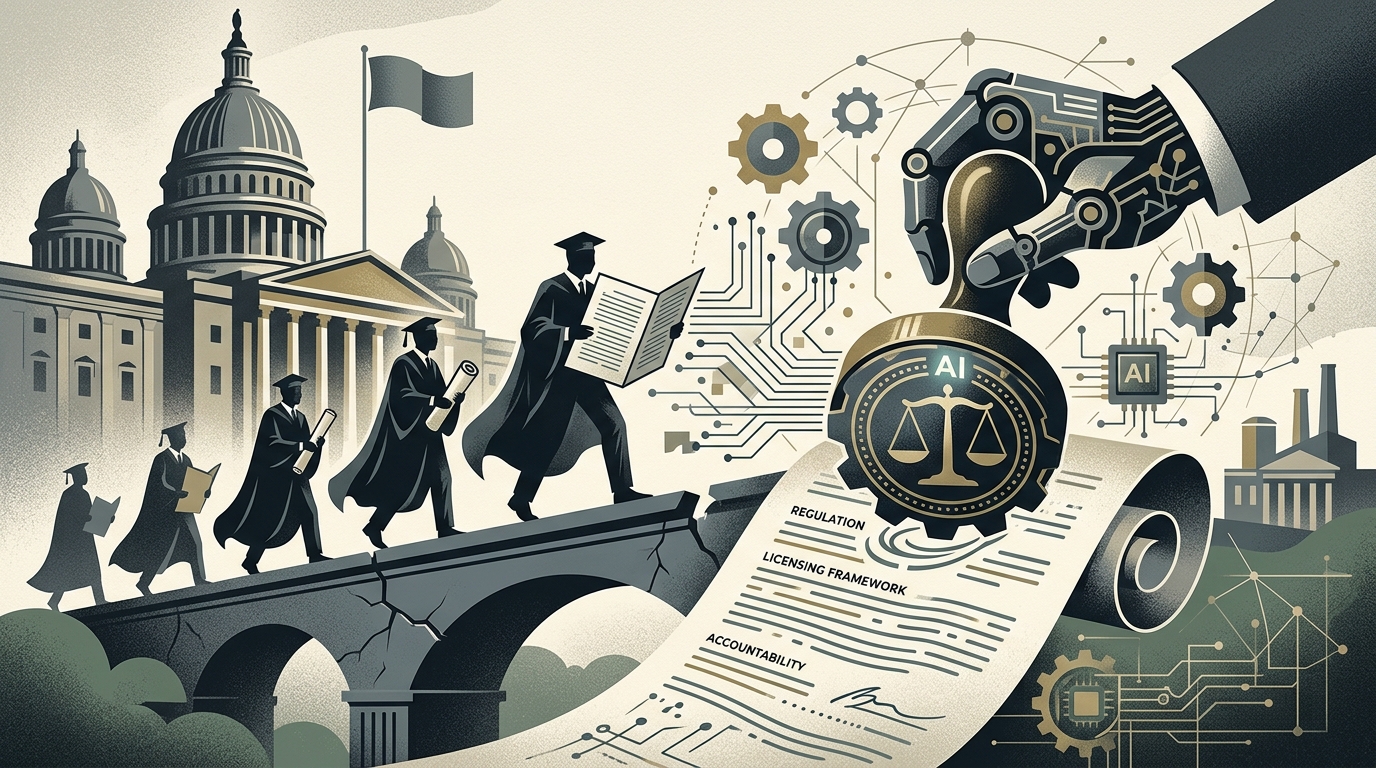
The Albanian case is not an isolated incident but a symptom of a larger architectural failure in AI and platform management. As we move toward more complex 'agentic' systems, the industry is discussing the need for a Foundation Model Operating System (FMOS) and protocols like PAC-2026. These frameworks aim to replace voluntary ethical guidelines with 'atomic transitions' and 'Semantic Freeze'—technical locks that ensure a system only acts when its claims are verified. Until such rigorous standards are applied to content moderation, the digital public square remains vulnerable to those who would use the machinery of law to dismantle the spirit of democracy.