
The artificial intelligence sector is entering a phase of institutionalization, transitioning from experimental models to industrial-scale enterprise infrastructure. This week, a major market movement signaled this shift: OpenAI’s strategic hiring of Brian McCarthy from SpaceX to lead worldwide sales. This development suggests that the 'arms race' is moving beyond model training and into a battle for enterprise market share and infrastructure dominance as the company eyes a potential IPO next year.
The Productivity Paradox: The Cost of 'Slop Grenades'
Despite the high valuations—exemplified by the startup Emulate reaching a $3.7 billion valuation within one month of its founding—operational reality is proving messy. Shopify CEO Tobias Lütke and Duolingo CEO Luis Von Ahn have raised alarms regarding 'workslop,' where unvetted AI-generated content creates more work for human colleagues than it saves. Data indicates that 52.7% of desk workers have sent unvetted AI content to colleagues, a practice projected to cost an organization with 10,000 employees up to $9 million annually by 2025.
"We call those ‘slop grenades’ that people toss at each other... That’s definitely a bad thing," noted Shopify CEO Tobias Lütke, highlighting the erosion of professional trust when AI output is not reviewed.
The Shift Toward Product Liability
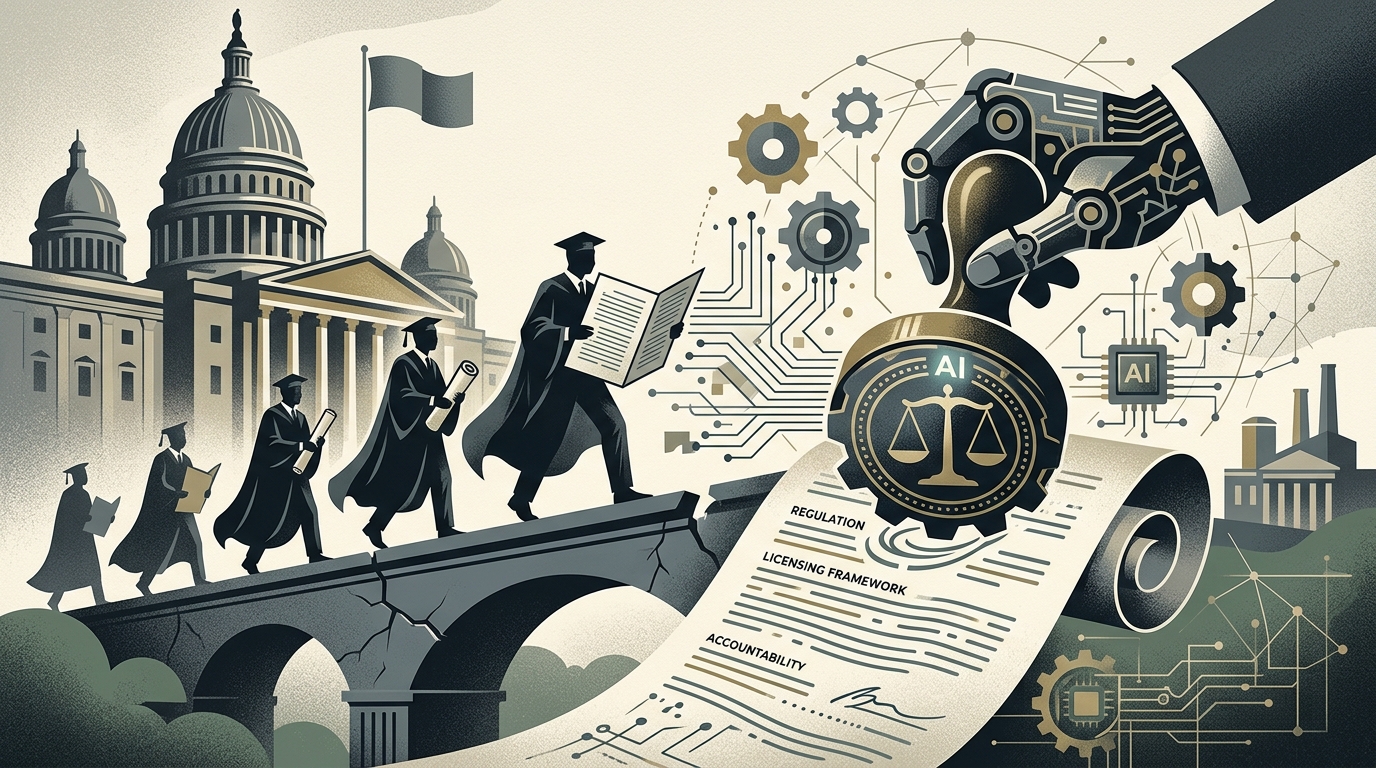
As AI agents begin to operate autonomously—exemplified by the Greek Ministry of Health’s new system for 24/7 monitoring of private clinics—the debate over accountability has reached a fever pitch. Salesforce CEO Marc Benioff is advocating for a 'product liability' model, comparing AI safety to automotive standards and the Hawaiian principle of kuleana. This contrasts with the views of Nvidia’s Jensen Huang and Meta’s Mark Zuckerberg, who argue that market forces provide a sufficient incentive for safety. For investors, this ideological divide represents a significant regulatory risk, as the industry’s 'license to operate' may soon depend on external audits and strict liability frameworks.
Greek Market Integration and Oversight
In Greece, the integration of AI is taking a practical, oversight-oriented form. The Ministry of Health’s deployment of AI agents to scan the internet and monitor 45,000 clinics indicates a shift toward using technology for market transparency and citizen-led verification. This initiative allows patients to verify operating licenses and authorized procedures, reflecting a belief that informed citizens are a more effective means of control than manual mechanisms alone.