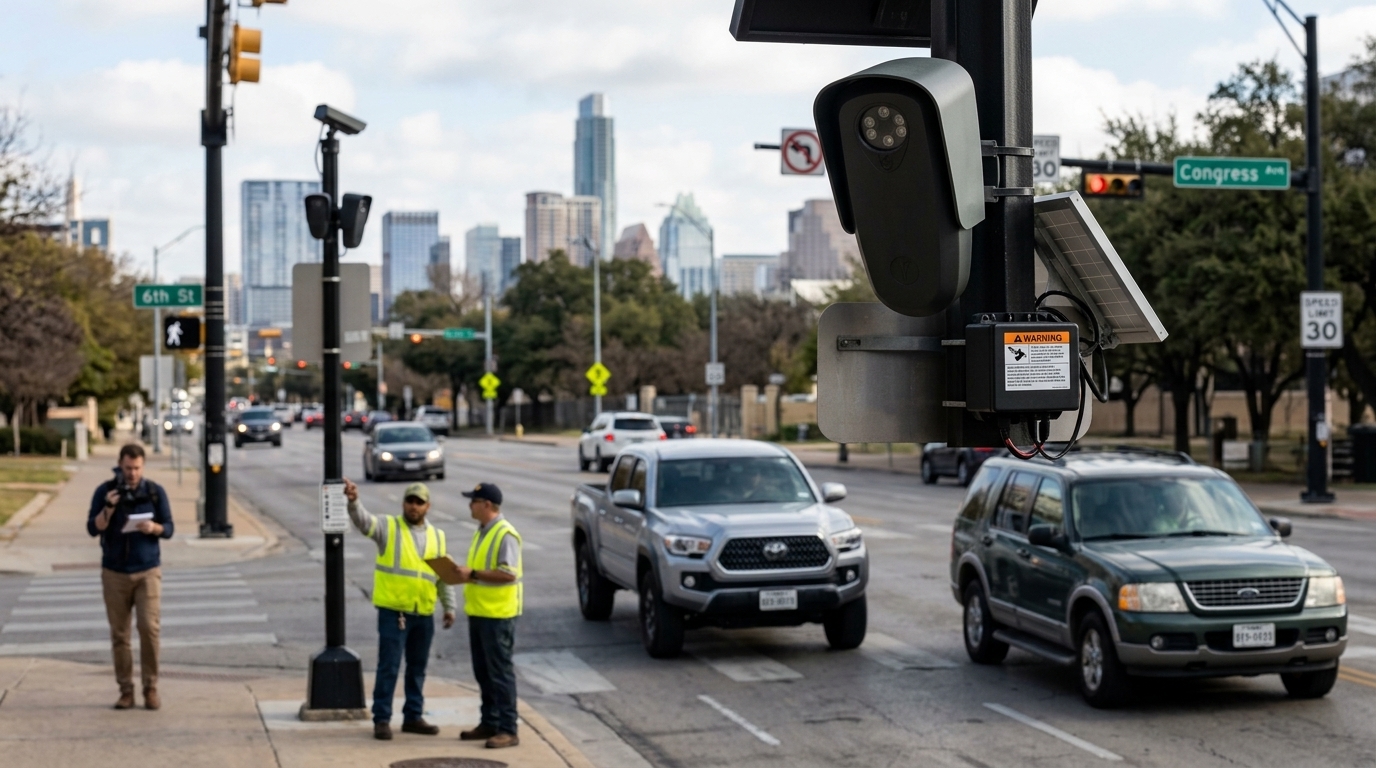
In a move described as an attempt to stifle transparency, officials in North Richland Hills, a Fort Worth suburb, requested $2.3 million from the Texas Privacy Coalition to fulfill a public records request. The request sought data regarding the use of Flock Safety’s AI-enabled automated license plate reader (ALPR) cameras.
The Astronomical Price of Oversight
To justify the fee, city officials claimed that searching through "about a terabyte worth of communications about errors, misuse, and effectiveness of the Flock system" would require approximately 14 years of labor at a rate of $15 per hour. Phil Mynona, filing on behalf of the Texas Privacy Coalition, called the fee "ludicrous." He noted that while some cities provide hundreds of thousands of documents for free, others have quoted fees ranging from $5,000 to $121,000.
Proven Misuse and Executive Action
The push for transparency follows high-profile cases of police misconduct. Recently, former Texas officer Zachary Anthony Klein pleaded guilty to 100 felony counts of misuse of official information after using Flock cameras to stalk individuals. This case prompted Texas Governor Greg Abbott to halt Flock funding and stop issuing permits for the technology across the state.
A Constitutional Challenge in Oklahoma
Beyond administrative hurdles, Flock is facing significant legal setbacks. Last week, Federal Judge Sara Hill in Oklahoma ruled that a police search of a Flock database was unconstitutional. Hill argued that Flock’s network constitutes "a type of indiscriminate mass surveillance" and a "large-scale, dragnet-type surveillance system" that should require a warrant to search.
AI and the Future of Surveillance
While Flock offers optional "transparency portals" for law enforcement, adoption remains low. In Texas, only 59 of the hundreds of agencies using the technology have implemented these portals, and only 16 actually share data with the public. Legal experts like Michael Soyfer warn that AI integration may soon automate alerts for "suspicious patterns of movement," potentially increasing the risk of wrongful arrests and warrantless monitoring of daily travel.