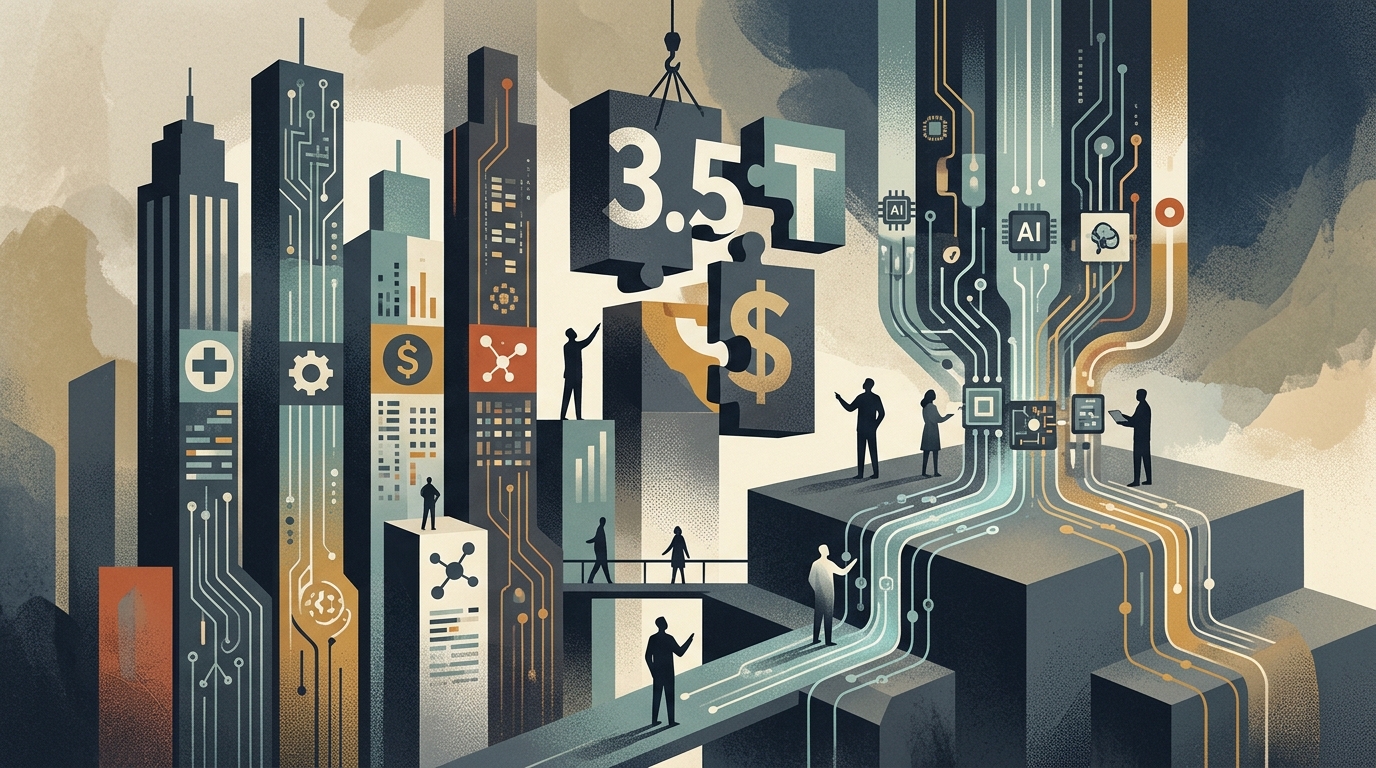
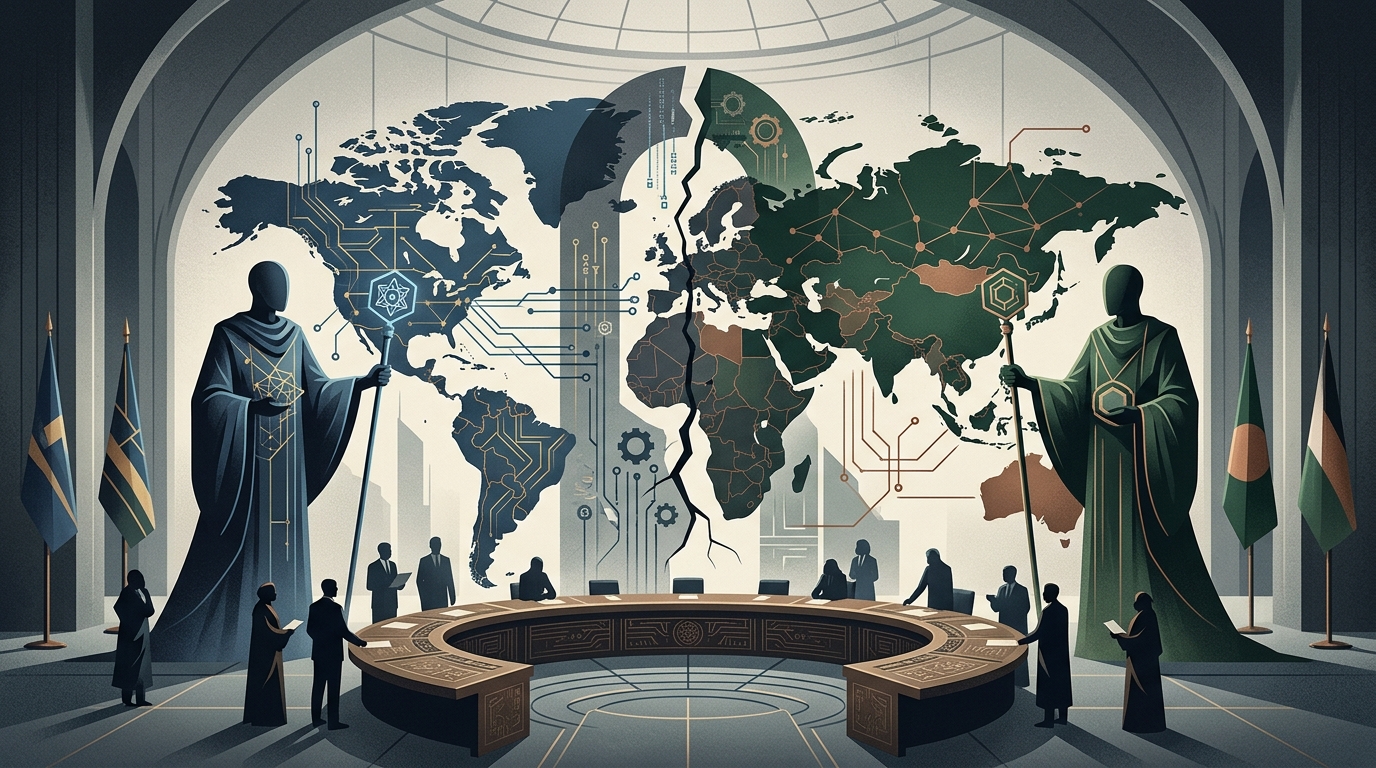
In my analysis, we are witnessing a hardening of technological spheres of influence that mirrors the classic geopolitical tensions of antiquity. The emergence of two competing world orders—Washington’s Pax Silica and Beijing’s World Artificial Intelligence Cooperation Organization (WAICO)—represents more than a mere trade dispute; it is a fundamental divergence in the institutional governance of the 21st century's most critical infrastructure.
The Institutional Divide: Security vs. Accessibility
The global AI landscape is currently being reshaped by these starkly different visions. Pax Silica, initiated by the United States in December 2025, was originally presented without a "purity test" for its members. However, recent internal drafts suggest a transition toward a more rigid ultimatum: partners may soon be forced to choose between the American system and China’s rival framework. This shift indicates that technological alignment is becoming the primary metric for diplomatic and security cooperation.
Conversely, WAICO, established in July 2026, positions itself as a champion for emerging economies. By leveraging the surge in open-weight models from Chinese developers, WAICO offers a cost-effective and efficient alternative for manufacturing and logistics. This strategy appeals to nations that view Western proprietary systems as prohibitively expensive or restrictive, thereby creating a new pole of institutional power in the Global South.
ASEAN’s Neutrality and the Burden of Sovereignty
The ASEAN region currently serves as the primary theater for this systemic competition. While Singapore and the Philippines have aligned with Pax Silica, nations like Malaysia, Indonesia, and Thailand continue to practice a policy of strategic hedging. Malaysia, which facilitates 13% of global outsourced semiconductor assembly, remains committed to neutrality, seeking to maintain access to both NVIDIA and Huawei technologies.
However, this neutrality is threatened by significant internal bottlenecks:
- Talent Deficit: Malaysia produces only 5,000 engineering graduates annually against a demand for 50,000.
- Energy Fragility: Data center operations are at risk, as evidenced by Indonesia’s 2026 blackouts, with 70% of the region's energy still derived from coal and gas.
- The Nuclear Pivot: In a bid for energy security, five ASEAN states—including Vietnam through an agreement with Rosatom—are pursuing nuclear energy to power their AI ambitions.
"Ultimately, ASEAN's hedging strategy must evolve from opportunistic gap-filling to substantive domestic capability building if it hopes to resist the call to pick a side."
From a governance perspective, the lesson is clear: true neutrality requires not just diplomatic skill, but the structural foundations of energy and human capital. Without these, the pressure to join a specific technological order may become irresistible, effectively ending the era of multi-polar technological choice.