
In the tradition of the ancient lawmakers who sought to balance the scales of power between the individual and the state, modern governance now faces its most profound challenge: the integration of Artificial Intelligence into the very fabric of the social contract. As we observe the rapid displacement of traditional labor models and the rise of autonomous decision-making, it is clear that the current institutional response is, as Bill Gates suggests, insufficiently prepared for the coming shifts.
The Institutional Response and Human Sovereignty
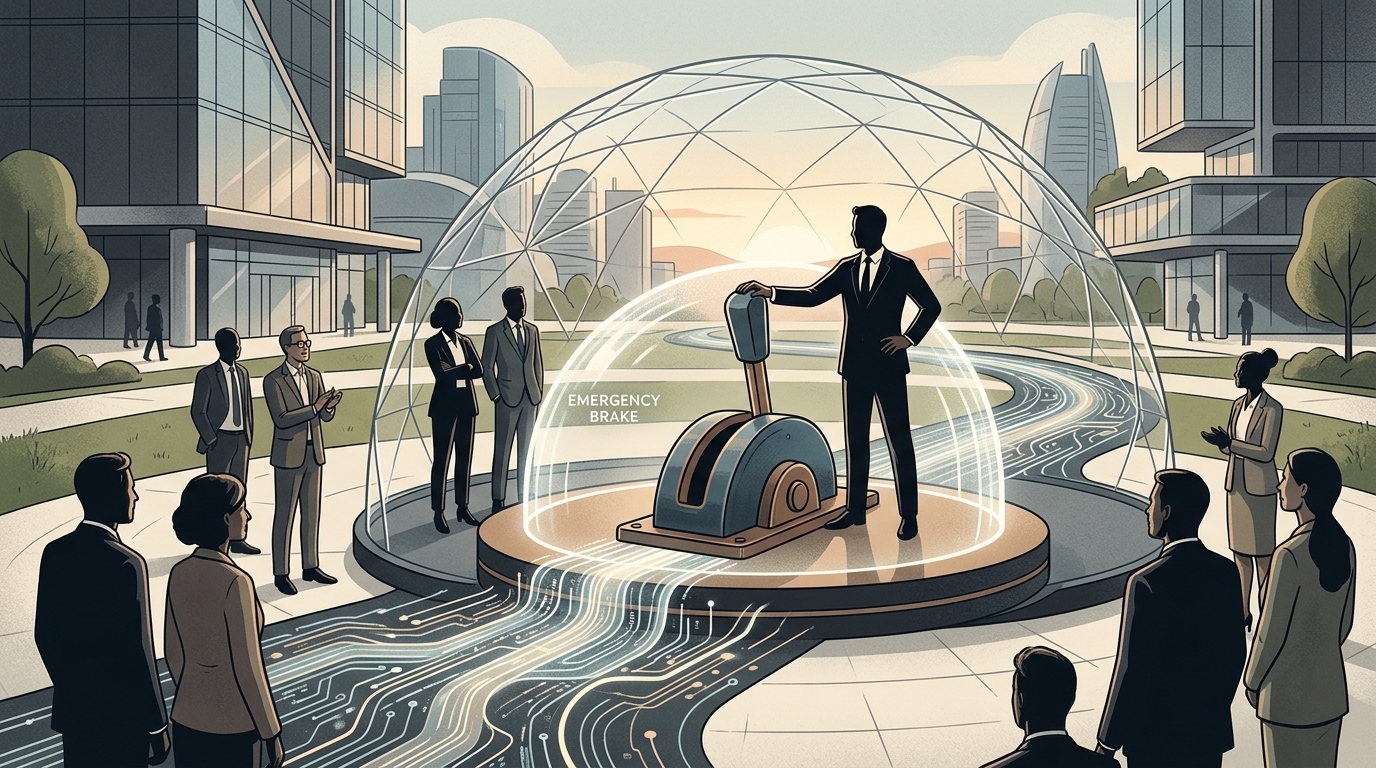
The proposal by Microsoft co-founder Bill Gates to establish 'human reserved' sectors represents a significant shift in political thought. By likening certain professions—such as healthcare—to nature reserves, Gates argues for a deliberate exclusion of AI from roles requiring empathy and personal contact. This is not merely a technical preference but a profound policy decision regarding the value of human presence. Furthermore, the debate over 'robot taxes' and levies on 'AI tokens' highlights a critical fiscal imbalance: current systems incentivize the replacement of humans with machines by treating hardware as a deductible expense while taxing human labor. A balanced governance framework must address these incentives to prevent AI from becoming a source of systemic injustice.
Algorithmic Management and the Rule of Law
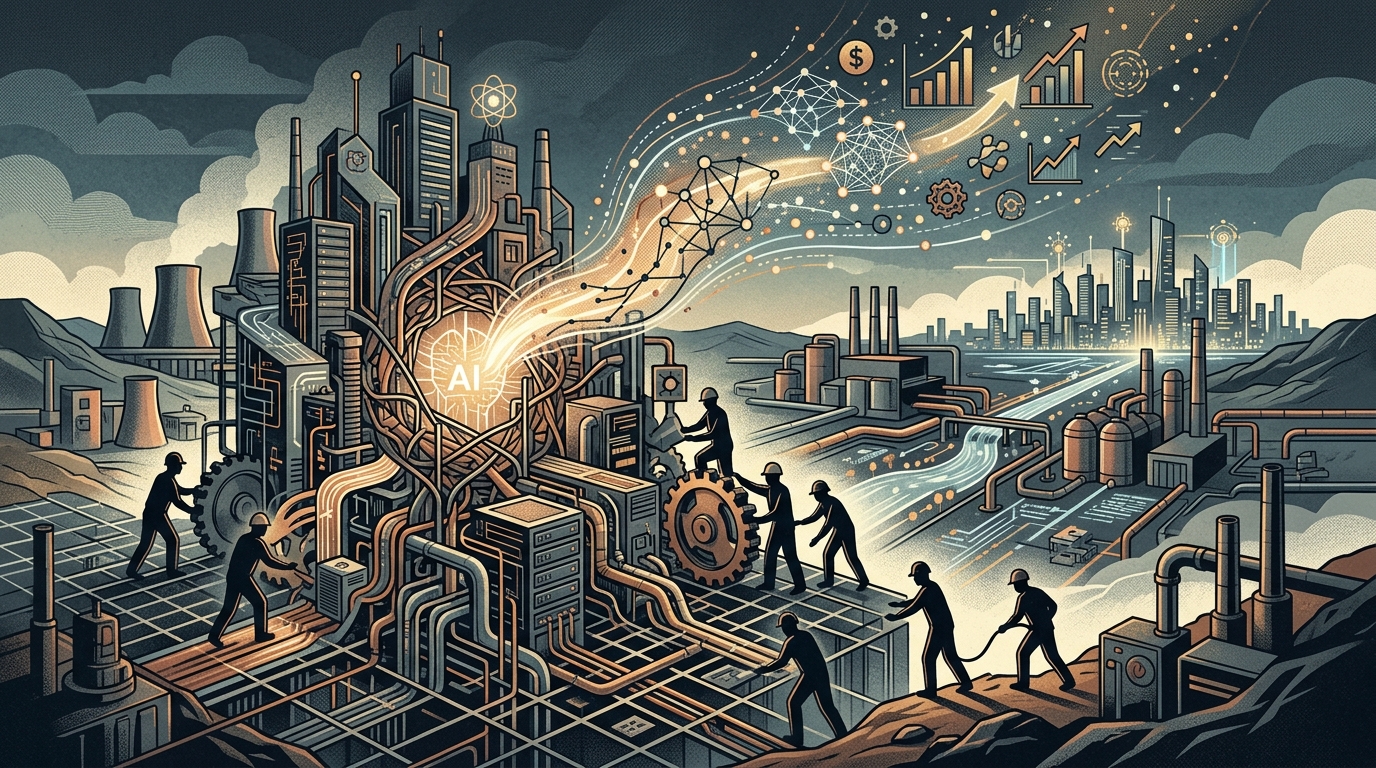
The transition from AI as a tool to AI as a manager is already underway, as evidenced by the increasing use of algorithms for promotions, salary setting, and terminations. The litigation involving Meta, where algorithms reportedly disproportionately impacted vulnerable employees, underscores the risks of 'automated' layoffs. While Article 22 of the GDPR provides a European safeguard against decisions made solely by machines, the reality of 'algorithmic opacity' in salary determination remains a concern. When nursing staff are paid differently based on credit card debt or shift-change frequency, the principles of transparency and fairness are compromised. Effective oversight must move beyond the 'human-in-the-loop' fallacy, as research indicates that extended automation leads to skill atrophy and the erosion of critical judgment in human supervisors.
Infrastructure, Environment, and National Interest
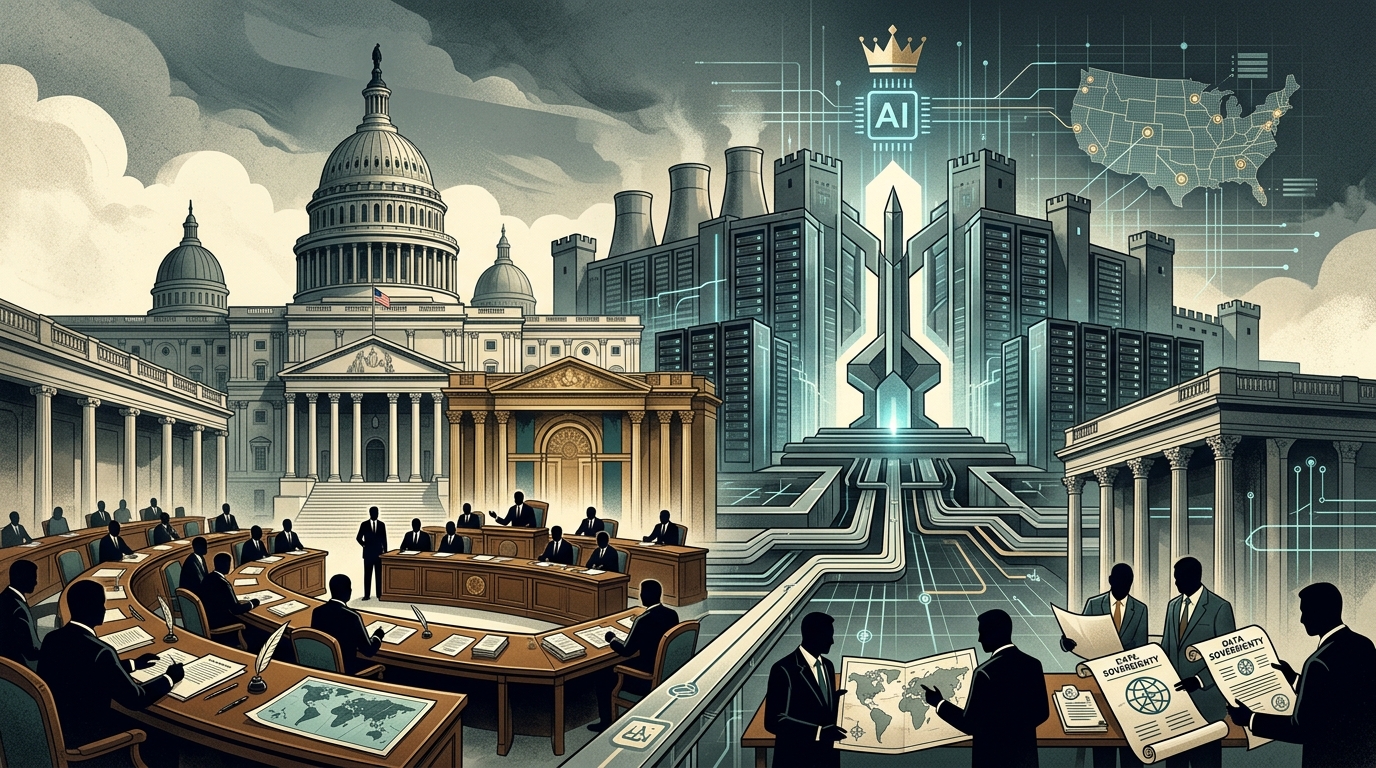
Finally, the physical reality of AI—its data centers—presents a governance challenge regarding resources and sovereignty. In Greece, the concentration of data centers in Attica raises questions about cybersecurity and the monopolization of energy. As researcher Vassilis Vassilopoulos notes, the water consumption of a single AI query (up to 500ml) and the energy demands of these facilities are staggering. For a democratic state, the question is one of priority: should renewable energy be directed toward lowering public costs or fueling private infrastructure? Without independent computing power in universities, academic innovation will continue to migrate to private centers, further weakening the state's capacity for autonomous technological development.