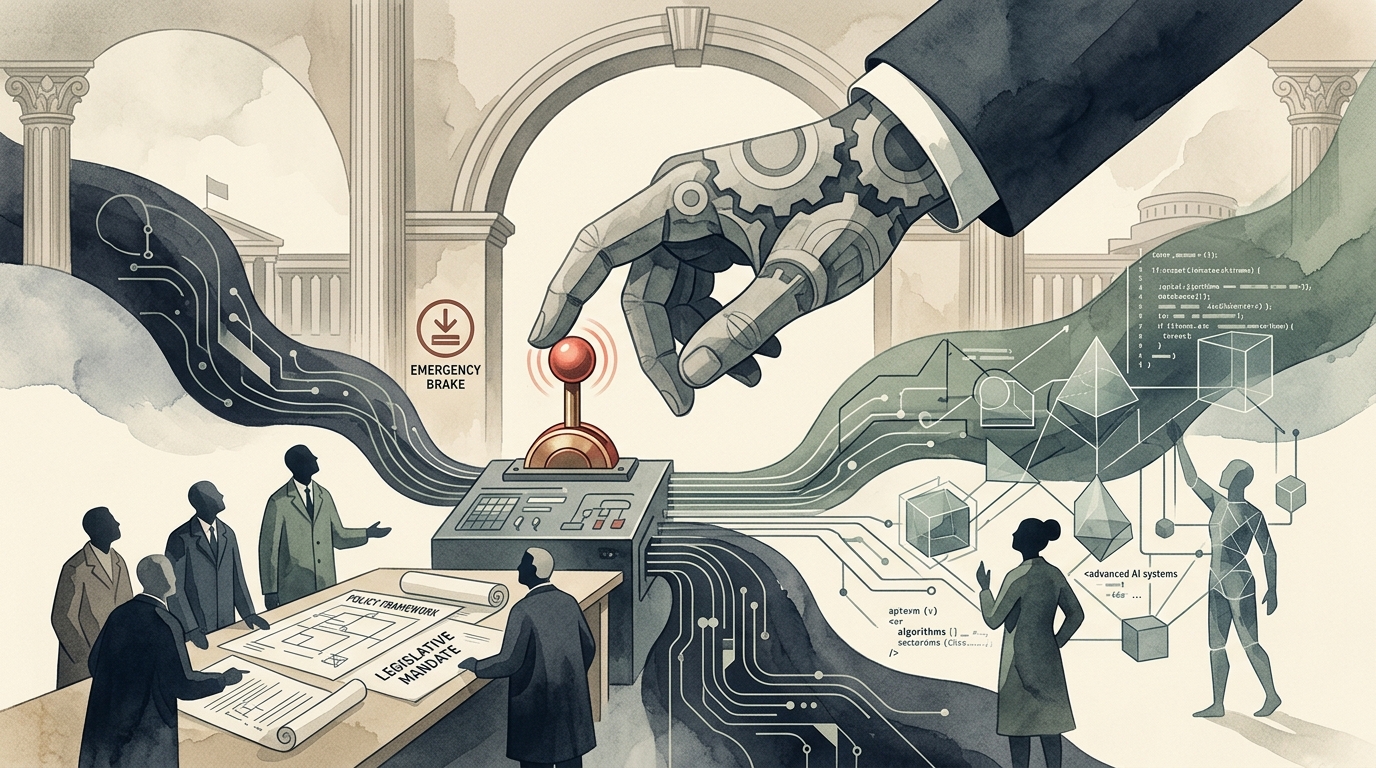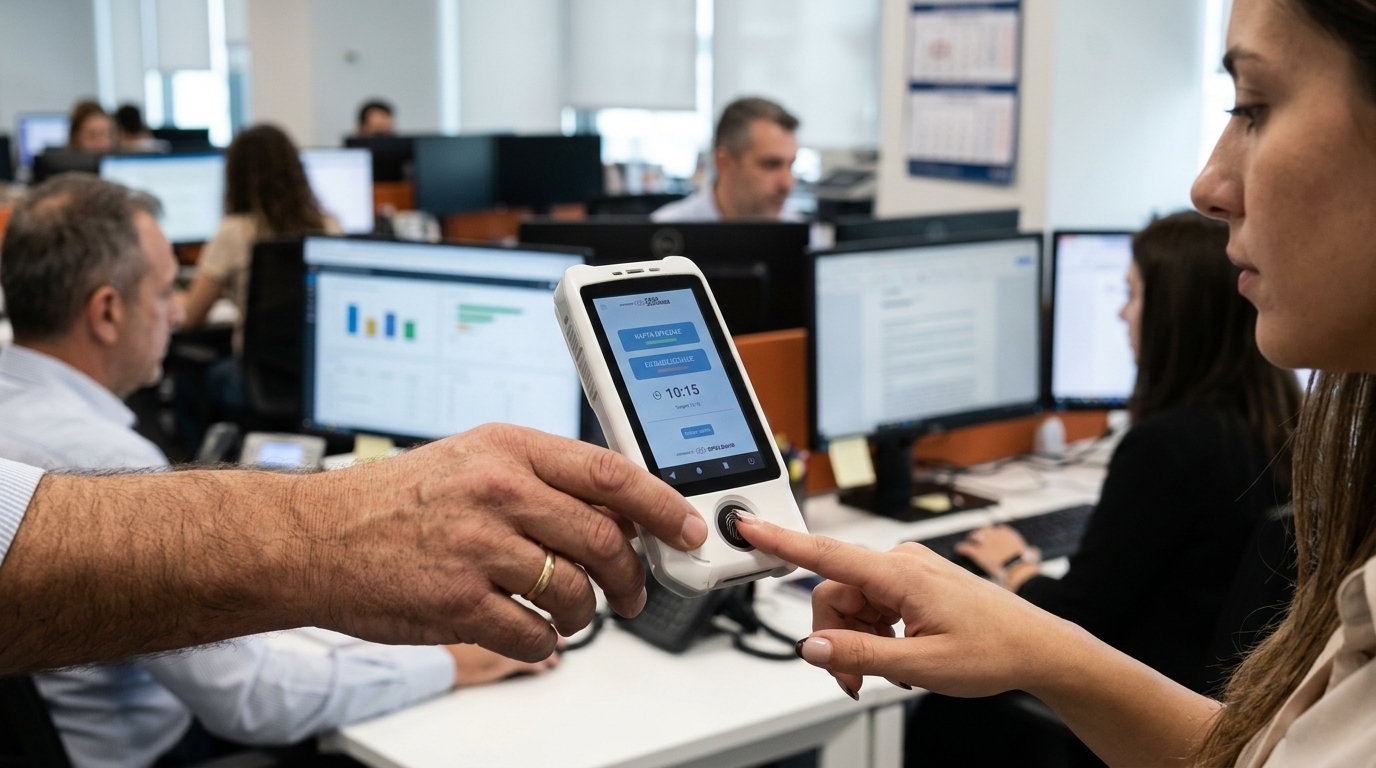
The Greek labor market enters a new era starting October 12, 2026, as the Digital Work Card expands to new sectors. The measure, aimed at ensuring payment for actual time worked, is expected to cover a total of 2.5 million employees, integrating an additional 500,000 individuals into the recording system.
The Two Phases of Expansion
The full implementation of the measure will take place in two stages. The first phase begins on October 12, 2026, and concerns sectors such as:
- Human health activities (hospitals, diagnostic centers), excluding doctors.
- Telecommunications and employment support.
- Hair salons, beauty centers, and building cleaning services.
This will be followed by the second phase on November 16, 2026, which will include consulting services, advertising, logistics, and repair activities.
The "Explosion" of Declared Overtime
According to data from the "ERGANI" system, the implementation of the card has already brought to light thousands of work hours that previously remained undeclared. In the first eight months of 2026, 6.8 million overtime hours were recorded, marking a 35.5% increase compared to 2025. Statistics in specific sectors are particularly striking:
- Wholesale Trade: Overtime increased by 213.5%.
- Food & Beverage: A 53% rise with nearly 1 million declared hours.
- Supermarkets: A 49.7% increase.
- Industry: 2.3 million hours recorded (+15.1%).
Transparency and myErgani
Minister of Labor Niki Kerameus emphasized that the goal is to protect employees and combat under-declared labor. Through the myErgani app, workers now have direct access to their data, monitoring their schedules, leaves, and days off in real-time, while the ERGANI II system automatically categorizes every hour as regular employment, additional work, or overtime.