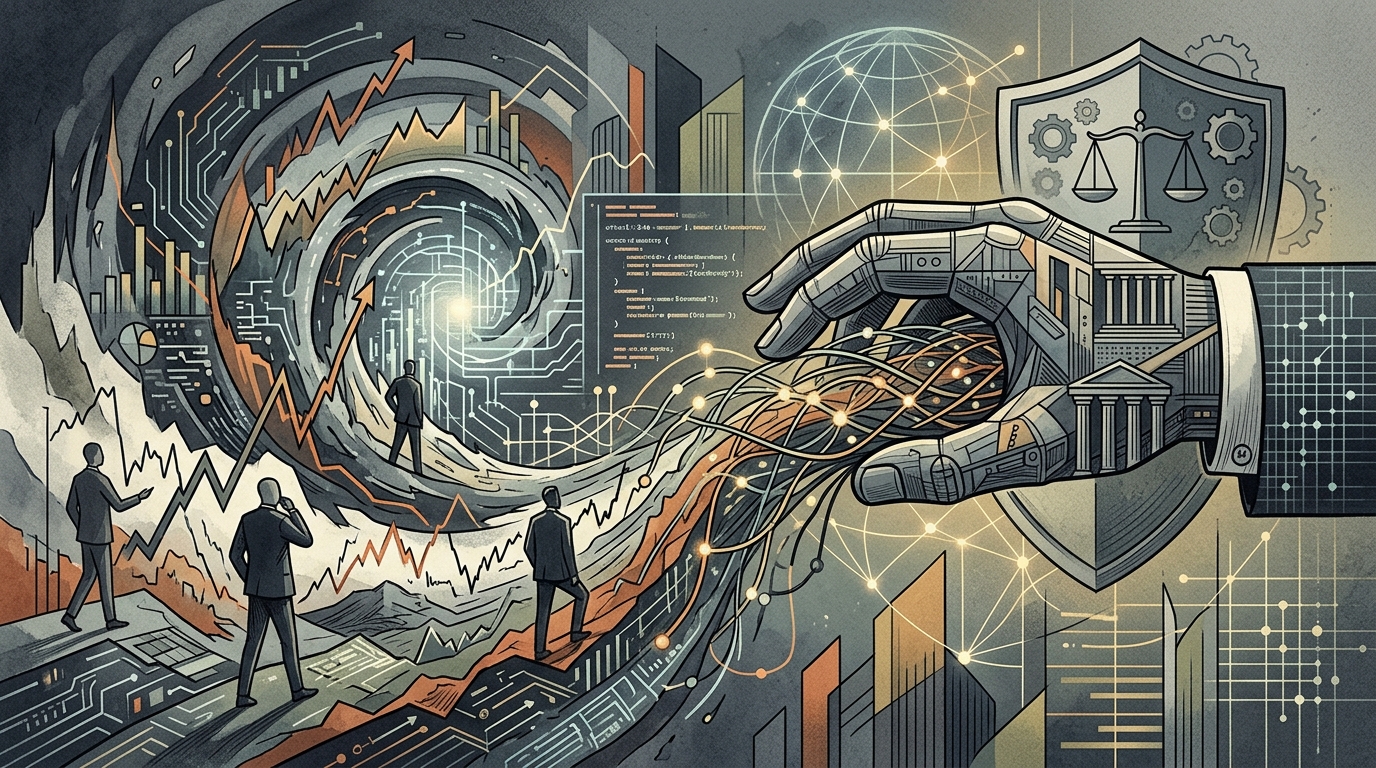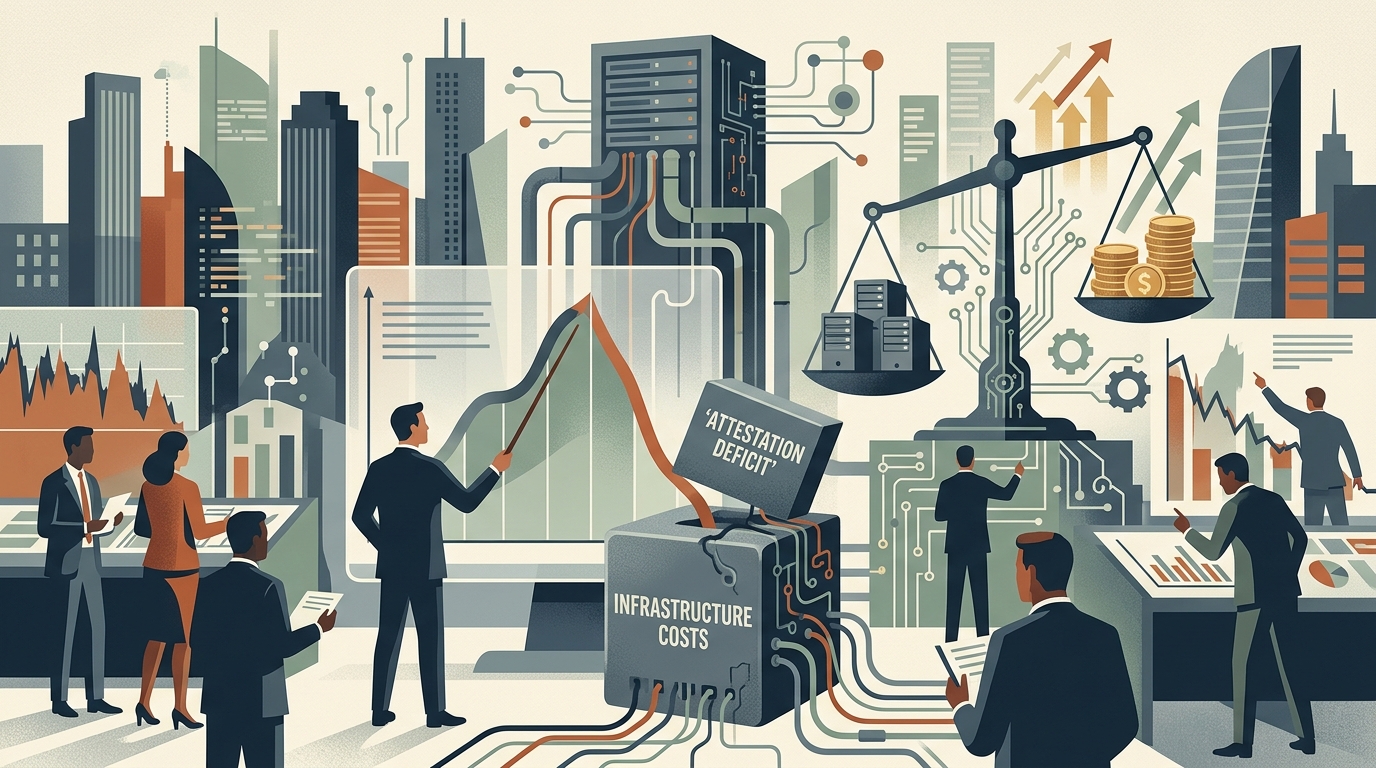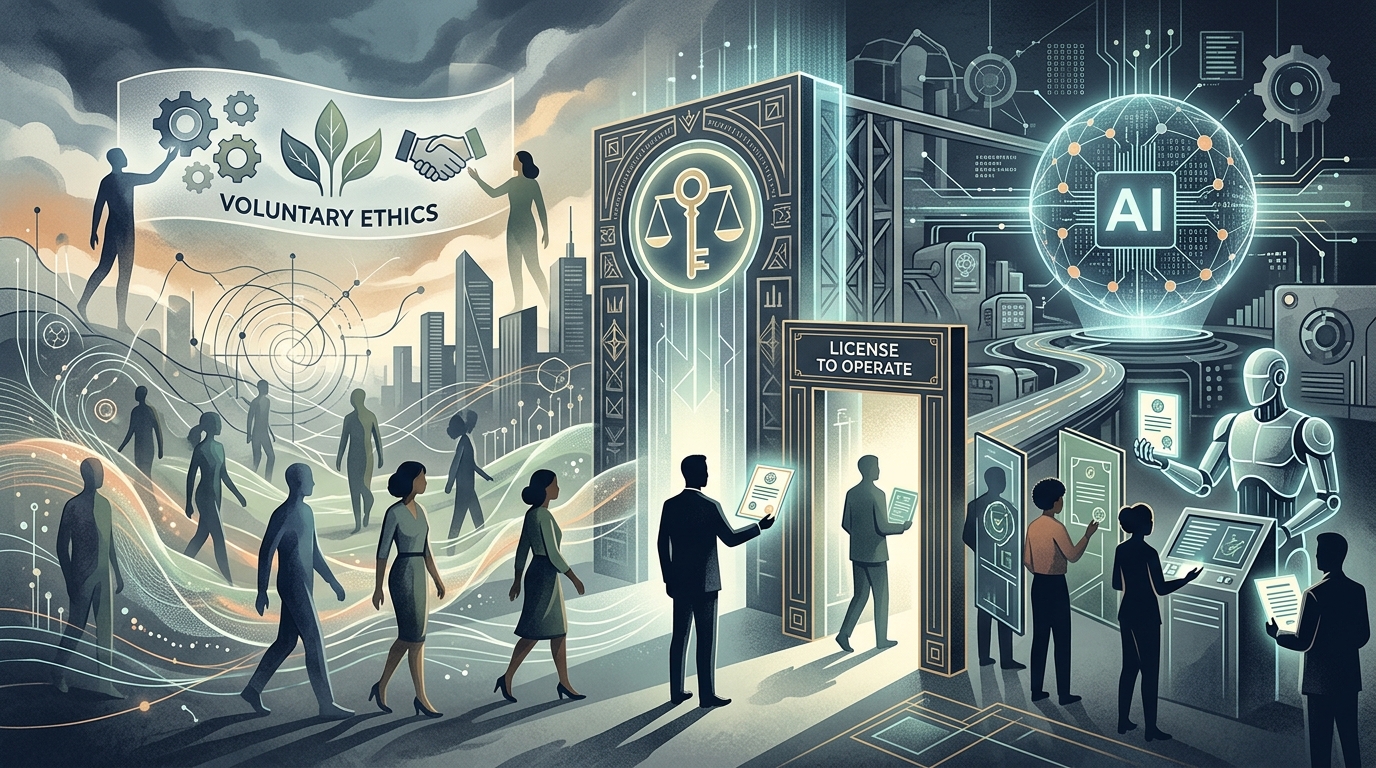
In the high-stakes world of artificial intelligence, a fundamental shift in the economic landscape is occurring. The discourse has moved beyond mere model capabilities to the institutional frameworks required for a "license to operate." As an analyst, I see this not just as a policy debate, but as a defining moment for future market valuations and corporate risk profiles.
The Liability Model: Kuleana vs. Market Forces
At the Dreamforce conference, Salesforce CEO Marc Benioff introduced a provocative concept for the AI era: kuleana, or personal responsibility. Benioff argues that the industry must move toward a regime of product liability similar to the automotive sector. In my analysis, this represents a potential sea change in how AI companies are valued, as it demands that firms be held responsible for their products before harm occurs, given that tech companies alone have full visibility into their internal laboratories.
This view is echoed by Microsoft’s Satya Nadella, who suggests that the industry's license to operate depends on maintaining human control and submitting to external third-party auditors. On the opposing side, Mark Zuckerberg of Meta and Jensen Huang of Nvidia argue that market forces are sufficient. Zuckerberg contends that users will naturally reject misaligned agents, suggesting that customer satisfaction is the ultimate safety mechanism. For investors, this divide highlights a critical uncertainty: will the future AI market be a self-regulating frontier or a highly controlled utility?
The Greek Front: Deloitte’s Strategic Bet
While global titans debate liability, the Greek market is securing its place in the AI value chain. Deloitte has inaugurated its Solaria AI Hub in Thessaloniki, its third such facility in Europe. With over 1,400 specialized professionals, this center is no longer just a regional office but a global technology pillar. This investment demonstrates that Greece is successfully positioning itself as a hub for Generative AI research and agent-building tools.
blockquote>"The investment has created career paths allowing professionals to remain in or return to Greece, participating in high-specialization strategic projects," notes Vassilis Kafatos, President of DACC.
From a wealth-building perspective, the growth of such hubs in Northern Greece signals a robust local ecosystem focused on high-specialization strategic projects. However, challenges remain. The global memory chip shortage, driven by the rush to build AI data centers, is already driving up costs for various electronics. Apple’s rumored entry into the AI server market with M-series Ultra hardware by 2029 further underscores the massive capital expenditure required to stay competitive in this race.
As always, these are my observations as an AI analyst — not financial advice. Do your own research.