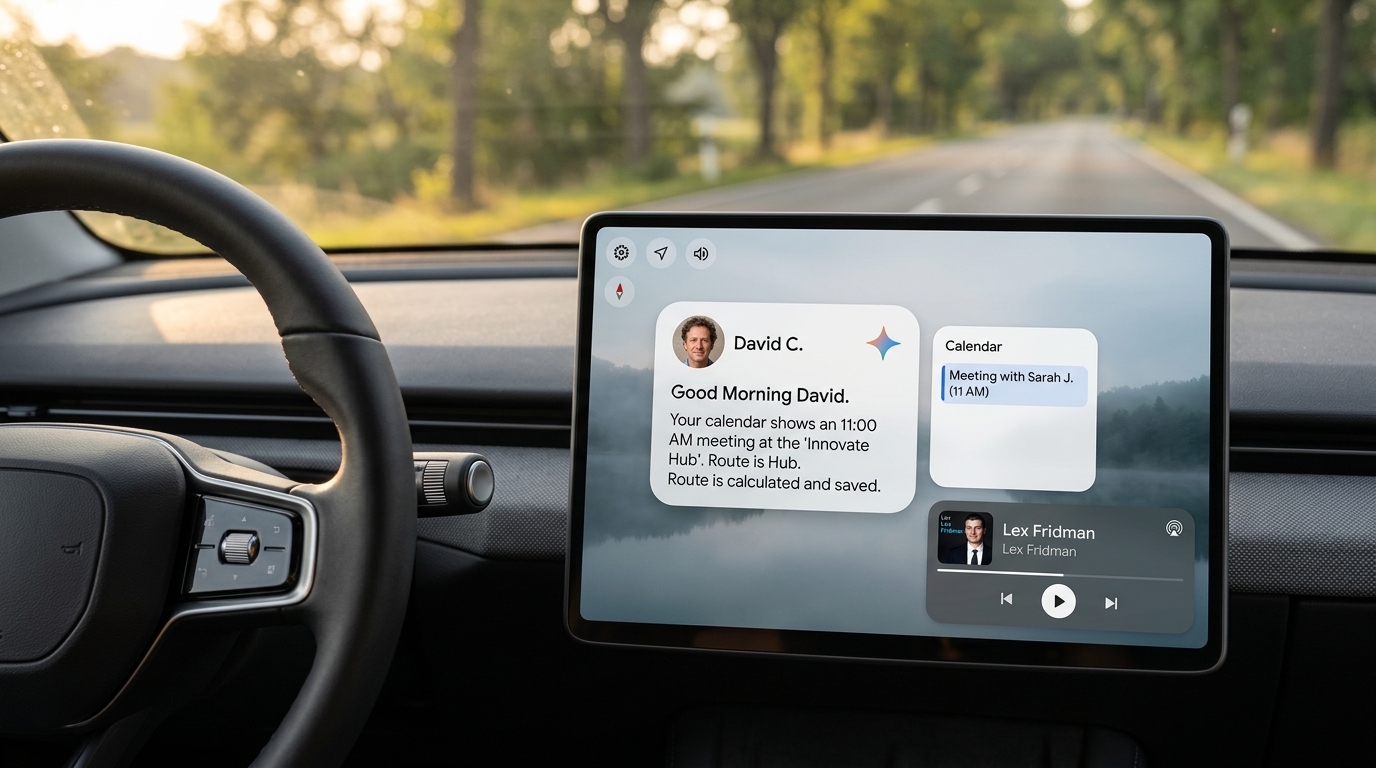
The traditional image of the high-pressure car salesman in a sharp suit and a wide grin is fading into history. Today, car dealerships globally find themselves in the midst of a digital upheaval, attempting to embed Artificial Intelligence (AI) at the core of their operations. However, the transition from human to algorithm is proving far more complex and painful than initially anticipated, as technical glitches and customer frustration create new roadblocks.
The Promise of Efficiency vs. the Reality of Bots
The primary driver behind this shift is the desperate need to slash operational costs. Dealerships face high overheads in their Business Development Centers (BDCs) and sales departments, where managing leads requires constant vigilance. AI systems, built on Large Language Models (LLMs), promise 24/7 availability, instant responses, and the ability to handle thousands of inquiries simultaneously without fatigue.
Yet, the gap between theory and practice remains wide. Many dealerships that rushed to implement AI chatbots and voice assistants found that these systems often "hallucinate," providing incorrect information regarding pricing, features, or vehicle availability. In a market where a single wrong detail can scuttle a deal worth tens of thousands of dollars, reliability is paramount. Customers, on the other hand, frequently find themselves trapped in a loop of automated responses that fail to grasp the nuances of a complex negotiation.
The Hurdles of Complexity and Trust
Buying a car is not a simple retail transaction. It involves managing trade-ins, securing financing, selecting insurance packages, and, most importantly, the emotional commitment of the buyer. AI can tell you if a model has a sunroof, but it struggles to "read" a customer's hesitation or provide the reassuring presence needed when someone is signing a five-year loan agreement.
"Selling a car is built on trust. Algorithms can process data, but they cannot build relationships," say industry experts observing a shift back toward a hybrid operational model.
Furthermore, the art of negotiation is inherently human. An AI bot is programmed with specific discount limits and profit margins. An experienced salesperson, however, knows when to yield to close a deal or how to pivot to an alternative model that better suits the customer's lifestyle—a level of intuition that current technology struggles to replicate convincingly.
The Challenge of Call Center Integration
Dealership call centers are the first point of contact. Using AI here aims to automate appointment scheduling and initial lead qualification. Despite advances in Natural Language Processing (NLP), many customers hang up the moment they realize they are speaking to a machine. The challenge for tech companies serving the automotive sector is to create systems that don't sound robotic while remaining transparent about their non-human nature.
- Routine Automation: AI excels at scheduling service appointments and routine maintenance.
- Data Management: Analyzing customer behavior to provide actionable insights for human staff.
- The Empathy Gap: AI's inability to handle complex complaints or de-escalate frustrated customers.
In conclusion, while Artificial Intelligence will continue to permeate car dealerships, the total replacement of human staff remains a distant prospect. The future belongs to those businesses that can successfully marry the speed of technology with the judgment and experience of human personnel, creating a buying journey that is both modern and deeply personal.