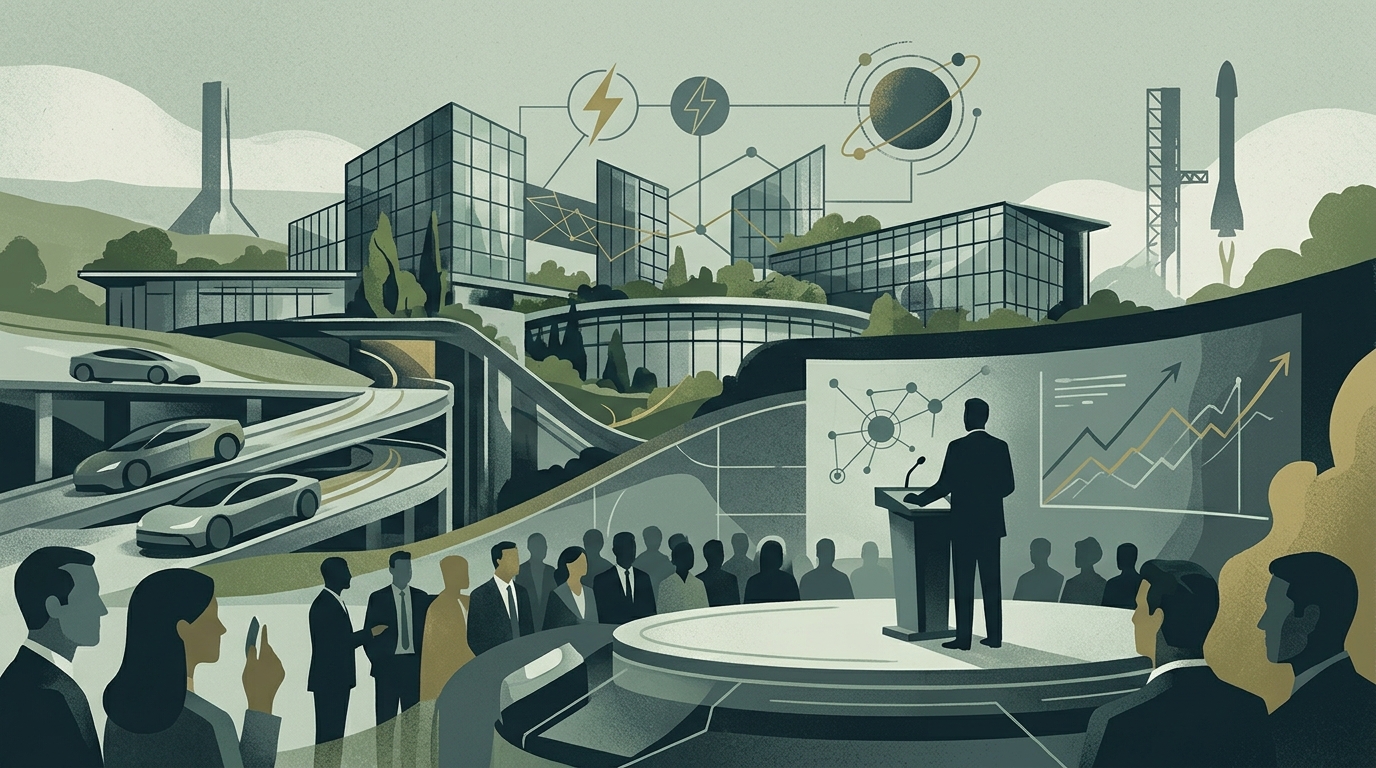
Artificial Intelligence (AI) is no longer a distant promise; it is the driving force of a new economic reality. In a recent, comprehensive analysis, Morgan Stanley seeks to map this uncharted territory, offering investors a 'compass' to navigate what it terms the 'AI Supercycle.' The bank's analysis moves beyond merely observing the ascent of Nvidia, focusing on deeper market layers expected to define returns in the coming years.
Infrastructure as the New 'Digital Real Estate'
According to Morgan Stanley, the first wave of AI focused almost exclusively on semiconductors. However, the next phase concerns the infrastructure that supports these processors. This includes not only data centers but also the energy required to power them. The bank highlights that utilities and renewable energy providers are now becoming central players in the technology ecosystem.
Demand for electricity is expected to skyrocket, as training large language models (LLMs) requires immense amounts of power. Investors are urged to look beyond hardware, focusing on companies managing the grid, system cooling, and sustainable energy sources. 'AI is not just code; it is copper, silicon, and electricity,' the report notes emphatically.
From Software to Real Productivity
The burning question for the market is when massive capital expenditures (CAPEX) will translate into revenue. Morgan Stanley identifies a gradual transition from 'Enabling AI' (building the tools) to 'Application AI' (using them to create value). Software-as-a-Service (SaaS) companies are at the forefront, integrating AI assistants that enhance worker productivity.
However, the analysis warns that not everyone will survive. Differentiation will come from businesses possessing proprietary data. In the world of AI, the model is often shared, but the training data is the competitive moat. Healthcare, finance, and legal services are considered the most mature sectors for adopting such specialized applications.
Risk Management: Bubble or Fundamental Shift?
Comparisons to the dot-com bubble of 2000 are inevitable. Morgan Stanley, however, notes a key difference: today’s tech leaders are highly profitable companies with robust balance sheets, unlike the overvalued startups of the past. Nevertheless, valuations remain high, and volatility is to be expected.
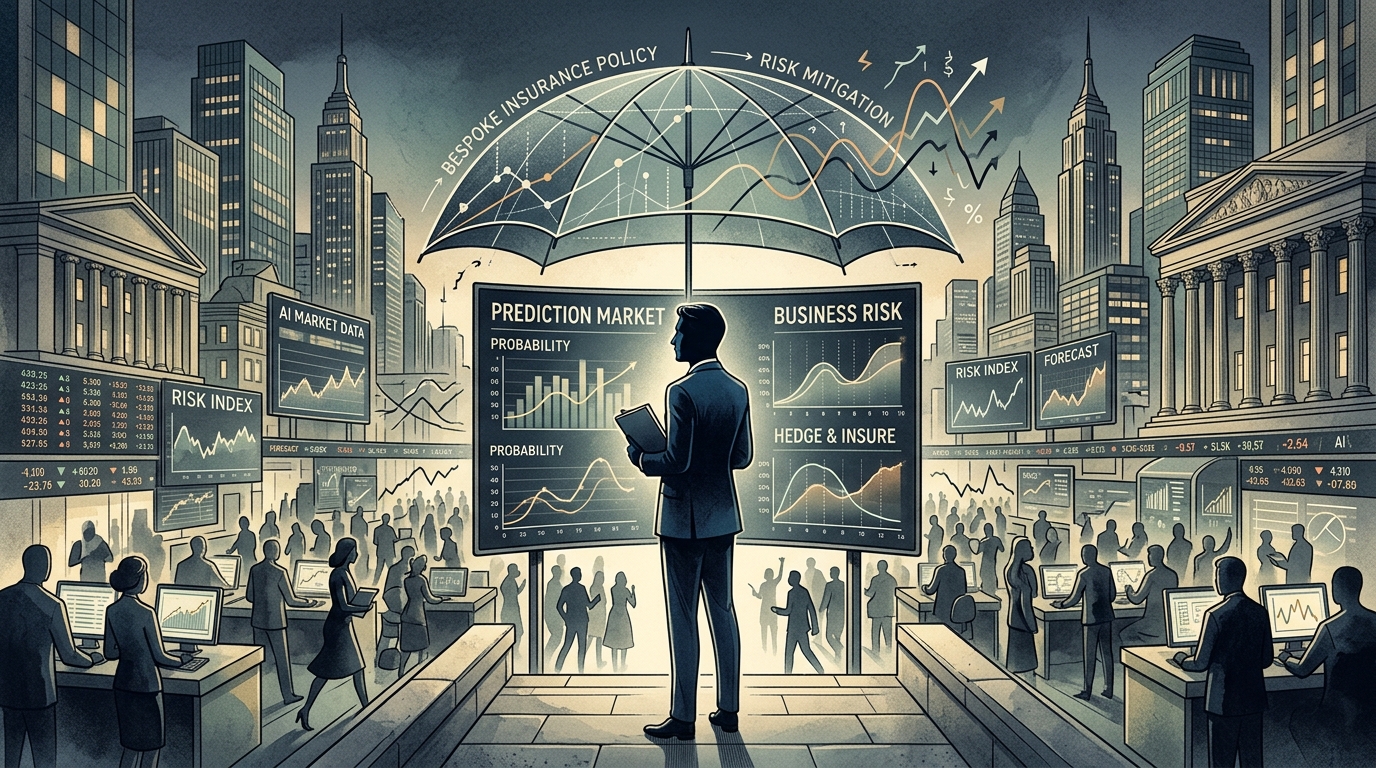
Investors should watch for signs of 'spending fatigue' among Big Tech giants (Hyperscalers). If return on investment (ROI) is slow to appear in earnings reports, the market may punish even the strongest players. The bank recommends a 'barbell' strategy, combining exposure to growth-oriented AI firms with traditional, defensive value stocks that benefit from internal tech usage to cut costs.
The Geopolitics of AI and Europe's Role
Finally, the report addresses regulatory frameworks and geopolitical tensions. Chip export controls and strategic autonomy in semiconductor production are critical factors. Europe, while lagging in hardware production, leads in regulation (EU AI Act), which could serve as either a hurdle or a global blueprint. Morgan Stanley concludes that success in the AI era requires not only technological acumen but also a deep understanding of macroeconomic and political balances.