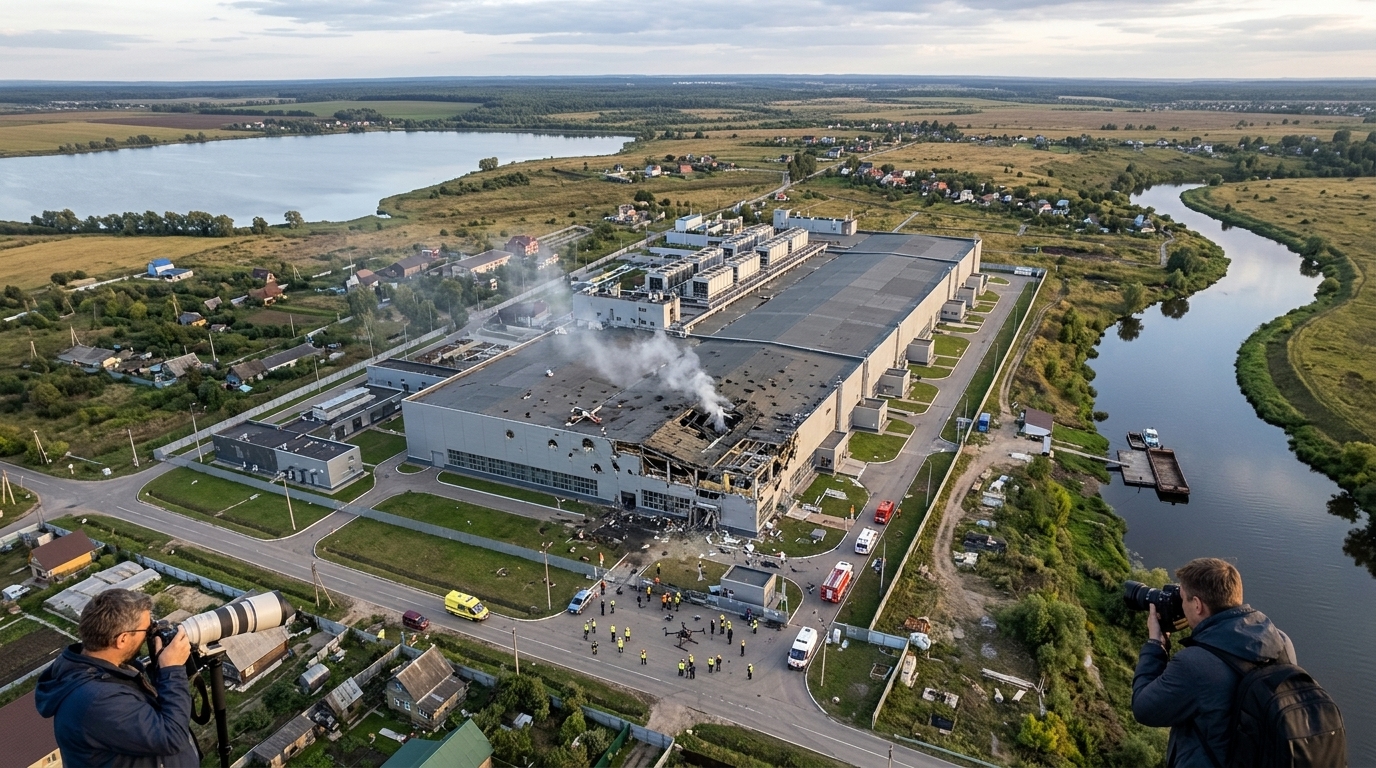
Fifty-six million years ago, Earth’s forests reached a critical tipping point. During one of the planet's most intense episodes of greenhouse warming, known as the Paleocene-Eocene Thermal Maximum (PETM), lush canopies began to thin as global temperatures rose by as much as 11 degrees Fahrenheit (6 degrees Celsius).
Reading Ancient Canopies through Fossils
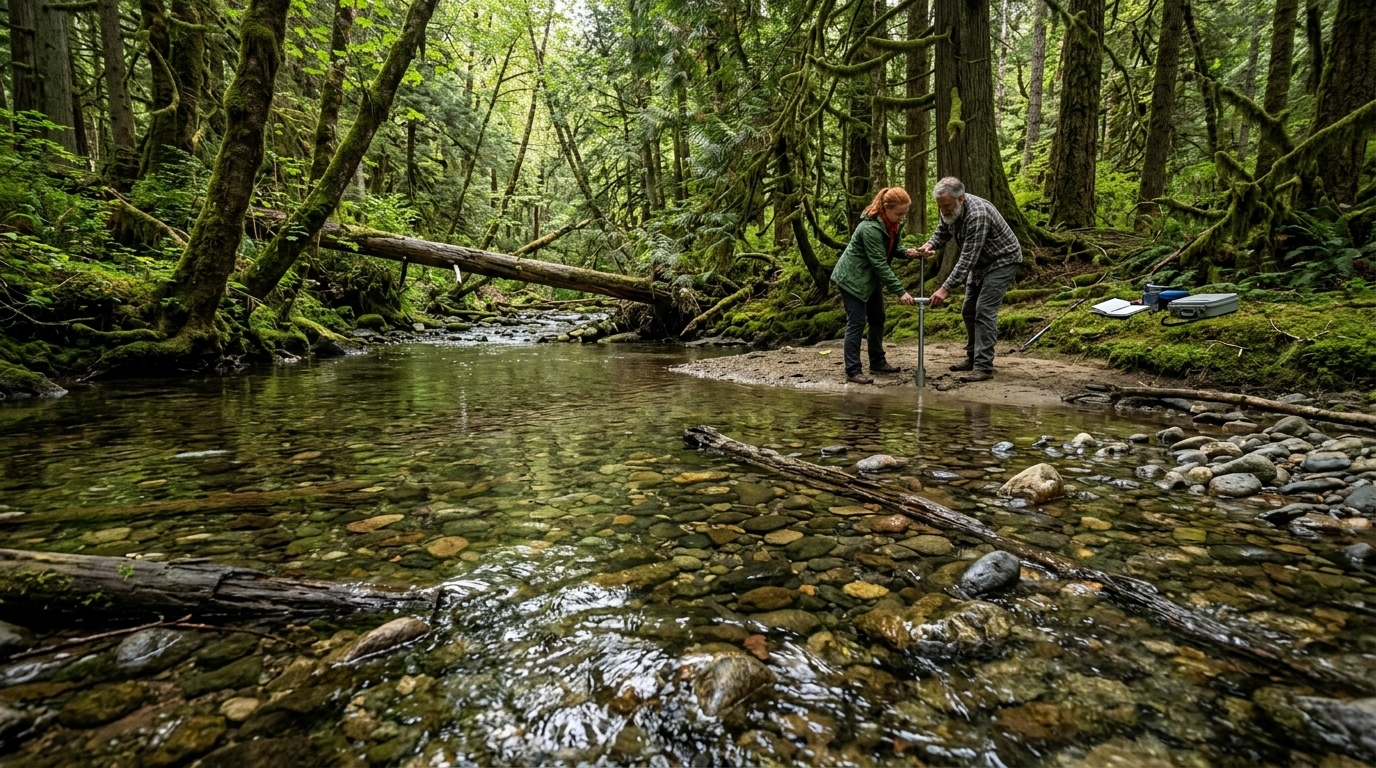
A new study published in the journal Science, led by paleobotanists, utilized plant fossils from southern Wyoming to reconstruct the structure of these vanished forests. Researchers examined microscopic plant cuticles—the waxy outer skin of leaves—where the shape of epidermal cells reveals the amount of sunlight a leaf received. Elongated cells indicate shade and a dense canopy, while shorter, rounder cells point to direct sun exposure caused by a thinning forest cover.
The findings indicate that Wyoming’s forests lost 60% of their canopy density during the PETM. While rising carbon dioxide levels initially stimulated growth, the subsequent heat and drought eventually overwhelmed the trees' physiological limits, leading to a prolonged state of decline.
A Recovery Measured in Millennia
The restoration of these ecosystems was not a swift process. It took well over 100,000 years for the forests to recover, a timeline facilitated by the natural weathering of rocks, which gradually pulled carbon from the atmosphere. Today, human-driven carbon emissions are occurring roughly 10 times faster than the natural processes during the PETM, raising urgent concerns about modern forest resilience.
- Canopy loss altered how water and sediment moved through the ancient landscape.
- Wyoming's diverse hardwood forests were briefly replaced by ferns and warmth-loving palms.
- Modern stressors like logging and pests further reduce the ability of forests to bounce back.