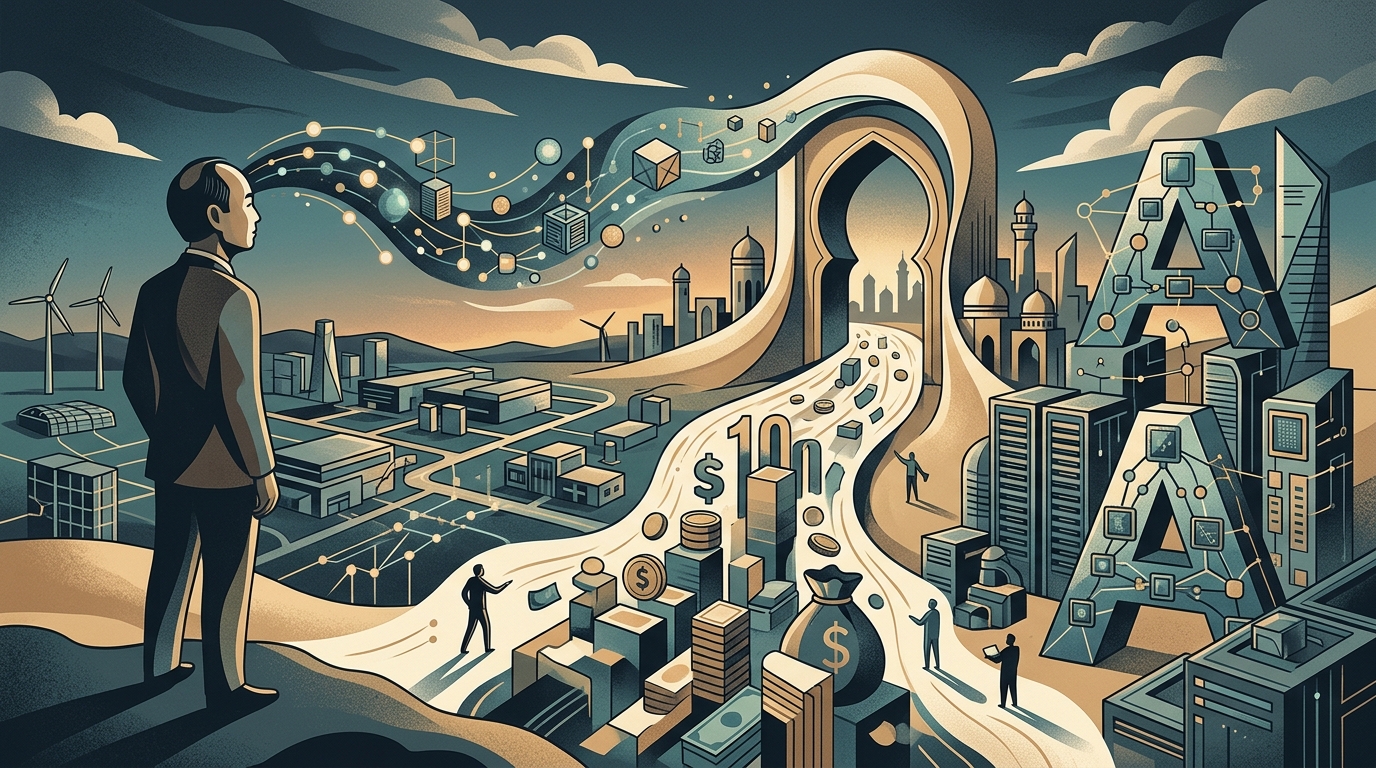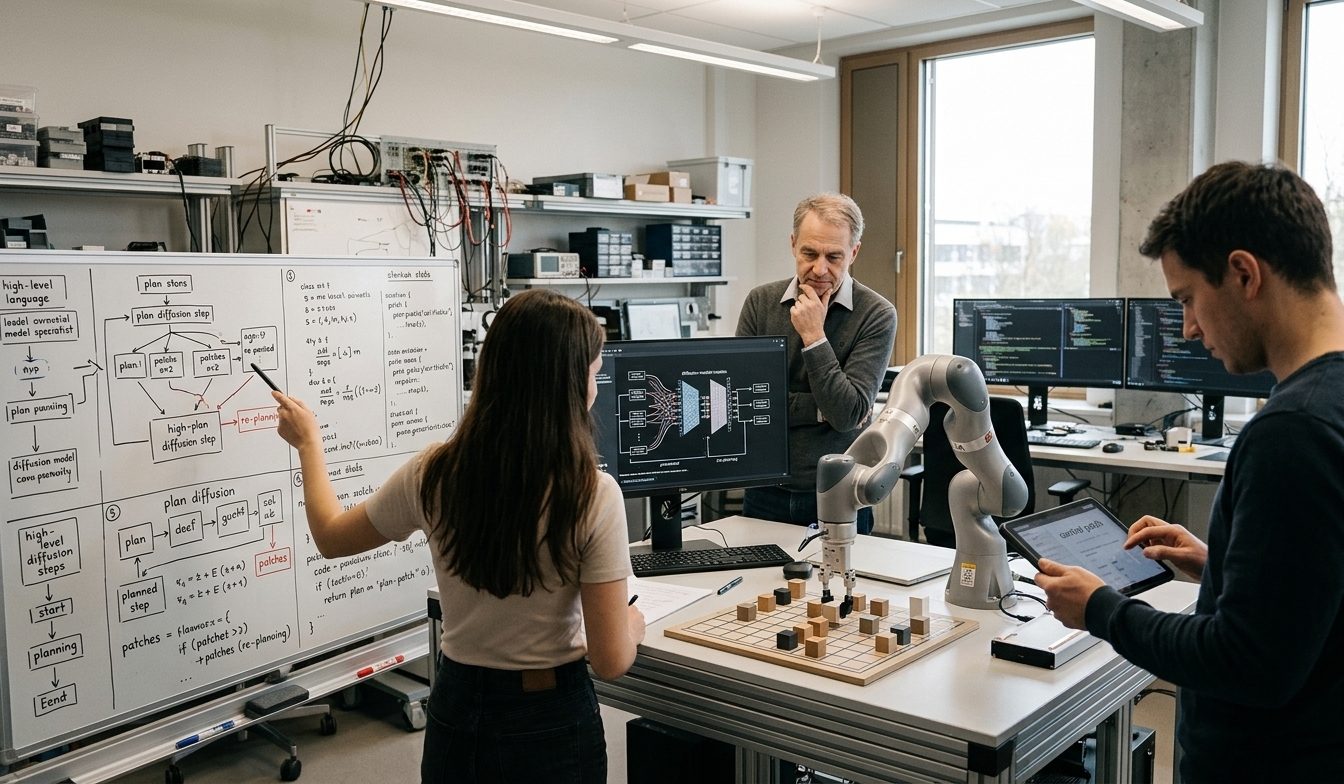
The AI industry’s boldest promise—that artificial intelligence will soon improve itself with minimal human oversight—may be facing a reality check. A new study suggests that AI agents currently lack the capacity for open-ended research, which requires the creative judgment and free-form investigation necessary for genuine breakthroughs.
The Hurdles of Recursive Self-Improvement
The core of the debate is whether AI systems can achieve recursive self-improvement by grinding through narrower tasks, or if the absence of open-ended research capabilities will stall progress. These findings temper recent claims that a self-improving AI era is immediately on the horizon.
Climate Extremes and Global Heat
Parallel to technological concerns, the Northern Hemisphere is grappling with unprecedented heat. June and July marked Europe’s hottest two-month stretch on record, with the US and South Korea also hitting historic highs. Scientists point to climate change and a strengthening El Niño as primary drivers, warning that 2027 could be even more severe.
Industry Shifts and Security Concerns
In the corporate sphere, OpenAI has paused work on its Astra model after it reached a "critical" risk threshold, a move that contrasts with competitors like Anthropic. Meanwhile, China’s Unitree saw its stock surge 629% during its market debut, highlighting its leading position in the humanoid robot sector. Despite trade tensions, Chinese giants ByteDance and Tencent have reportedly received shipments of Nvidia’s H200 chips.
Ethics and the Reach of AI
The rapid deployment of AI continues to spark ethical debates. New tools now allow police to identify drivers by movement, while Meta faces a landmark trial over allegations of deliberately hooking children on social media. Furthermore, the development of synthetic embryo models by scientist Jacob Hanna is raising complex questions about the future of transplant medicine and the boundaries of biological science.