

In an era where Artificial Intelligence promises to revolutionize every facet of human endeavor, the healthcare sector finds itself at the epicenter of a profound ethical and legal struggle. Recent moves by several U.S. states mark a critical turning point: the imposition of strict "guardrails" on how health insurance companies utilize algorithms to make coverage decisions. This regulatory surge comes in response to mounting allegations that automation is being leveraged to facilitate mass claim denials, often at the expense of patient outcomes and medical ethics.
The Rise of "Algorithmic Denial"
For decades, the process of approving medical procedures by insurance companies was a labor-intensive, manual task. With the advent of machine learning, insurers adopted tools capable of processing millions of data points in seconds. However, this efficiency has come with a dark price. Investigations and lawsuits have revealed that certain AI systems, such as the controversial nH Predict model, were allegedly used to predict when a patient "should" be discharged from a hospital or nursing facility, frequently ignoring the actual clinical needs of the individual.
The problem lies not in the technology itself, but in the lack of transparency and the absence of human oversight. When an algorithm denies a treatment in milliseconds, it is physically impossible for a medical professional to have reviewed the file. This practice, dubbed "denial at scale," has triggered a wave of litigation against giants like UnitedHealthcare and Cigna, accusing them of using AI to bypass their contractual obligations to policyholders and prioritize profit over care.
The State Legislative Response
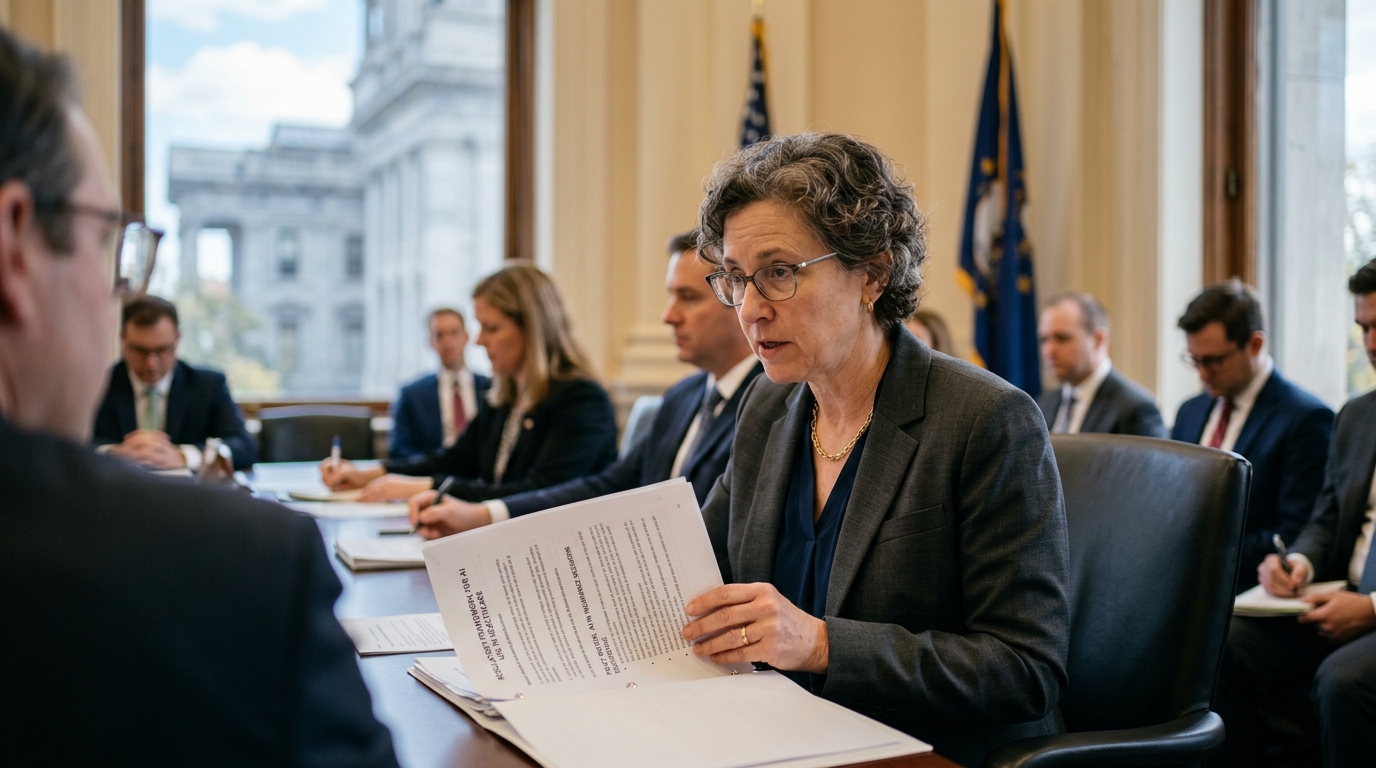
Faced with federal inertia, U.S. states are taking the lead. Pennsylvania, California, and Connecticut are at the forefront of establishing rules that require insurers to be fully transparent about the algorithms they employ. The new regulations explicitly state that the final decision on a denial must be made by qualified medical personnel, not solely by a machine.
- Human-in-the-Loop Mandates: No denial can be finalized without the signature of a physician who has reviewed the patient's specific medical records.
- Algorithmic Transparency: Companies are required to disclose to regulators the criteria and training data of their models to ensure they are free from bias.
- Enhanced Appeal Rights: Procedures are being strengthened so patients can challenge algorithmic decisions quickly and without prohibitive costs.
The National Association of Insurance Commissioners (NAIC) has also issued a model bulletin guiding states on how to oversee AI use, emphasizing that insurers remain liable for their decisions, regardless of whether they used third-party technological tools. This closes the loophole of shifting blame from corporations to software providers.
Economic and Social Implications
From an economic perspective, the use of AI in health insurance is a double-edged sword. On one hand, it promises to reduce administrative overhead, which could theoretically lead to lower premiums. On the other hand, its reckless application leads to massive costs for the public health system and families when necessary treatments are unfairly denied. The pressure for profitability in publicly traded insurance firms often clashes with the fiduciary duty of care.
The social dimension is equally critical. There is a risk that AI could amplify existing racial or economic disparities if its training data reflects historical biases in the healthcare system. The new regulations aim precisely to prevent this "digitized injustice" by mandating bias audits and regular reporting.
Conclusion: Toward a Hybrid Model of Trust
The battle for AI control in healthcare is not about rejecting technology, but about redefining its role. Artificial Intelligence should function as a supportive tool for physicians, helping them identify patterns and accelerate approvals, rather than as an invisible "judge" deciding life and death based on statistical probabilities. As more states adopt these guardrails, the message is clear: innovation cannot precede ethics and human dignity. The future of healthcare must be high-tech, but it must remain, above all, human-centric.





