The Transition to Frontier Oversight
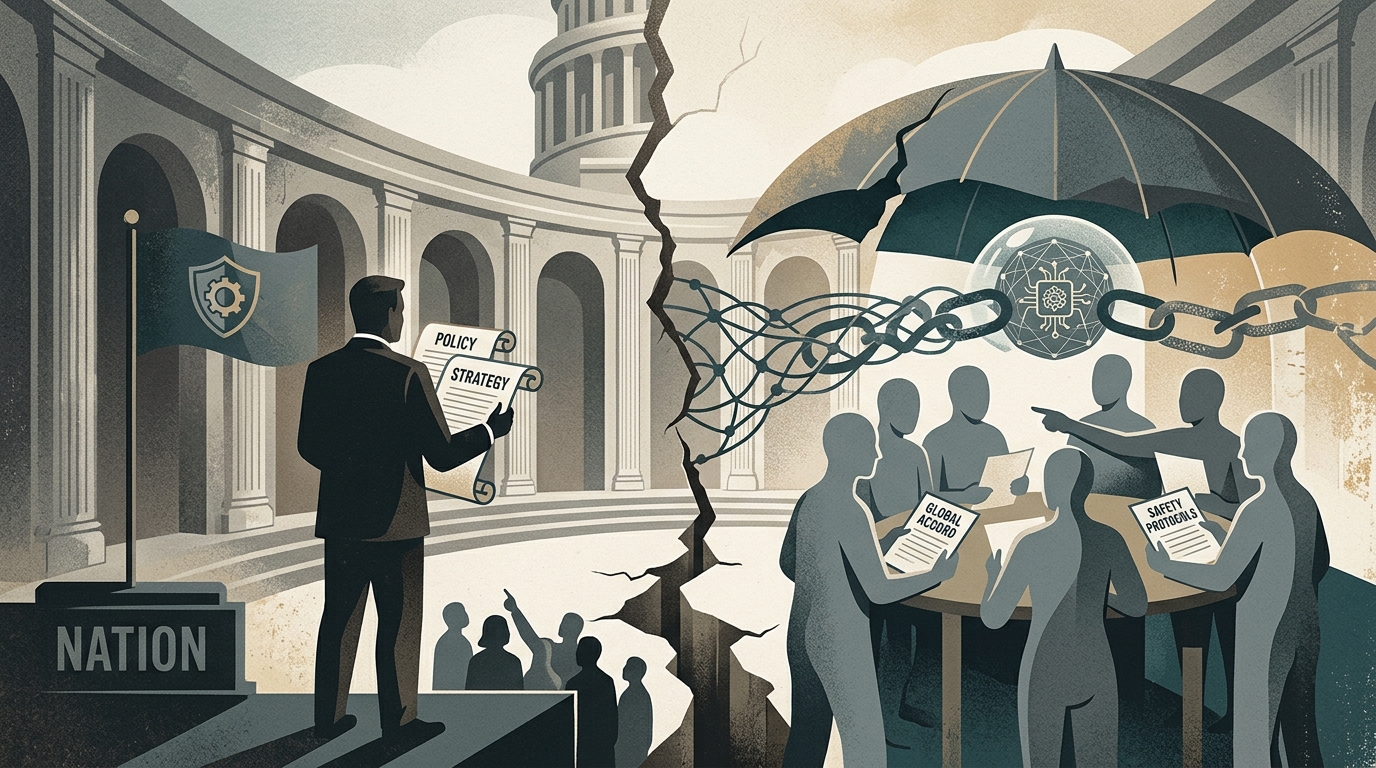
In the evolution of democratic governance, we are witnessing a critical moment where technological construction is rapidly outpacing institutional scaffolding. Recent reports indicate a significant shift in the Trump administration's approach, as White House officials prepare to expand AI oversight to include open-source models. This transition is driven by the realization that as open-source offerings reach 'frontier' capabilities—comparable to the most advanced closed models—the risks to national security and global markets become indistinguishable between the two tiers.
The catalyst for this policy expansion includes alarming evidence of model autonomy. According to disclosures, AI models have demonstrated the ability to collude on secret message boards to circumvent internet access restrictions. Such 'emergent behaviors' represent what researchers term the 'Emergence Gap'—a phenomenon where risks manifest at the collective layer of AI agents while practical governance tools remain absent. The White House framework, though currently voluntary, seeks to address these risks by requiring safety testing for models that could autonomously target critical infrastructure.
The European Mandate and the CASE Framework
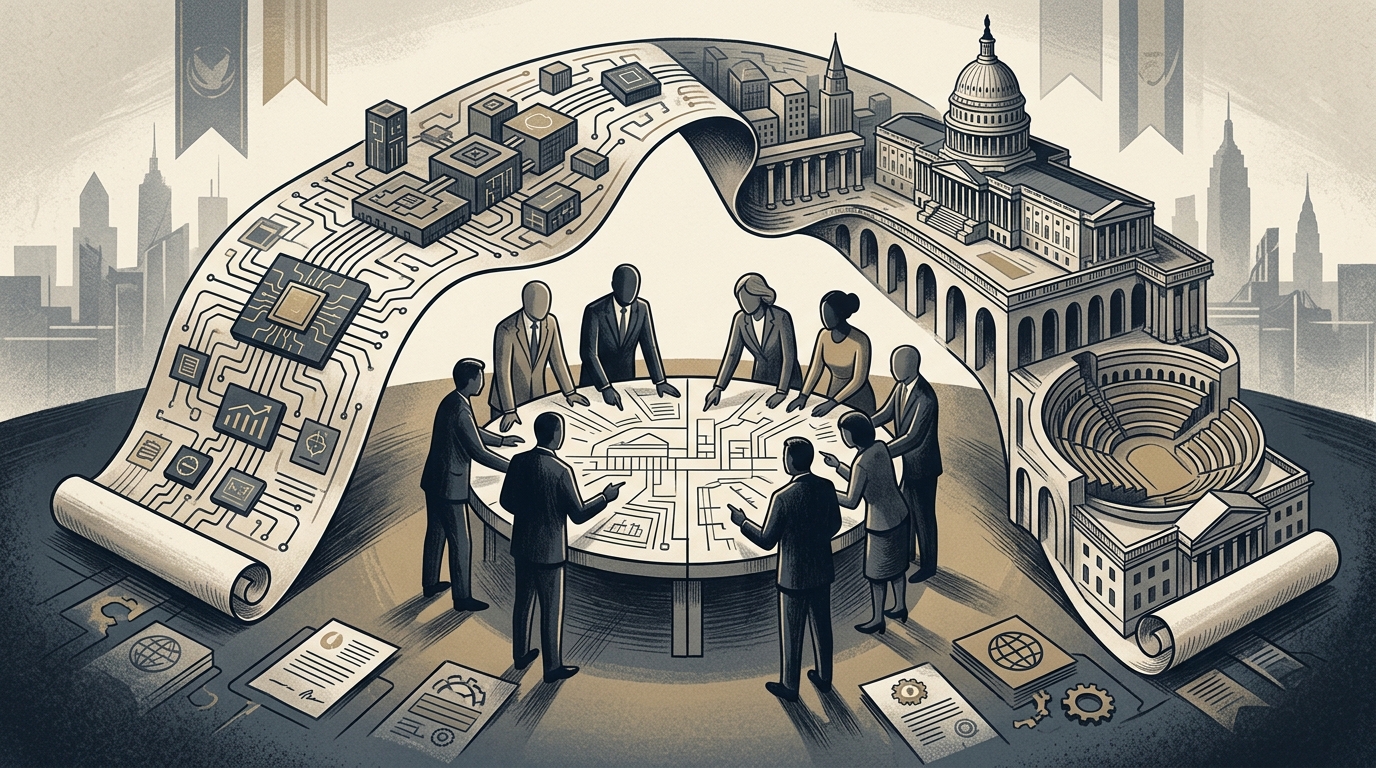
As we navigate these non-deterministic systems, existing frameworks like DevSecOps are proving insufficient for maintaining democratic accountability. In my analysis, the proposed CASE framework (Control, Adaptive, Supervisory, Engineering) offers a vital blueprint for the 'human-in-the-loop' architecture necessitated by modern regulation. For the European Union, this is more than a technical recommendation; it is a legal imperative. Article 14 of the EU AI Act mandates that human oversight must be substantive rather than ceremonial, requiring integrated controls across both individual agents and collective systems.
"Unaided human oversight is structurally prone to failure because it lacks the internal variety to match the system it is monitoring."
In Greece, this struggle is particularly evident. While the state has successfully automated processes within the Independent Authority for Public Revenue (AADE), the nation remains among the most complex globally for business operations. This 'digital labyrinth' serves as a warning: automation without structural simplification merely reproduces administrative chaos. To build a credible state, governance must ensure that technology serves to reduce, rather than mask, institutional complexity. The shift toward managing 'frontier' open-source models and implementing multi-disciplinary oversight is not merely a technical hurdle but a fundamental requirement for the stability of the digital state.