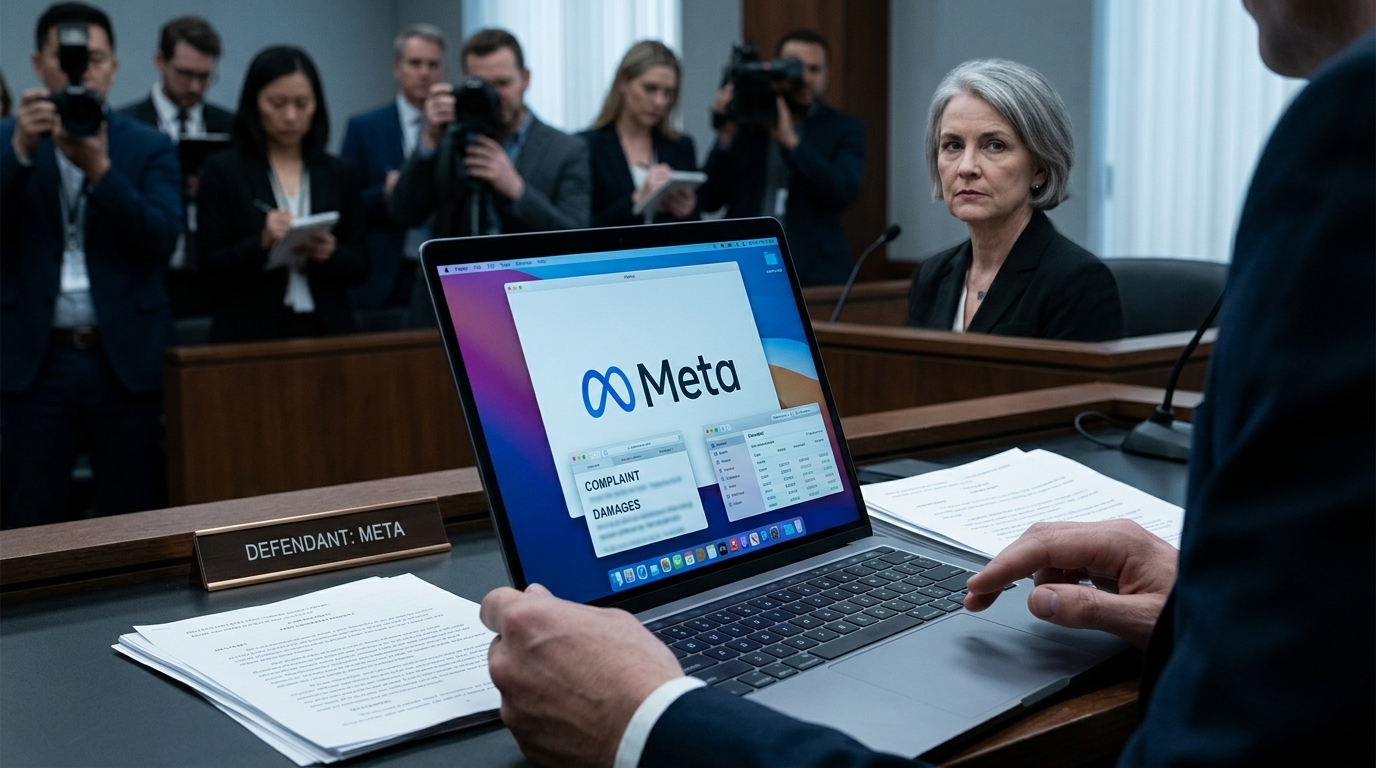
Meta and TikTok have failed in their attempt to block thousands of social media addiction lawsuits, as a U.S. appeals court rejected their claims of legal immunity. The ruling clears the way for a historic trial starting this month, with potential damages reaching a staggering $1.4 trillion.
The Verdict on Section 230
In a unanimous 3-0 ruling, a panel from the 9th Circuit U.S. Court of Appeals held that Section 230 of the Communications Decency Act provides a defense to liability, but not immunity from suit. The judges noted that when Congress intends to create immunity from legal proceedings, it does so unequivocally, which is not the case here.
Meta was the primary company claiming immunity, with TikTok joining its arguments. The ruling means the trial scheduled to begin on August 19—with jury selection starting today, August 12—will proceed as planned in district court.
Allegations of Deception and Addictive Design
State Attorneys General from California, Colorado, Kentucky, and New Jersey allege that Meta deceived the public regarding the safety of its platforms. They claim the company deliberately designed Facebook and Instagram to induce compulsive use to drive revenue growth.
The consolidated litigation involves over 3,000 lawsuits, which also impact Google and Snapchat. Key allegations include:
- Encouraging addictive behavior in minors.
- Bypassing parental controls.
- Inadequate age verification processes.
- Intentionally amplifying harmful and exploitative content.
Financial Stakes and Legal Precedents
Meta had attempted to appeal an interlocutory order from U.S. District Judge Yvonne Gonzalez Rogers, who mostly denied a motion to dismiss in 2024. While the judge found that Section 230 insulates some platform features, she declined to dismiss theories of liability based on a failure to warn of known addiction risks.
The pressure on Meta is mounting; in a separate New Mexico case, the company was recently ordered to pay nearly $1 billion in total for creating a "public nuisance" and civil penalties. The 9th Circuit's refusal to stay the trial marks a significant setback for the social media giant's legal strategy.