The meteoric rise of Generative AI has pushed the global entertainment industry to a critical crossroads. As of July 2026, the discussion surrounding the NO FAKES Act (Nurture Originals, Foster Art, and Keep Entertainment Safe Act) has shifted from a theoretical legal exercise to an urgent necessity for the survival of creators. This bill, moving rapidly through the US Congress, aims to establish a federal intellectual property right over every individual's voice and likeness, protecting them from unauthorized digital replicas.
The Need for a Federal Framework
Until recently, the protection of the "right of publicity" in the United States was a patchwork of varying state laws, often conflicting and inadequate to address the borderless nature of the internet. While states like California and New York had robust frameworks, artists in other regions remained exposed. The NO FAKES Act seeks to bridge this gap by creating a unified umbrella of protection. Its significance lies in recognizing voice and appearance as inalienable elements of personality that cannot be "stolen" by algorithms without explicit consent.
Pressure for this legislation reached a boiling point following several high-profile incidents: from songs created with cloned voices of famous artists without their permission to the use of digital "doubles" in major motion pictures. Actor unions (SAG-AFTRA) and record labels led the charge, arguing that if technology allows for content creation without the need for human involvement, the very concept of artistic creation is at risk of extinction.
Reshaping Hollywood Deals
The impact of the NO FAKES Act on business deals is already palpable. Talent contracts for actors and musicians no longer focus solely on their presence on set or in the recording studio. They now include extensive terms regarding the use of their "digital twins." Artists are gaining the ability to license their voices for dubbing in dozens of languages or their likenesses for participation in video games and advertisements without needing to be physically present.
- Licensing vs. Ownership: Studios are pushing for permanent ownership of digital rights, while artists are seeking time-limited licenses.
- Post-Mortem Rights: The act provides protection even after an artist's death, ensuring that heirs maintain control over their legacy.
- Platform Liability: Digital platforms hosting unauthorized content will now face heavy fines, similar to those for music copyright infringement.
The Delicate Balance with Free Speech
Despite general support, the bill has raised concerns among First Amendment advocates. The challenge lies in distinguishing between malicious use (deepfakes) and creative expression. Satire, parody, and news reporting must remain protected. For instance, a satirical show using AI to mock a politician should not fall under the law's prohibitions. The bill's text attempts to establish clear exceptions for news, commentary, and historical documentation, but the interpretation of these exceptions by courts will be the next major legal battleground.
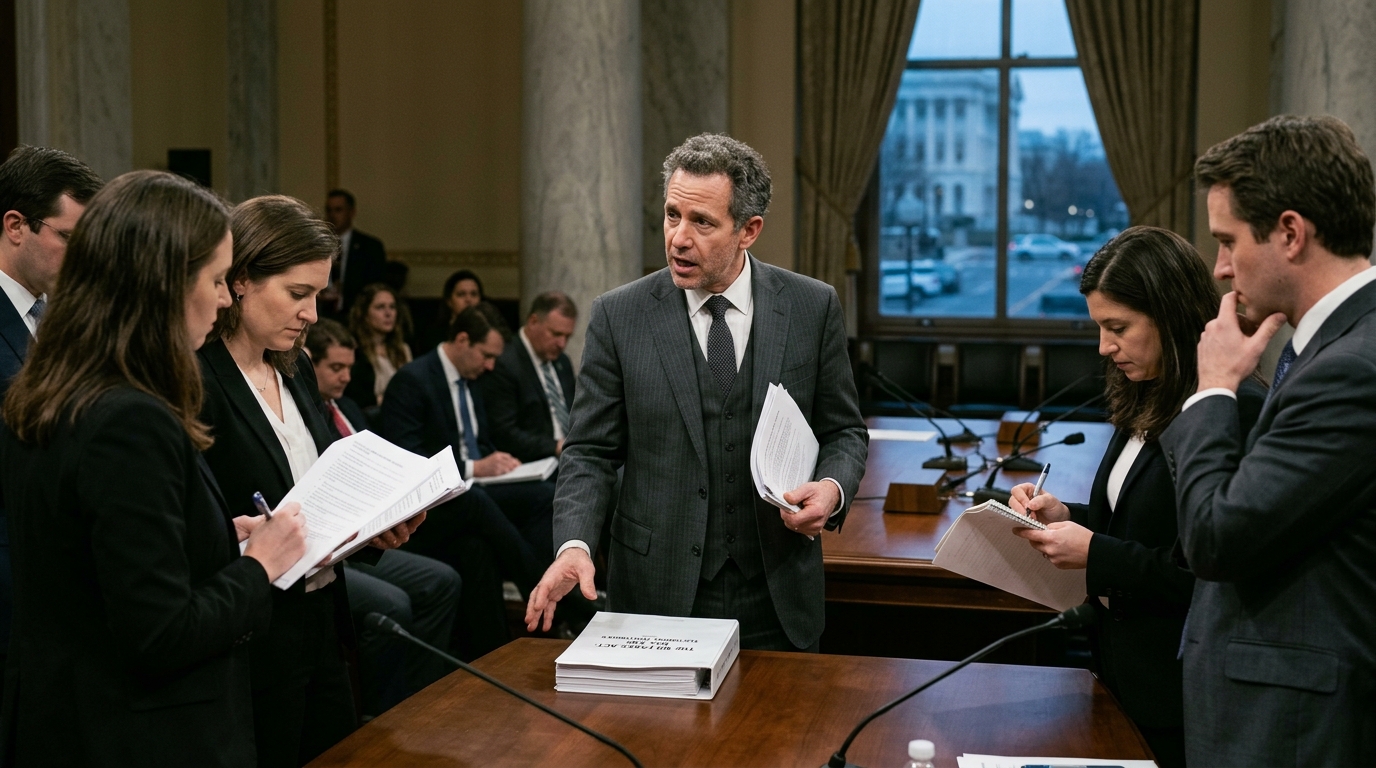
"We are not just protecting our image; we are protecting the very essence of human labor in the digital age," a creators' representative stated during a recent Senate hearing.
In conclusion, the NO FAKES Act represents the foundation of a new social contract between humans and machines. As technology continues to evolve, legislation must remain flexible, ensuring that innovation does not sacrifice human dignity and individual rights at the altar of efficiency and profit.