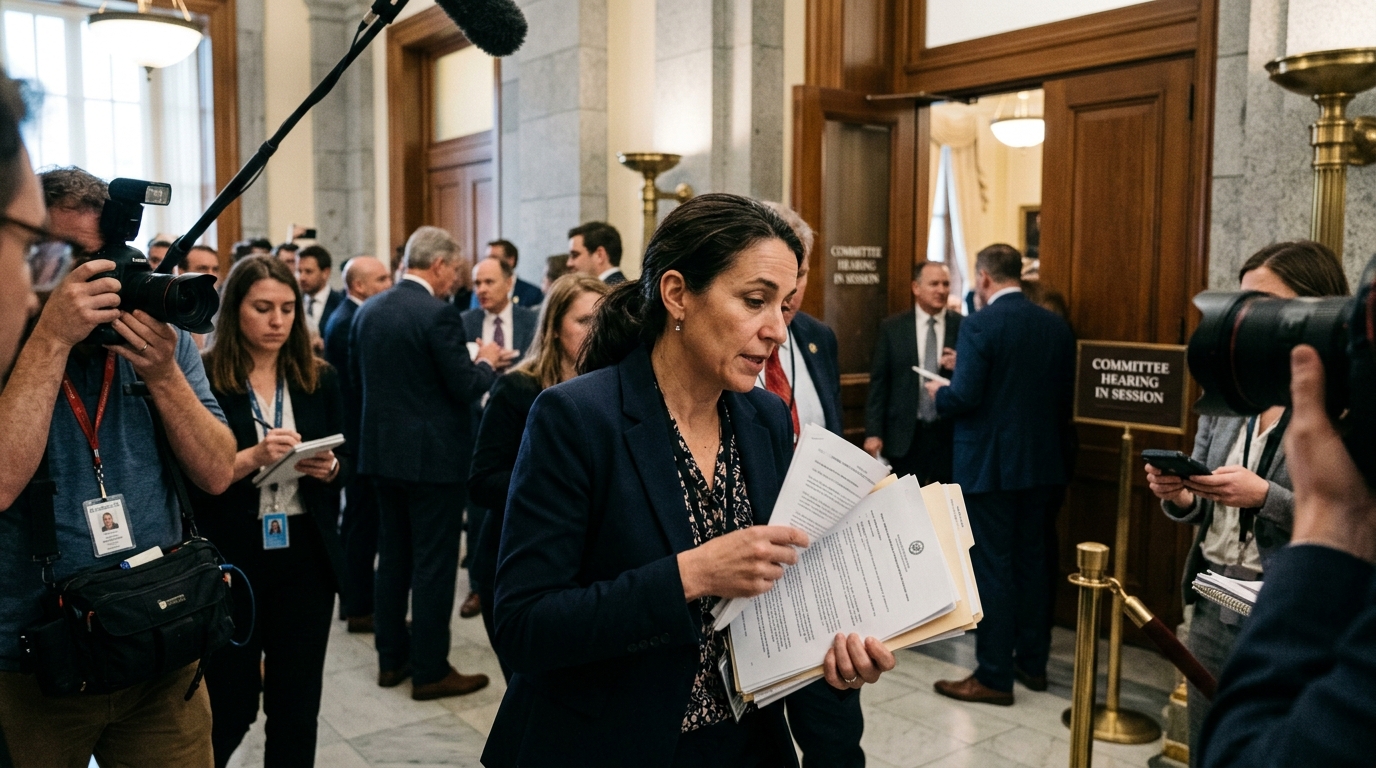
This week marks a pivotal moment in the U.S. legislative calendar as Congress intensifies its focus on the multifaceted implications of Artificial Intelligence (AI). Through a series of proposed bills, lawmakers are attempting to bridge the gap between two disparate yet equally urgent needs: accelerating scientific breakthroughs to save lives and fortifying the societal fabric against the unpredictable risks posed by advanced algorithms. The core message is clear: AI is no longer a distant promise but a present force that demands immediate and prudent governance.
AI as a Weapon Against Cancer
One of the most promising bills discussed this week is the "AI for Cancer Research Act." This initiative aims to provide critical resources and foster deeper collaboration between the National Cancer Institute (NCI) and technology leaders. The logic underpinning the legislation is the strategic utilization of vast federal datasets to train machine learning models capable of identifying early-stage tumors that often elude the human eye.
Analysts emphasize that AI's integration into oncology could dramatically reduce the development time for new life-saving drugs. Instead of decades of clinical trials, algorithms can simulate cellular responses to various chemical compounds, paving the way for truly personalized medicine. However, the bill also mandates stringent protections for patient data, ensuring that genetic information does not become a commodity for corporate exploitation without explicit and informed consent.
Protecting Minors from Generative Chatbots
Contrasting the medical optimism is a growing legislative alarm regarding the mental health and physical safety of minors. Congress is weighing stricter regulations for generative AI chatbots, which are increasingly ubiquitous in the lives of children and adolescents. New legislation seeks to compel tech companies to integrate "digital guardrails" that prevent models from generating harmful content, such as self-harm instructions or sexually predatory material.
The inherent risk of chatbots lies in their ability to cultivate an illusion of intimacy with the user. For a minor, interaction with an AI can evolve into a form of emotional dependency or manipulation. The proposed regulations demand that platforms implement more robust age-verification methods and provide parents with comprehensive oversight tools for their children's interactions. The challenge remains striking a balance between protection and privacy, while avoiding heavy-handed censorship that could stifle the educational potential of these tools.
Transparency and Federal Governance
Finally, a significant portion of this week's legislative activity concerns how the government itself utilizes AI. The "Transparency in Federal AI Act" requires federal agencies to disclose the algorithms used in decision-making processes that affect citizens—ranging from loan approvals to asylum applications. The lack of transparency in algorithmic "black boxes" has fueled fears of systemic bias and unvetted errors that could have life-altering consequences for the public.
In conclusion, the legislative initiatives of this week reflect a maturation of political thought regarding technology. Artificial Intelligence is no longer viewed as a monolithic phenomenon but as a multidimensional tool requiring specialized interventions. Whether in an oncologist's lab or a teenager's bedroom, the law is being summoned to define the boundaries within which technology serves humanity, ensuring that progress does not come at the cost of our fundamental values.