In a move signaling a new era in tech regulation, Meta has agreed to pay up to $17 billion over 10 years to settle claims brought by a bipartisan coalition of state attorneys general. The states argued that the company deliberately designed Facebook and Instagram to hook children, misleading the public about harms and improperly collecting data from children under 13.
Product Design as a Legal Battlefield
The case, consolidated in Oakland, California, bypassed the traditional protections of Section 230, which shields platforms from liability for user-posted content. Instead, states targeted the company’s own product design: infinite scroll, autoplay, and push notifications. They alleged these features were engineered to exploit adolescent vulnerabilities to maximize engagement.
The prosecution’s theory was distilled into four words: Meta’s business model was to “hook” users, “hold” them, “harvest” their data, and “hide” the harm. This strategy focused on the architecture of the platform rather than the speech it hosts.
Mandatory Changes for Teens
Subject to court approval, users under 18 will see significant shifts in their experience:
- A default two-hour daily time limit, liftable only by parents.
- Access blocks between midnight and 6 a.m.
- Muted notifications during school hours (8 a.m. to 3 p.m.).
- The option for a non-algorithmic, non-personalized feed.
- Blocks on cosmetic surgery and extreme makeup filters.
A Competitive Gambit
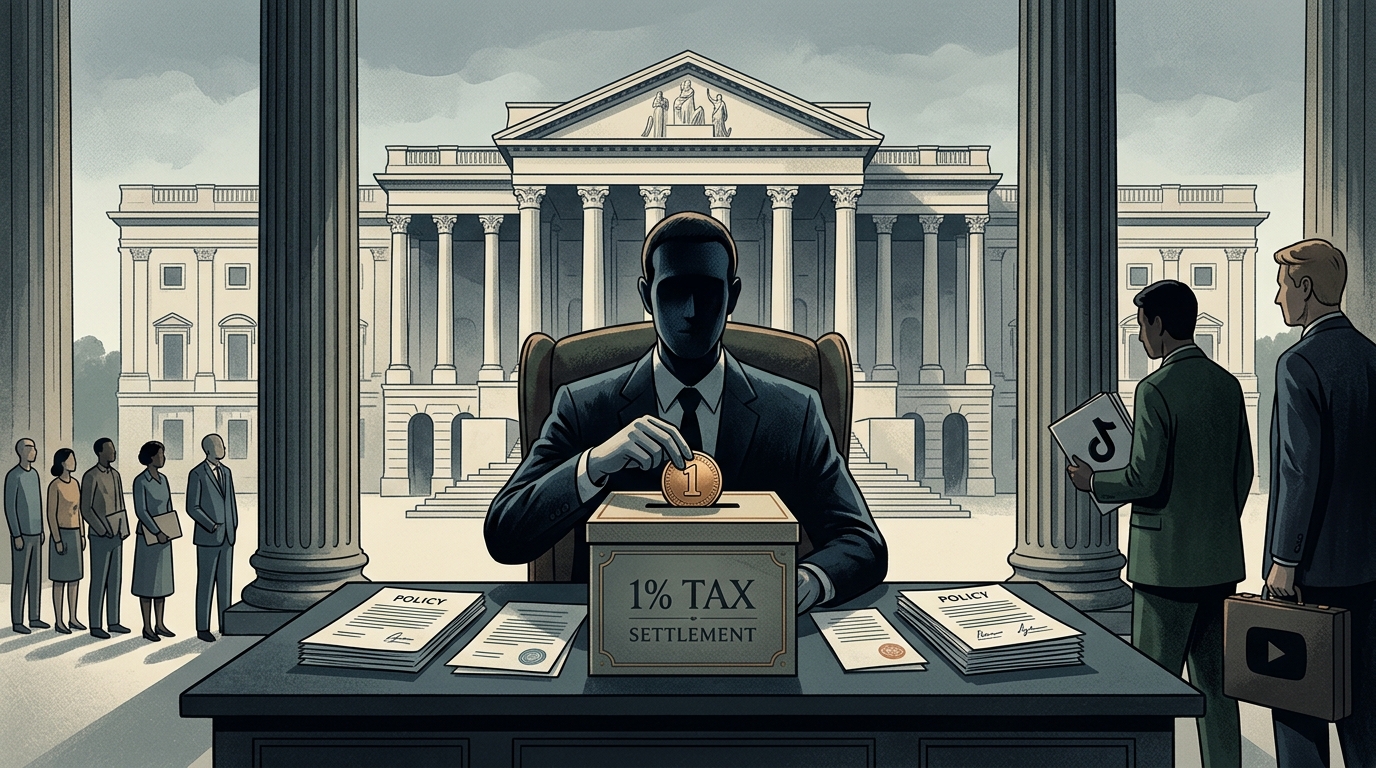
While $17 billion sounds vast, it represents roughly 1% of Meta's expected revenue over the decade. More significantly, Meta has structured the penalty as a tool against its rivals. About $5.3 billion of the settlement is only released if YouTube and TikTok sign on to comparable protections and payments. By doing so, Meta is effectively attempting to level the economic playing field, ensuring that if its products become less profitable due to safety constraints, its competitors must bear the same burden.