In an era where Artificial Intelligence (AI) is fundamentally reshaping our interaction with the digital world, the Fiber Broadband Association (FBA) has sent a clear message to the U.S. Federal Communications Commission (FCC): current broadband standards are already obsolete. This move is not merely a technical intervention but a strategic call to overhaul national infrastructure, as the rise of Generative AI and real-time applications demands a new network architecture.
The Inadequacy of the 100/20 Mbps Standard
Only recently, the FCC updated the official definition of broadband to 100 Mbps download and 20 Mbps upload. While this change was hailed as progress over the old 25/3 standard, the FBA argues that this asymmetry is now a bottleneck. Artificial Intelligence does not just function by downloading data; it relies on massive data flows from the user to the cloud for model training, voice processing, and real-time image analysis.
According to the FBA, sticking to low upload speeds creates a "digital ceiling" that will stifle innovation. The association suggests that the FCC should target symmetrical speeds of at least 1 Gbps, emphasizing that fiber optics is the only technology capable of supporting such demands in the long run. The concern is that if government subsidies continue to flow toward technologies that barely meet the 100/20 threshold, we will soon find ourselves with an infrastructure that needs replacing again in less than five years.
AI as a Catalyst for Change
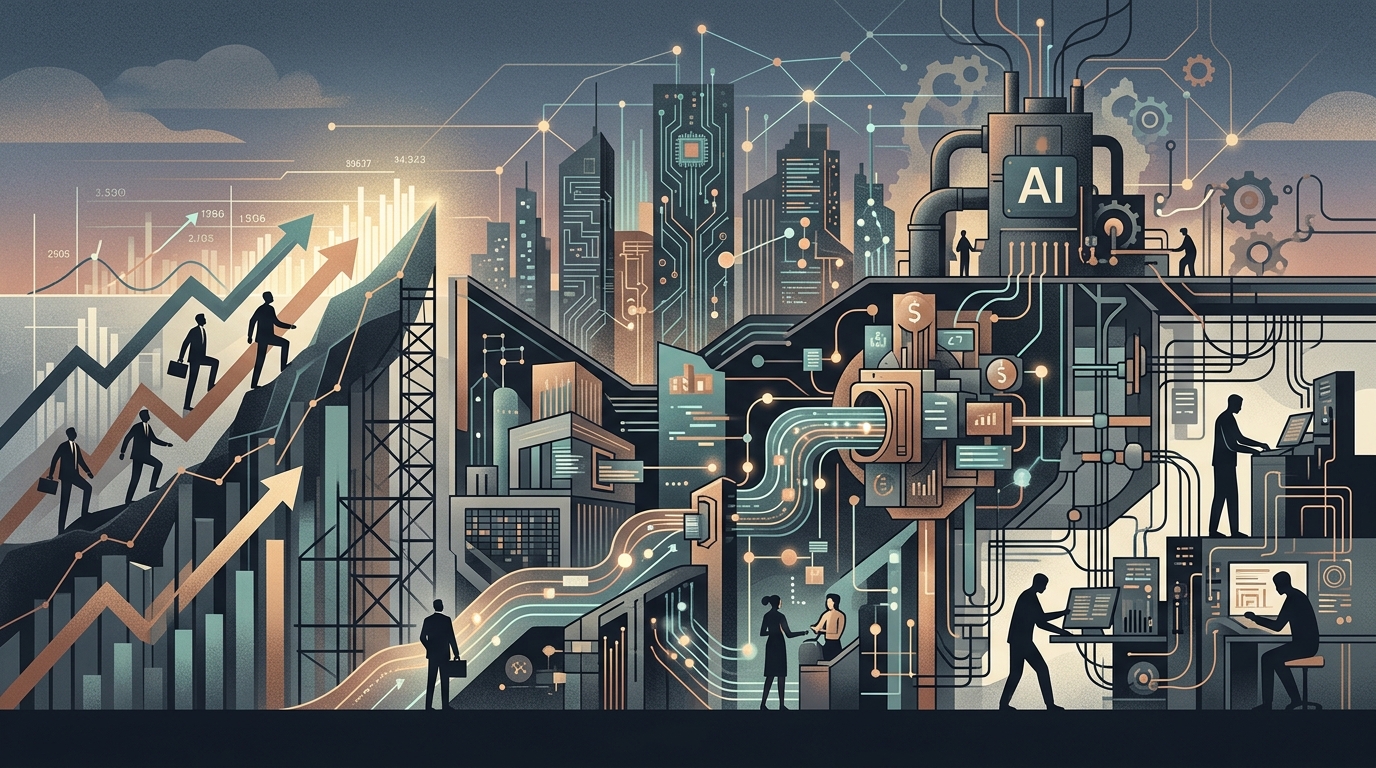
The rise of AI is shifting the paradigm of bandwidth consumption. In the past, the internet was primarily a medium for content consumption (streaming, browsing). Today, with AI integration into every facet of daily life—from autonomous vehicles to medical diagnostic tools—the network is becoming a two-way nervous system. Latency and a lack of upload bandwidth are becoming critical failure points.
- Symmetry: The need for equal upload and download speeds is now imperative for businesses using AI for big data analysis.
- Edge Computing: Processing data close to the source requires robust fiber connections to ensure responsiveness.
- Future-Proofing: Investing in fiber today prevents the cost of retrofitting copper or wireless networks later.
"We cannot build tomorrow's network with yesterday's specifications. AI requires an infrastructure that is not just fast, but capable of evolving alongside algorithmic demands," the FBA stated in its report.
The Social and Economic Stakes
The debate over speeds is not just technical; it is deeply political and economic. If the FCC keeps standards low, there is a risk of creating a new "AI divide." Urban areas with private fiber investments will reap the benefits of AI, while rural areas relying on subsidized, lower-spec networks will be left behind. This could lead to inequality in access to education, healthcare, and employment, as AI tools become essential for productivity.
Furthermore, the economic return on fiber infrastructure investments is well-documented. The FBA argues that communities with access to gigabit connections show higher GDP growth rates and talent attraction. In a world where digital sovereignty is directly linked to technological superiority, lowering broadband goals could undermine a nation's overall competitiveness.
Conclusion: Toward a New Digital Strategy
The FCC is now called upon to balance the cost of immediate implementation with the long-term benefit of a robust infrastructure. Pressure from the FBA highlights an inevitable truth: Artificial Intelligence is not just another application, but a new layer of reality that requires "deep" and fast connections. The FCC's decision will determine whether the digital economy of the next decade runs at the speed of light or stumbles over outdated copper wires and wireless limitations.