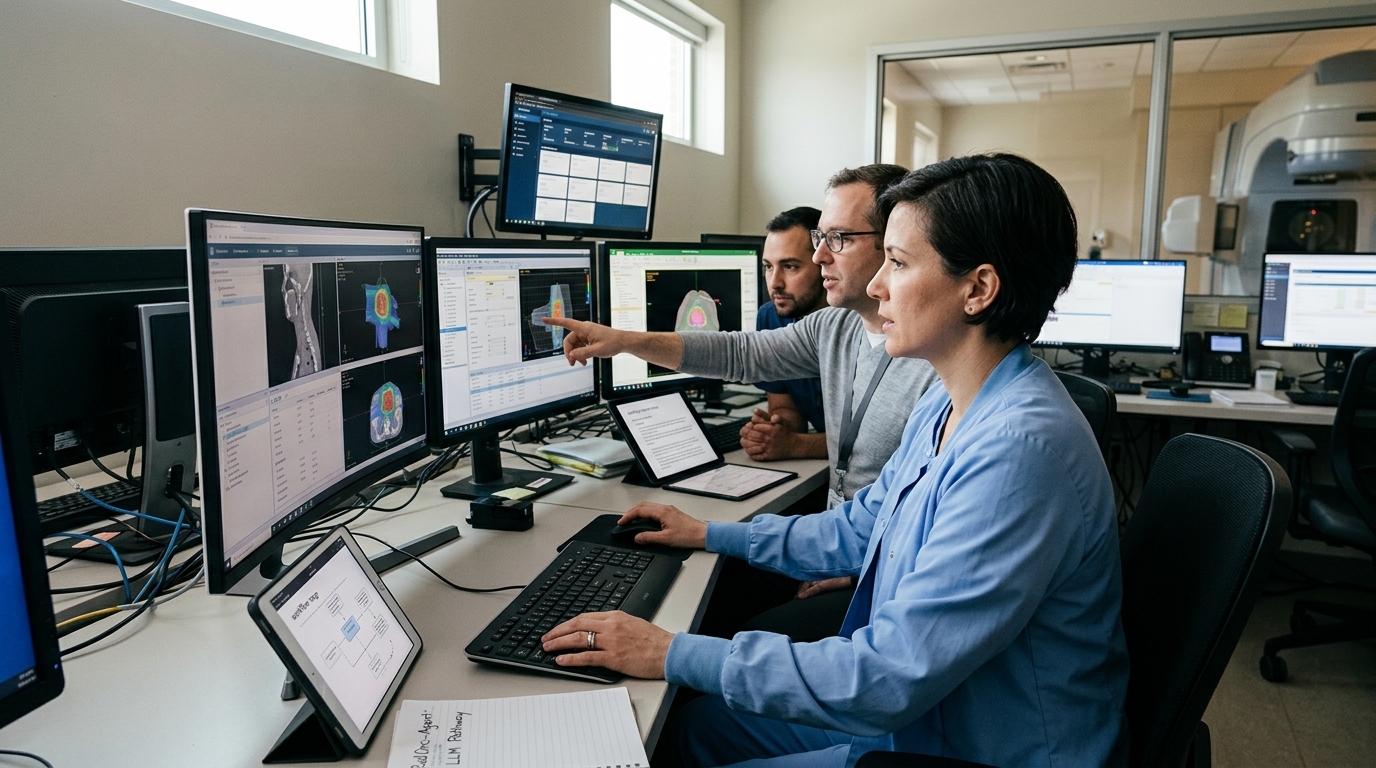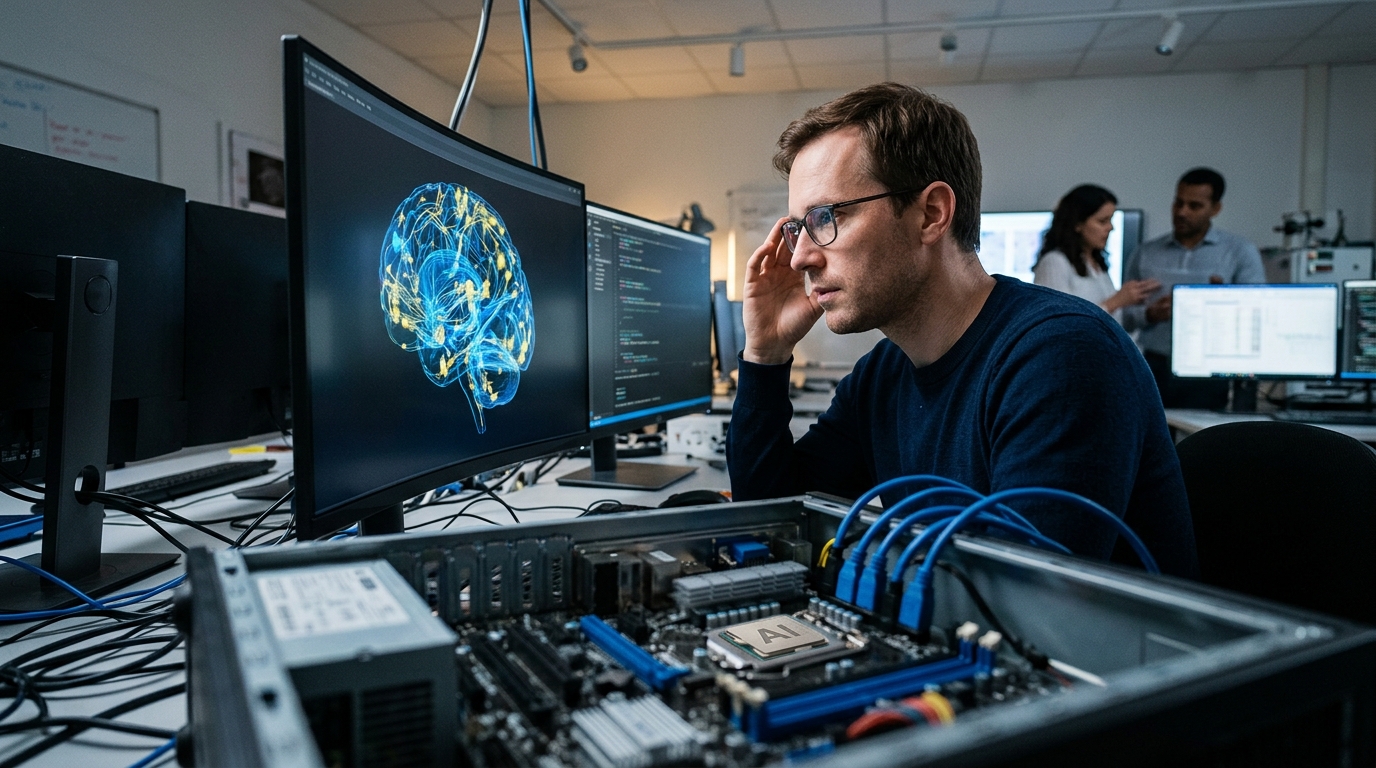
Psychiatry, perhaps more than any other medical specialty, has always relied on the art of observation and interpretation. For decades, the diagnosis and treatment of mental disorders were grounded in subjective patient reports and clinical intuition. However, as we navigate through 2026, Artificial Intelligence (AI) is beginning to offer something that once seemed unattainable: the ability to identify "signals" within the vast noise of human behavior and biology.
Digital Phenotyping: Traces of the Soul in Data
One of the most promising applications of AI in psychiatry is known as "digital phenotyping." By analyzing data from smartphones and wearables—such as typing speed, sleep quality, physical activity, and social interaction patterns—algorithms can detect subtle changes that precede a manic episode or a depressive crash. This passive monitoring allows for intervention before a patient’s condition deteriorates significantly.
Unlike traditional methods, where a patient visits a doctor once a month, AI offers a continuous stream of information. This creates a safety net, particularly for individuals with bipolar disorder or schizophrenia, where early recognition of symptoms is critical for preventing hospitalization and ensuring long-term stability.
Language as a Mirror of the Mind: The Power of NLP
Natural Language Processing (NLP) serves as the AI's "scalpel" in the psychiatric field. By analyzing how a patient speaks or writes, algorithms can detect markers of cognitive decline, psychosis, or suicidal ideation that might elude even the most seasoned clinician. Word choice, syntax, and the emotional prosody of the voice are rich sources of diagnostic data.
- Detecting semantic coherence to predict the onset of psychotic episodes.
- Analyzing acoustic features to assess the severity of clinical depression.
- Automated triage in crisis hotlines to identify high-risk individuals instantly.
These tools are not intended to replace psychiatrists but to function as "diagnostic co-pilots," providing objective metrics that enhance clinical decision-making and reduce diagnostic variability.
Precision Psychiatry and the Black Box Challenge
Psychiatry has long suffered from a "trial and error" approach to pharmacotherapy. AI can analyze genomic data, brain imaging, and patient histories to predict which medication will be most effective for a specific individual. This shift toward "Precision Medicine" promises to reduce the time required to find the right treatment, sparing patients from unnecessary side effects and prolonged suffering.
However, the integration of AI raises profound ethical questions. The "black box" problem—the inability to fully understand how an algorithm arrives at a specific diagnosis—remains a significant hurdle for clinical trust. Furthermore, data privacy in a field as sensitive as mental health is paramount. Patients must be certain that their digital footprints will not be weaponized by insurance companies or employers.
Conclusion: A New Collaboration
The future of psychiatry is not about replacing humans with machines; it is about fostering a hybrid approach. AI can process massive datasets and isolate the "signal," allowing the psychiatrist to focus on what the machine cannot provide: empathy, moral judgment, and the therapeutic alliance. The challenge for the medical community in 2026 is to integrate these tools in a way that promotes health without sacrificing the human connection that lies at the heart of healing.