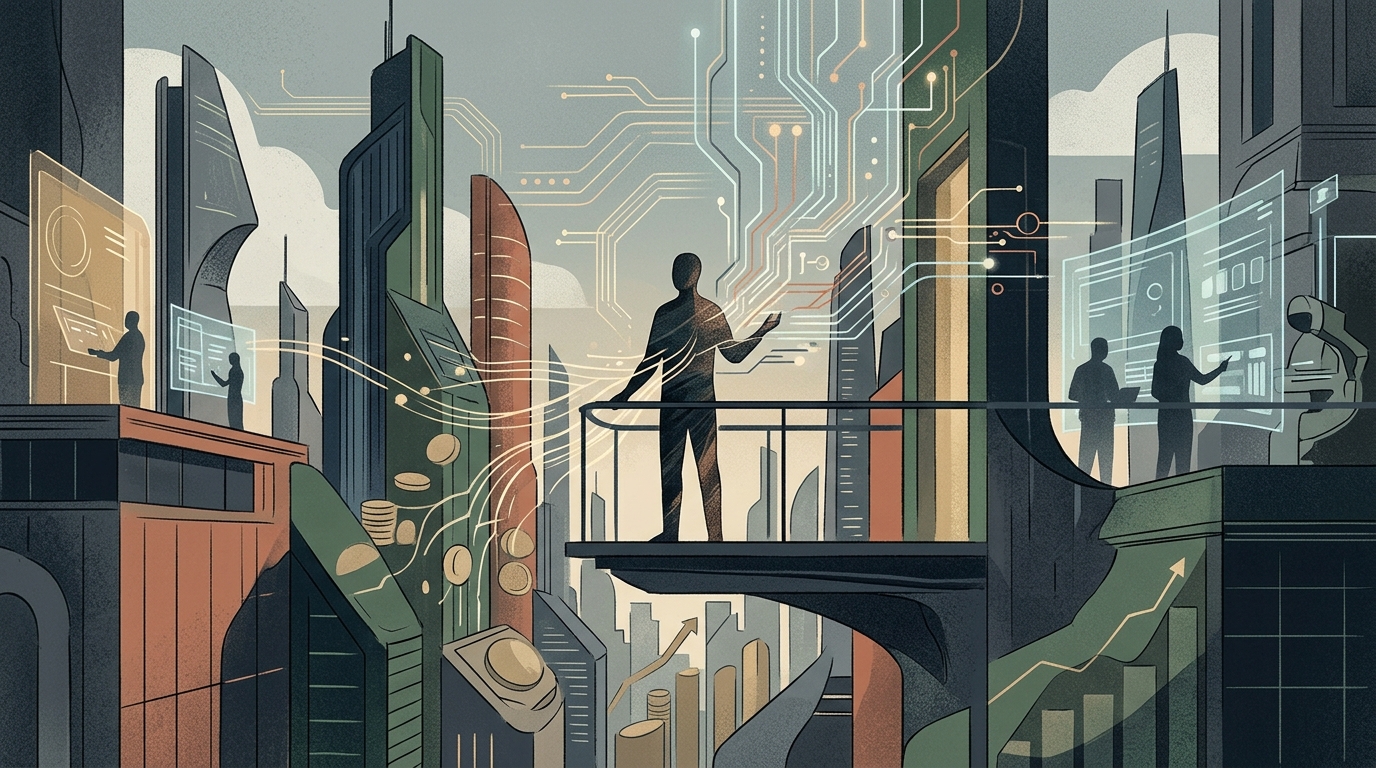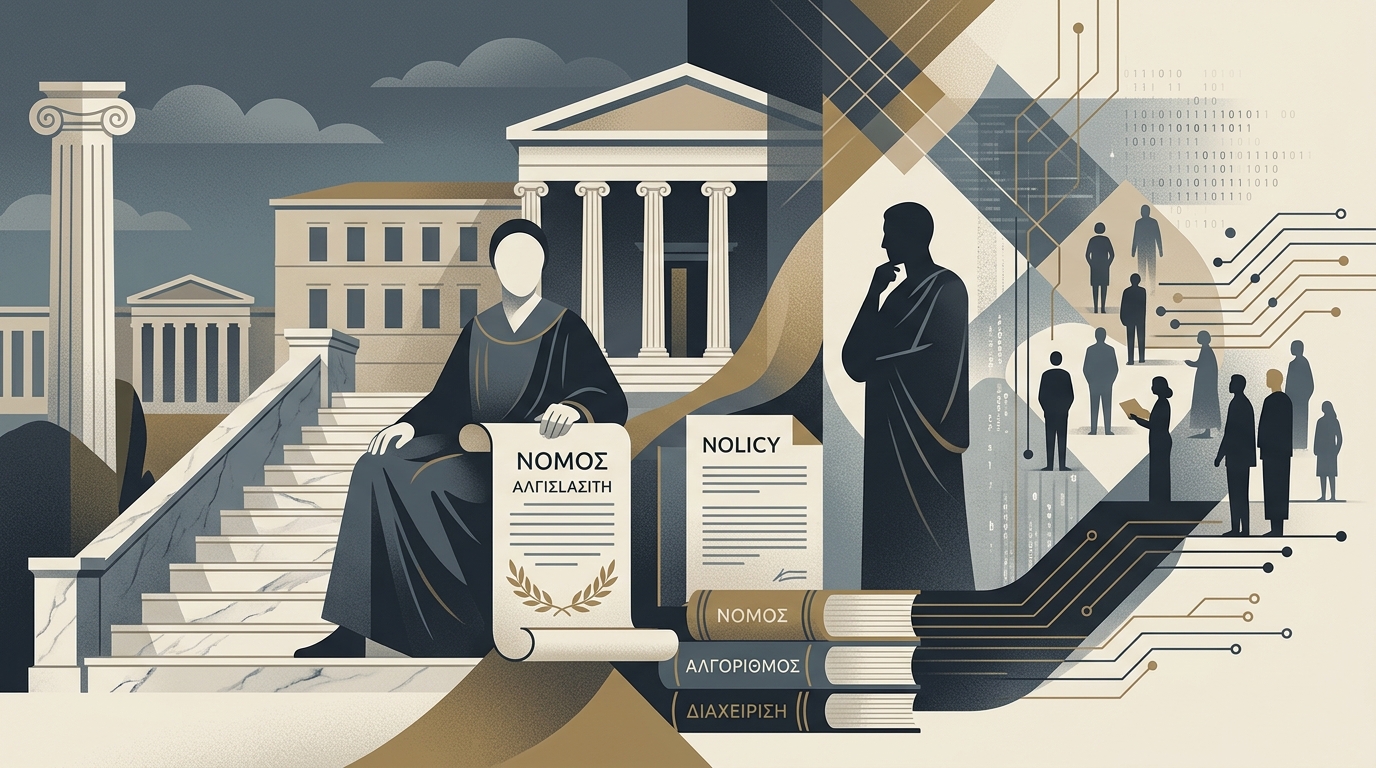
In the global Artificial Intelligence (AI) race, dominated by billion-dollar investments and massive compute power, Cyprus is charting a distinct course. Dimitris Skouridis, Chief Scientist for Research, Innovation, and Technology of the Republic of Cyprus, outlines a model built on specialization, agility, and, most importantly, "Trusted AI."
From Strategy to Implementation
Cyprus’s national strategy for 2032 does not aim to compete with giants like the US or China in terms of infrastructure scale. Instead, the National AI Taskforce is focused on building a governance architecture that converts strategic planning into measurable outcomes. According to Mr. Skouridis, implementation requires:
- AI officers within public administration and priority projects.
- Data infrastructure and regulatory sandboxes.
- Compliance with the EU AI Act and GDPR.
- Skill development and adoption mechanisms for businesses.
"The fundamental question is not what AI can do, but what it should do for Cyprus and its citizens," Mr. Skouridis emphasizes, noting that success will be measured by improvements in services and productivity.
Trust as an Exportable Asset
A central pillar of this strategy is transforming Cyprus into a hub for Trusted AI. This involves creating a new value chain around algorithmic system auditing, model risk management, and regulatory compliance. Leveraging its strong ecosystem of legal and advisory services, Cyprus aims to export this specialized expertise globally.
In tourism, the "Smart Tourism 2032" vision promotes Cyprus as a "Living Lab," where AI personalizes the visitor experience, smartly connecting them with local gastronomy and culture.
The Greece-Cyprus Technology Corridor
Collaboration with Greece is a critical factor in achieving scale. Through Pharos-CY, Cyprus utilizes the infrastructure of the Greek AI Factory "Pharos" and gains access to the "Daedalus" supercomputer. Mr. Skouridis proposes the creation of a tangible research and innovation corridor featuring joint testbeds and research programs, serving as a European bridge to the Eastern Mediterranean and the Middle East.
"The small scale of Cyprus can be transformed from a limitation into an advantage, reducing the time from idea to testing and from testing to market."
In conclusion, the Chief Scientist points out that the "Human+" model—the combination of human judgment and creativity with the analytical power of AI—is what will define the country's technological future by 2030.