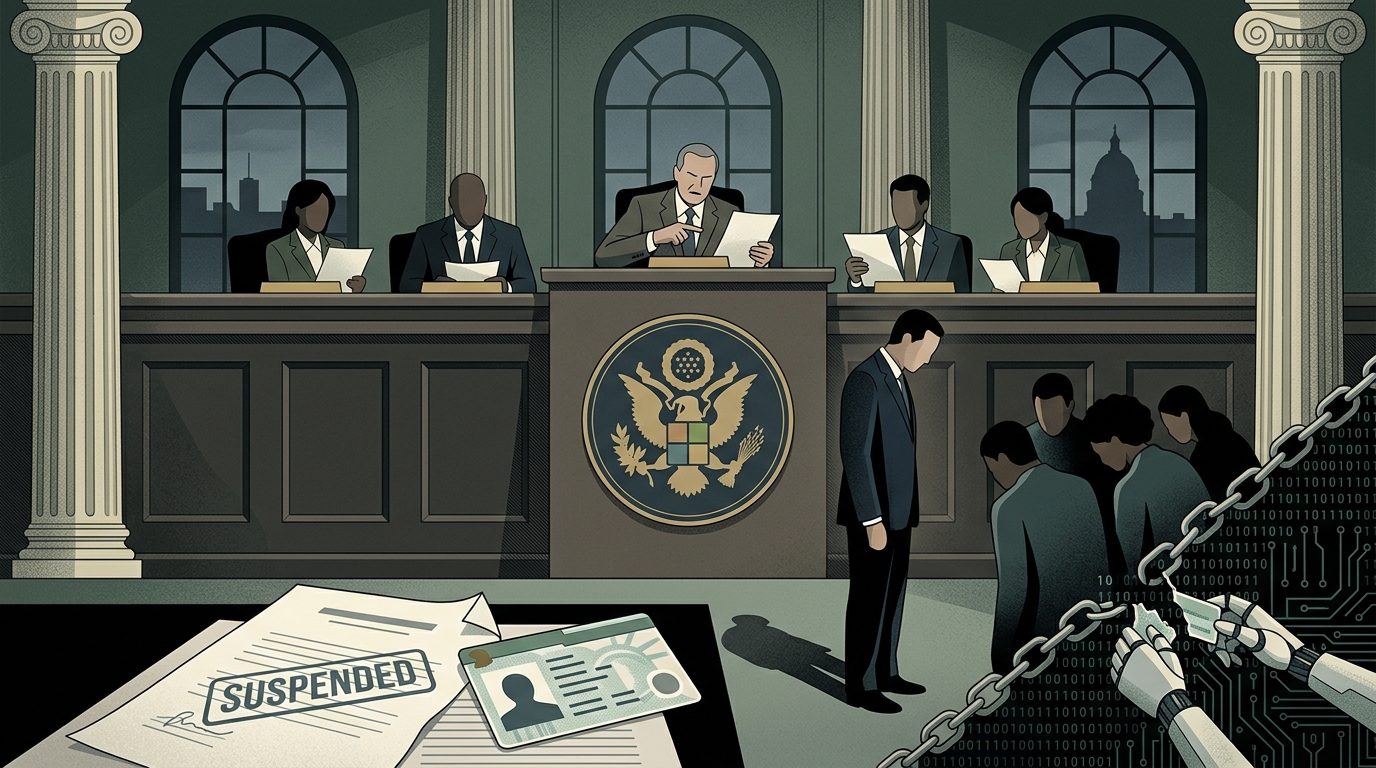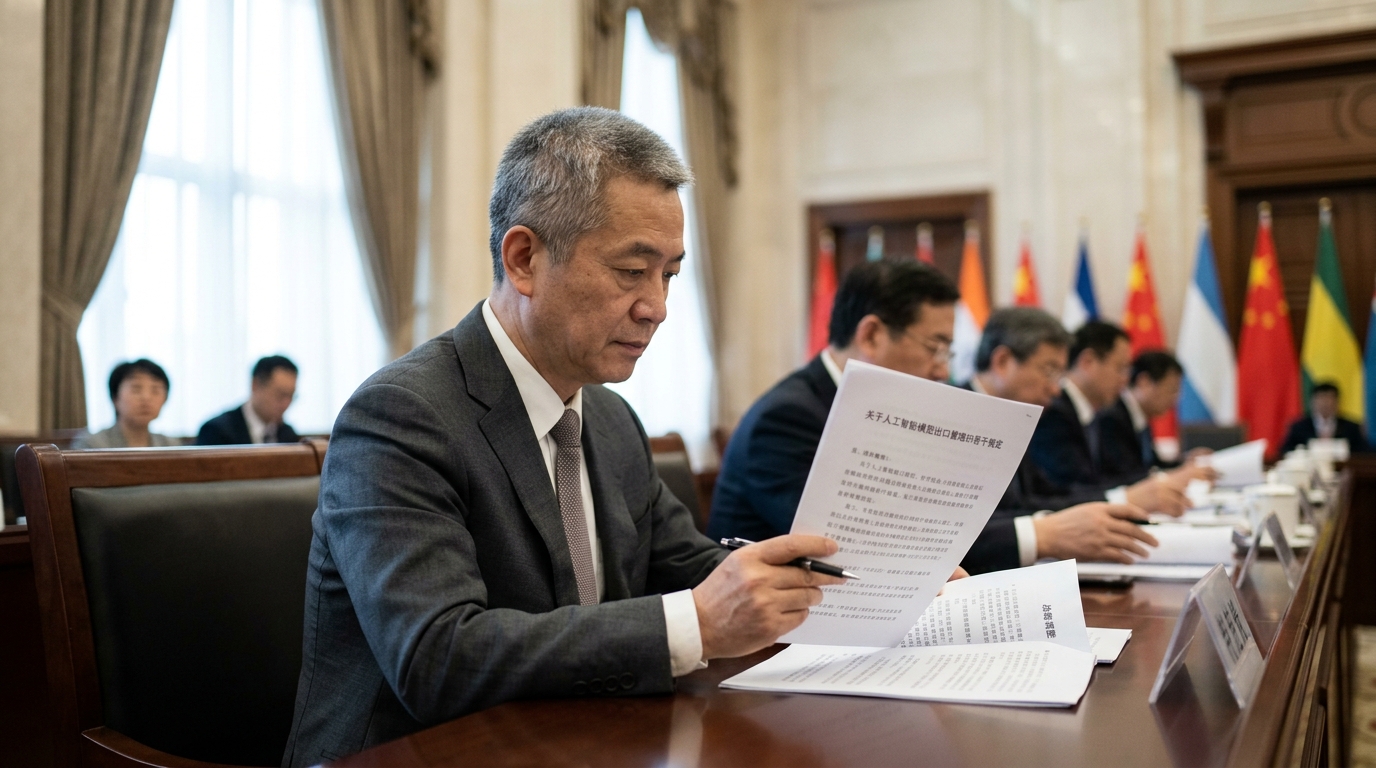
In a move poised to redraw the global technological landscape, the Chinese government has initiated formal discussions with tech giants Alibaba and ByteDance to impose stringent restrictions on the export of advanced Artificial Intelligence (AI) models. This development, occurring amidst heightening geopolitical rivalry with the United States, signals a transition from aggressive global expansion to a "digital fortress" strategy.
National Security as the Paramount Priority
According to sources close to the Ministry of Industry and Information Technology (MIIT) and the Cyberspace Administration of China (CAC), this move is not merely a bureaucratic procedure but a fundamental shift in doctrine. Beijing is increasingly concerned that the unfettered distribution of powerful Large Language Models (LLMs), such as Alibaba’s Qwen or the models powering ByteDance’s Doubao, could allow foreign powers to gain insights into Chinese proprietary technology or use these tools for purposes contrary to the nation’s interests.
These restrictions are expected to primarily target open-source models, which Alibaba has championed in recent years to compete with Meta’s Llama. The ability for any developer worldwide to download and modify a Chinese-developed model is now viewed by Beijing as a potential leak of strategic capital that must be plugged to maintain a competitive edge.
Alibaba and ByteDance Under the Microscope
The selection of these specific companies is deliberate. Alibaba, through its Cloud division, has built one of the world's most comprehensive AI suites, offering solutions ranging from data analytics to generative AI. On the other hand, ByteDance, the parent company of TikTok, possesses arguably the most sophisticated recommendation algorithms and natural language processing tools, which have proven immensely effective in the global marketplace.
- Alibaba: The Qwen model has been lauded for its proficiency in the Chinese language and mathematics, often outperforming Western counterparts in specific benchmarks.
- ByteDance: The rapid ascent of Doubao in China and the integration of AI tools across its international apps make it a central player in the export of digital culture and technology.
The talks are focused on establishing a licensing framework where any model export or API access granted to foreign entities would require explicit regulatory approval. This mirrors the restrictions the U.S. has placed on exporting advanced semiconductors (chips) to China, creating a reciprocal cycle of technological protectionism.
Geopolitical Implications and the 'Digital Cold War'
Analysts interpret China’s move as a direct response to Washington’s pressure. While the U.S. attempts to restrict China’s hardware capabilities, Beijing is responding by limiting software and intellectual property. This fragmentation of the global AI ecosystem threatens to create two parallel technological universes that do not communicate or collaborate.
"We are not just witnessing a trade war; we are seeing the birth of a Digital Iron Curtain. Artificial Intelligence is no longer viewed as a tool for progress, but as the ultimate weapon of sovereignty," noted a high-ranking tech executive in Beijing.
For the global developer community, this translates to less collaboration and more hurdles for innovation. China, which previously aimed to become the global AI leader by 2030, now appears to prioritize absolute domestic control over global soft power and market influence.
The Future of Innovation Under Restriction
The implications for Alibaba and ByteDance will be financially significant. Losing access to international clients and facing difficulties in attracting global talent—who often seek to work on projects with the widest possible impact—could hamper their growth trajectories. However, the Chinese government seems willing to pay this price to ensure that the "heart" of its digital economy remains within its borders.
In conclusion, these talks represent the dawn of a new era where AI is as strictly regulated as nuclear technology or strategic raw materials. The globalization of technology, as we have known it for the past decade, is seemingly coming to an end, replaced by an era of national algorithms and sovereign knowledge.