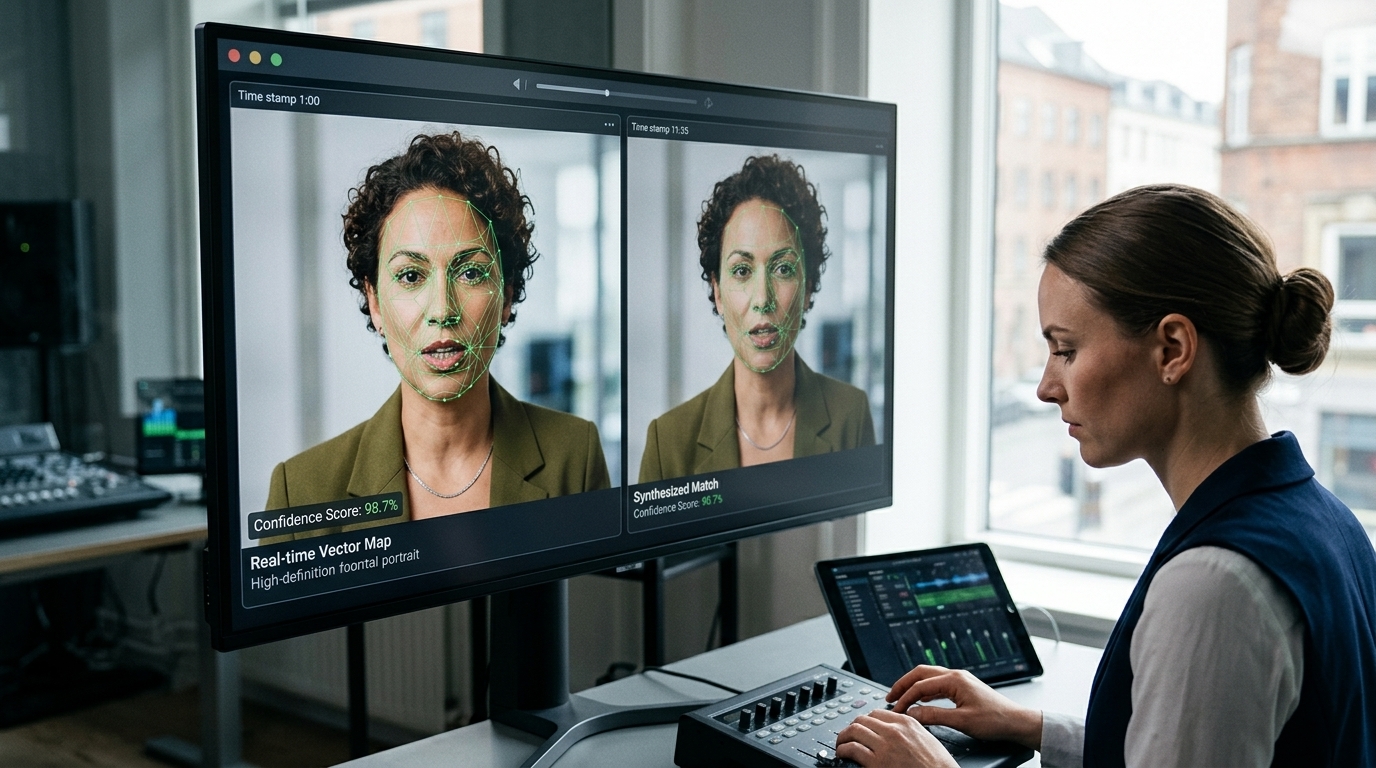
In an era where artificial intelligence can replicate human appearance and speech convincingly, Denmark is moving to establish a new legal framework. The country's government is advancing a bill that would prohibit the distribution of realistic deepfakes when shared without the subject's consent.
Protecting Digital Identity
Minister of Culture Zenia Stampe is set to present the proposal on Thursday. The bill aims to shield citizens from digital impersonation, covering not only physical appearance and voice but also imitations of artistic performances shared without authorization.
This initiative reflects concerns regarding the impact of manipulated content. The Danish government argues that these videos and images can harm the individuals they depict and fuel misinformation, making it harder for the public to distinguish between reality and fabrication.
Platform Accountability and Exceptions
A central pillar of the proposal is placing pressure on major tech platforms. According to Stampe, a primary goal of the bill is to compel companies to remove such material quickly, thereby limiting the damage caused by its spread.
However, the bill acknowledges the necessity of freedom of expression. Explicit exceptions are provided for:
- Caricatures and parodies
- Satirical content
- Works of social or political critique
The challenge for authorities will be defining the line between creative expression and realistic imitation without consent. If approved by the Danish parliament, the bill is expected to come into effect around the turn of the year.