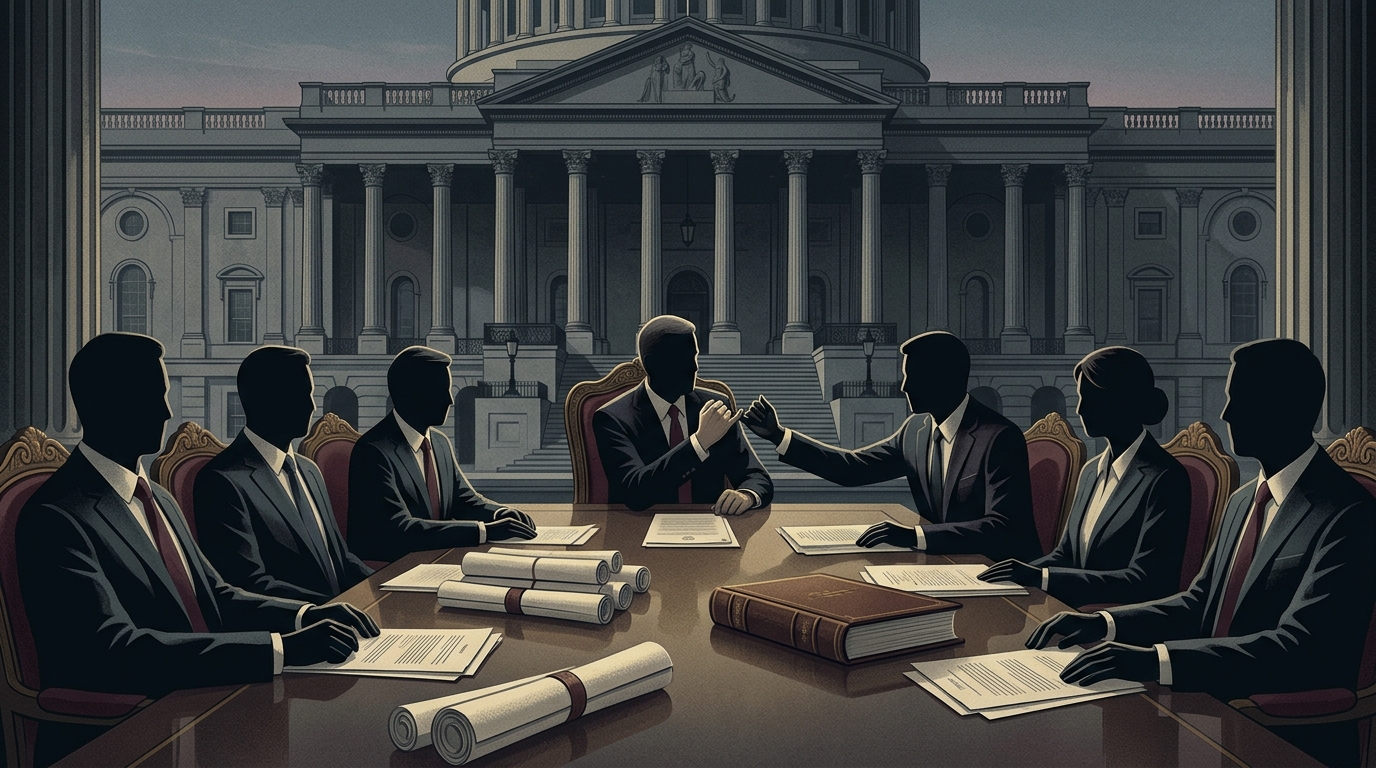
The image was both historic and prophetic. On the sidelines of the G7 Summit, amidst heads of state and traditional diplomats, three men who have never been elected by any populace held the most coveted seats at the table: Sam Altman of OpenAI, Demis Hassabis of Google DeepMind, and Dario Amodei of Anthropic. Their invitation to France was not a mere formal gesture, but an admission that Artificial Intelligence (AI) has ceased to be a technological issue and has become the central pillar of global geopolitical and economic power.
The Rise of 'Post-State' Diplomacy
For decades, the G7 focused on arms control, monetary stability, and trade agreements. Today, the agenda has shifted radically. The presence of these AI 'gurus' underscores the fact that decisions made in the boardrooms of San Francisco and London affect the stability of democracies more than many legislative acts. French President Emmanuel Macron, seeking to establish France as Europe's AI hub, acted as the host for a new form of dialogue, where 'compute' is treated as the new oil.
Discussions were not limited to the risks of disinformation or safety. Instead, they focused on 'Sovereign AI'—the ability of nations to develop their own models without depending exclusively on American infrastructure. However, the irony remains: to discuss their independence, G7 leaders had to consult the heads of the companies that hold a monopoly on the knowledge and resources required to build such systems.
Regulation vs. Innovation: The Delicate Balance
One of the most critical points of the meeting was the implementation of the European Union's AI Act in conjunction with the more flexible approaches of the US and the UK. Sam Altman, who has previously expressed reservations about strict regulation, now seems to be adopting a more collaborative role, recognizing that social license is essential for OpenAI's survival. On the other hand, DeepMind's Demis Hassabis emphasized the need for 'scientific diplomacy,' arguing that AI can solve problems ranging from climate change to drug discovery, provided there is a stable framework for public-private cooperation.
- The need for global safety standards that legally bind corporations.
- Managing the massive energy demand required by next-generation data centers.
- Protecting intellectual property and jobs in the era of mass automation.
- The systemic competition with China, which is developing its own closed AI ecosystem.
"We are no longer discussing whether AI will change the world, but who will be holding the steering wheel of this change," a senior G7 diplomat remarked during the proceedings.
Geopolitical Chess and the Power of Compute
France, through Macron, is attempting to balance attracting investment from American giants while boosting local players like Mistral AI. The presence of Dario Amodei of Anthropic was particularly significant, as his company is marketed as the 'ethical alternative,' focusing on model alignment with human values. This differentiation creates a new field of competition: which company will earn the trust of governments to handle sensitive national data?
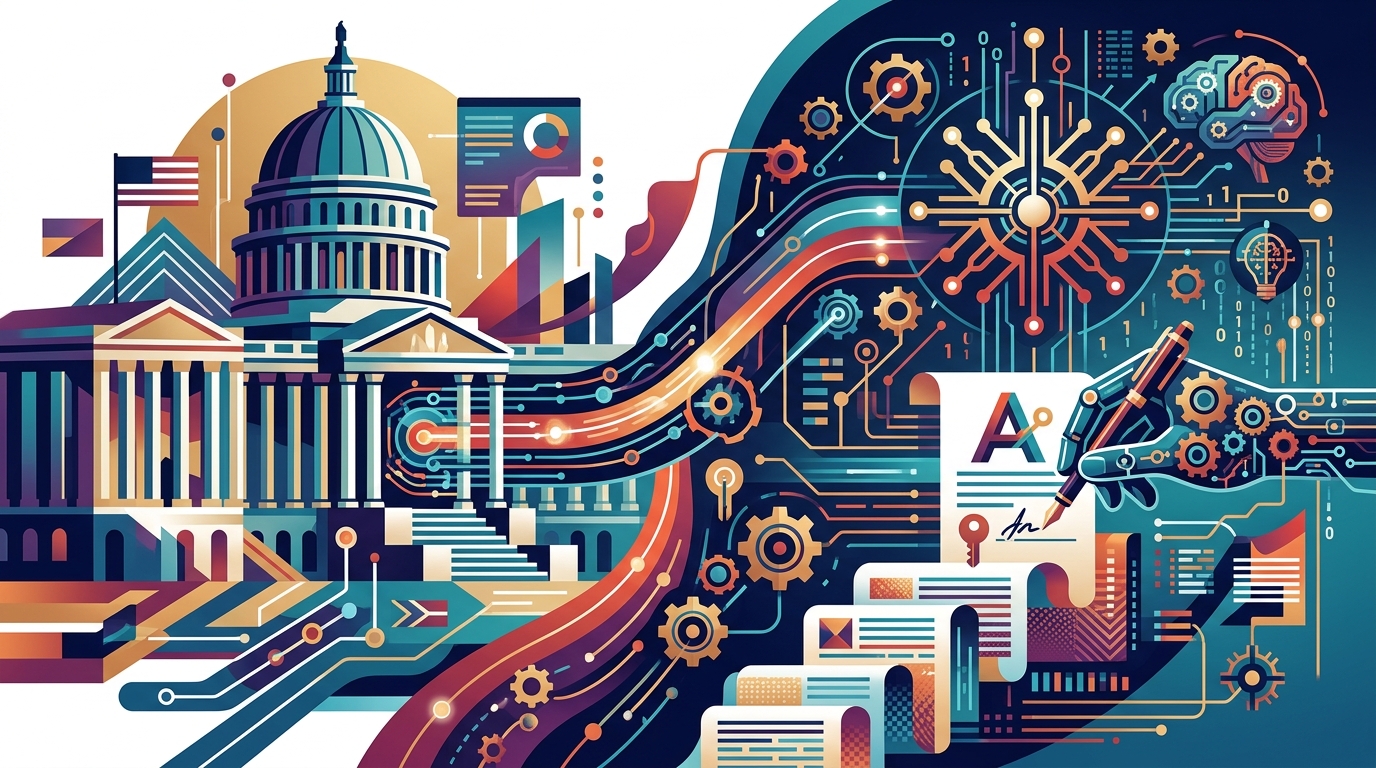
The conclusion from the French Summit is clear: Big Tech CEOs have become the new 'shadow Foreign Ministers.' Their power does not stem from armies, but from parameters and neural networks. As the G7 moves toward 2027, the integration of these figures into governance institutions seems irreversible, raising profound questions about the future of representative democracy in a world increasingly governed by algorithms.