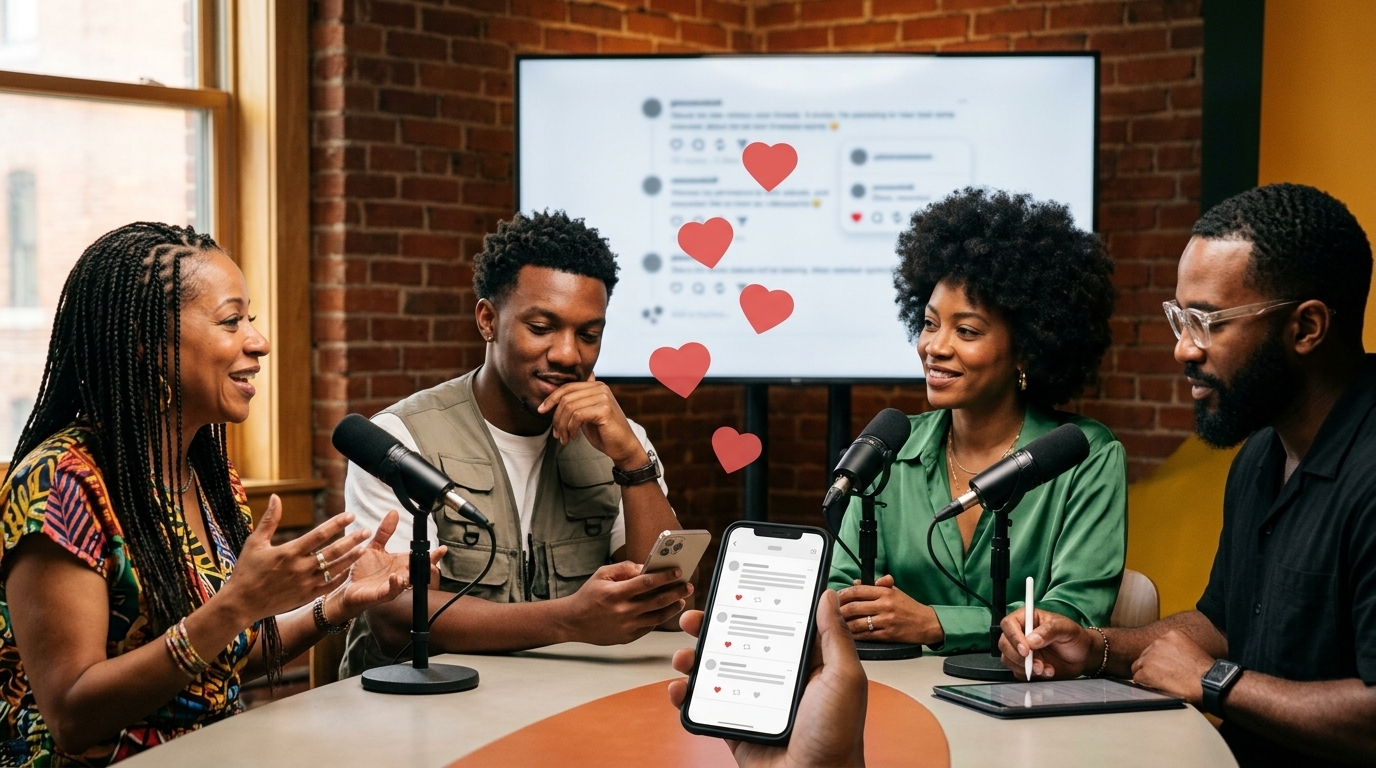
The digital community that once defined Twitter's cultural zeitgeist has found a new home. Following a Mississippi grand jury's decision not to bring criminal charges in the death of Nolan Wells, an 18-year-old Black college student, Threads users erupted in a collective demand for justice, highlighting deep-seated racial hypocrisies in America.
The Exodus from X and the Ascent of Threads
For over a decade, Twitter served as an indispensable tool for movements like Black Lives Matter. However, the platform's acquisition by Elon Musk in 2022 and its rebranding to X shifted the landscape. Increased hate speech and a lack of content moderation pushed many influential voices toward the exit. Cultural critic Jamilah Lemieux describes the current experience of posting on X as "screaming into the void."
Meta’s Threads has emerged as the primary spiritual successor. While alternatives like Bluesky (and its Blacksky feed) or the image-focused Spill exist, Threads holds the advantage of scale. With over 500 million monthly active users, it is on track to rival X’s 557 million, bolstered by its seamless integration with the wider Meta ecosystem of 6 billion users.
Cultural Influence and Real-World Impact
The community on Threads isn't solely focused on heavy social issues. From quippy commentary on HBO Max’s "Lanterns" to debates over public education sparked by journalist Nikole Hannah-Jones, the platform mirrors the multifaceted nature of the original Black Twitter. Phil Lewis, an editor at HuffPost, notes that Threads is beginning to move the needle on news. A prime example was the two-week blackout in Gary, Indiana; national media only paid attention after the story gained traction on Threads and TikTok.
Despite this thriving ecosystem, caution remains. As one user noted, while the community is strong, users should not get too comfortable on an app owned by a major corporation. Rianna Walcott, an assistant professor at the University of Maryland, suggests that for Black users, the ability to find each other at volume often outweighs the overall politics of the platform provider.