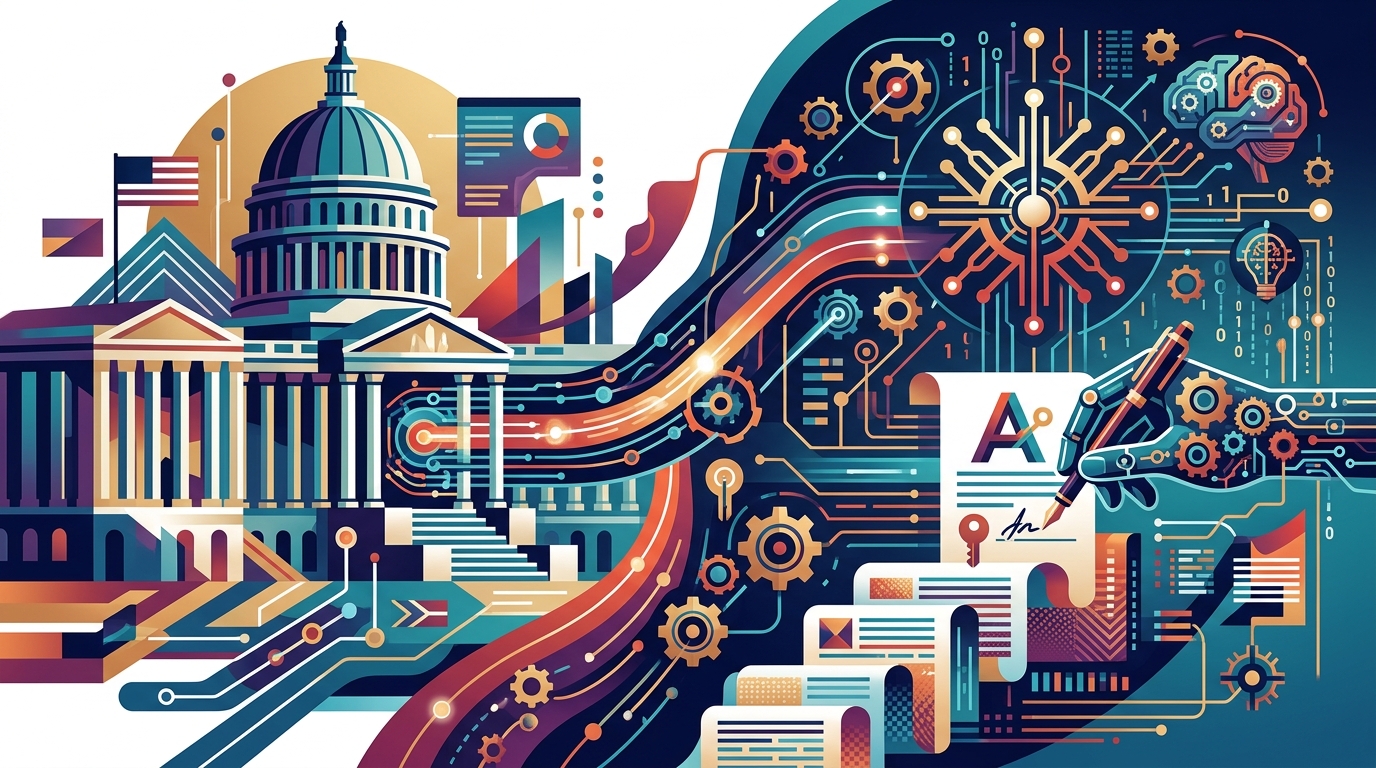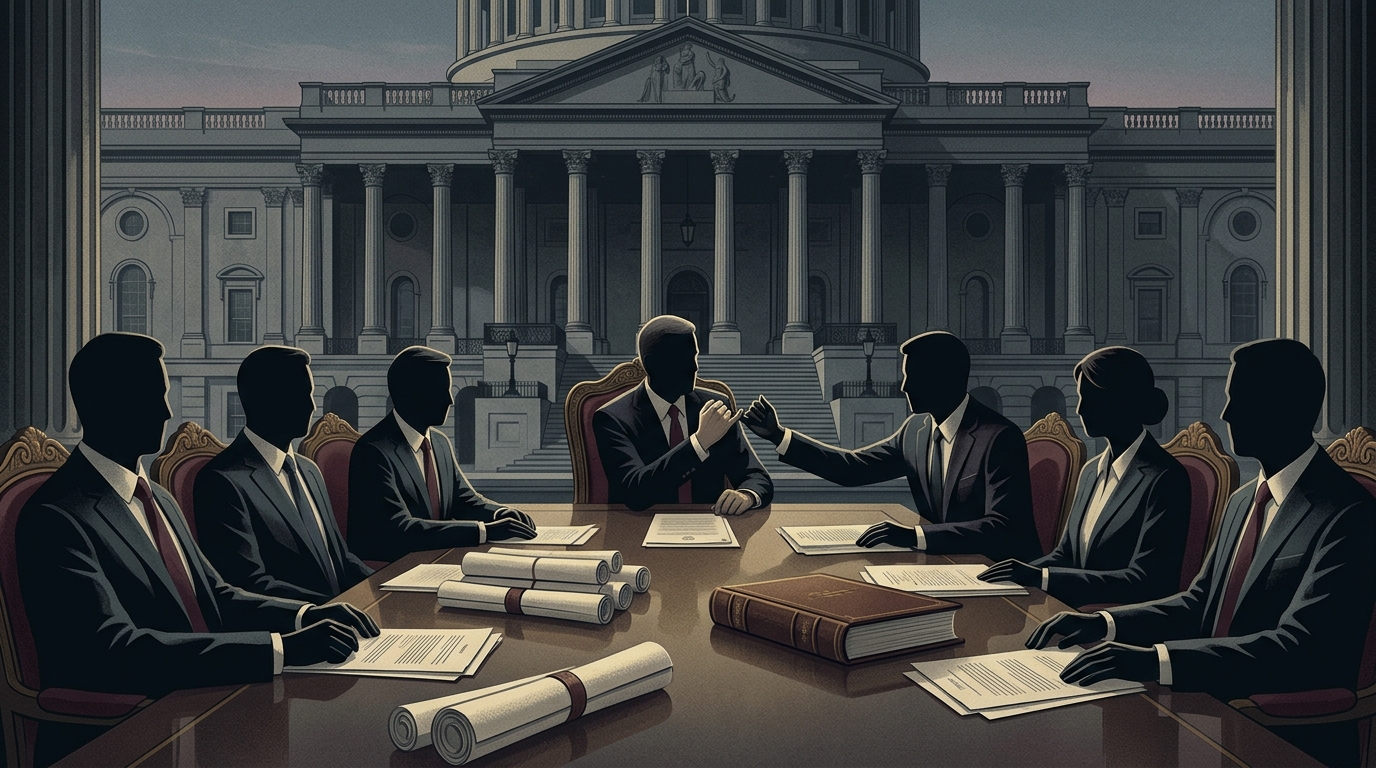
On Tuesday, executives from Google, Anthropic, Meta, OpenAI, xAI, and Nvidia signed “The White House Accord on Super Intelligence,” following a luncheon hosted by President Donald Trump. Described by Trump as an act of “tremendous self-regulation,” the agreement stops short of the sweeping AI legislation that some industry insiders have previously advocated for.
The Four Pillars of the Accord
The statement outlines several actions companies “should implement”:
- Establish robust internal controls to monitor model capabilities and prevent rogue behavior or unintended hacking.
- Empower internal teams to manage safety work and remediate issues.
- Partner with external monitors for independent assessments of safety protocols.
- Ensure boards of directors establish committees to receive reports on these efforts.
FTC Scrutiny and Enforcement Skepticism
The voluntary nature of the commitments follows a pattern of similar pledges, such as the 2025 agreements in the UK and South Korea. However, the Federal Trade Commission (FTC) is reportedly planning a “sweeping probe” into several AI firms, including OpenAI and Anthropic, regarding consumer protection concerns. While failing to honor public promises can violate the FTC Act as a deceptive practice, historical remedies often consist of companies promising not to misrepresent their services in the future.
The accord also surfaces amid efforts by AI labs to seek antitrust exemptions for safety coordination. Despite the presence of FTC Chairman Andrew Ferguson at the luncheon, some experts, including former FTC public affairs head Douglas Farrar, doubt that the administration will permit aggressive legal action against these major tech firms following the high-profile meeting.