June 15, 2026, will likely be recorded in the annals of financial history as the peak of an era where Artificial Intelligence (AI) ceased to be viewed as a speculative promise and transformed into the ultimate pillar of the global capital market. According to recent data analyzed by Wall Street, the capital raising directly related to AI infrastructure, development, and application has shattered all previous records, surpassing even the glory days of the internet boom in the late 90s.
The Shift from Software to Hard Infrastructure
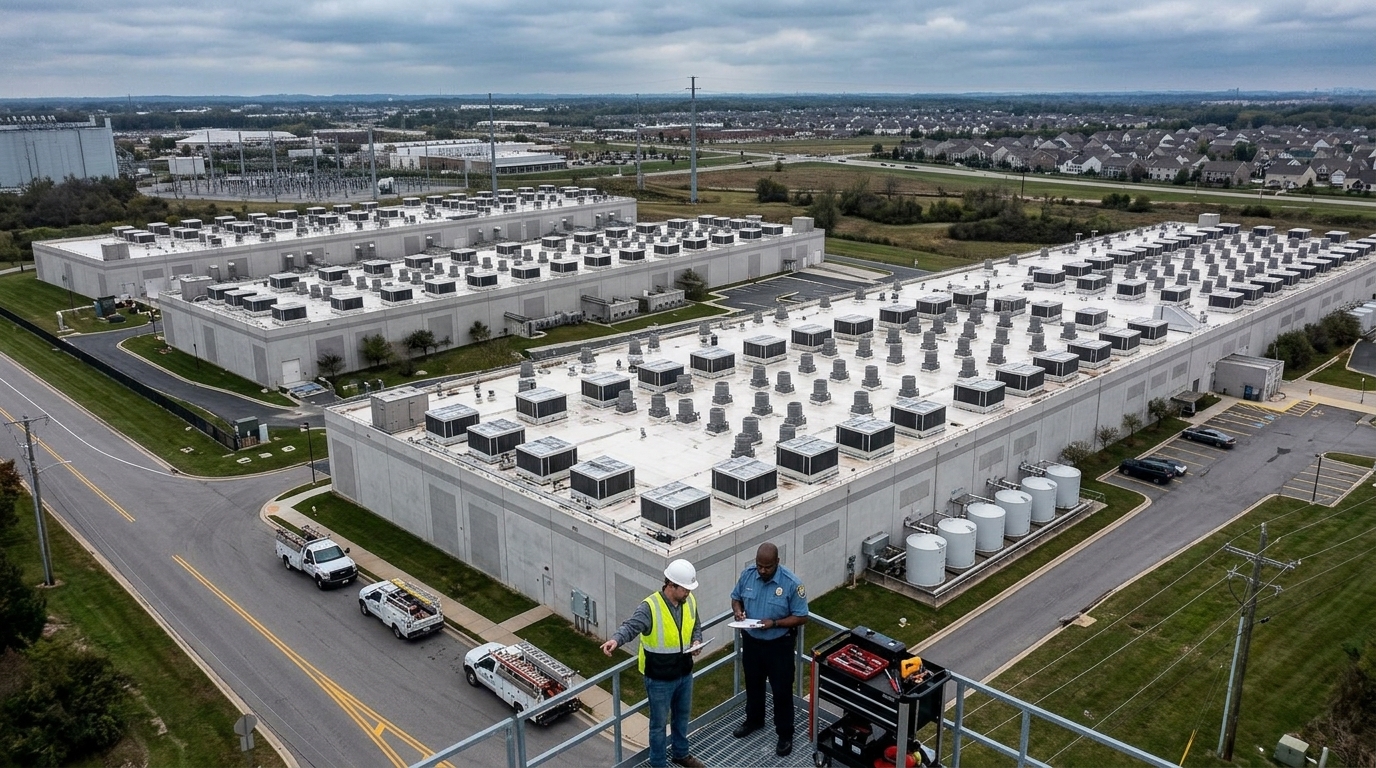
What distinguishes the current situation from previous technological explosions is the nature of the investments. We are no longer talking just about apps and software startups. Big capital is being directed with surgical precision toward physical infrastructure: semiconductors, massive data centers, and, most importantly, the energy required to power them. New York's investment giants realize that AI is not a "product" sold on a shelf, but a new form of utility, akin to electricity.
- Semiconductors: Demand for specialized chips has led to a 45% increase in capital expenditures compared to last year.
- Energy: "Green" bonds issued to power AI hubs are seeing record-time oversubscriptions.
- Sovereign Wealth Funds: State investment funds from the Middle East and Asia are aggressively entering Wall Street, seeking to secure a stake in the computing power of the future.
The Geopolitical Stakes and Market Dominance
While the epicenter remains in New York, the ripples of this capital influx reach as far as Europe and the Mediterranean. Investors are increasingly looking at regional hubs that can provide the necessary stability and connectivity. The Greek market, for instance, has become a focus for data center expansion, reflecting a broader trend where geography and energy policy become as important as code and algorithms in the AI race.
"We are not just experiencing a bubble, but a structural restructuring of global capitalism around computational intelligence," says a senior investment banking executive.
Concentration Risks and the Monopoly Threat
However, the record concentration of capital brings serious questions. Wall Street seems to be betting on a few and powerful players. The so-called "Magnificent Seven" (now perhaps even fewer) control the lion's share of liquidity, creating an environment where competition becomes extremely difficult for newcomers. Concerns about an "AI bubble" remain in the back of analysts' minds, but the earnings reported by industry leaders seem to justify, for now, the sky-high valuations.
In conclusion, Wall Street is not just absorbing capital; it is being re-educated into a new reality. A company's ability to integrate AI is no longer an advantage but a prerequisite for survival. The coming months of 2026 will show whether this massive concentration of wealth will lead to a new era of productivity or if excessive expectations will collide with the reality of limited physical resources and energy constraints.