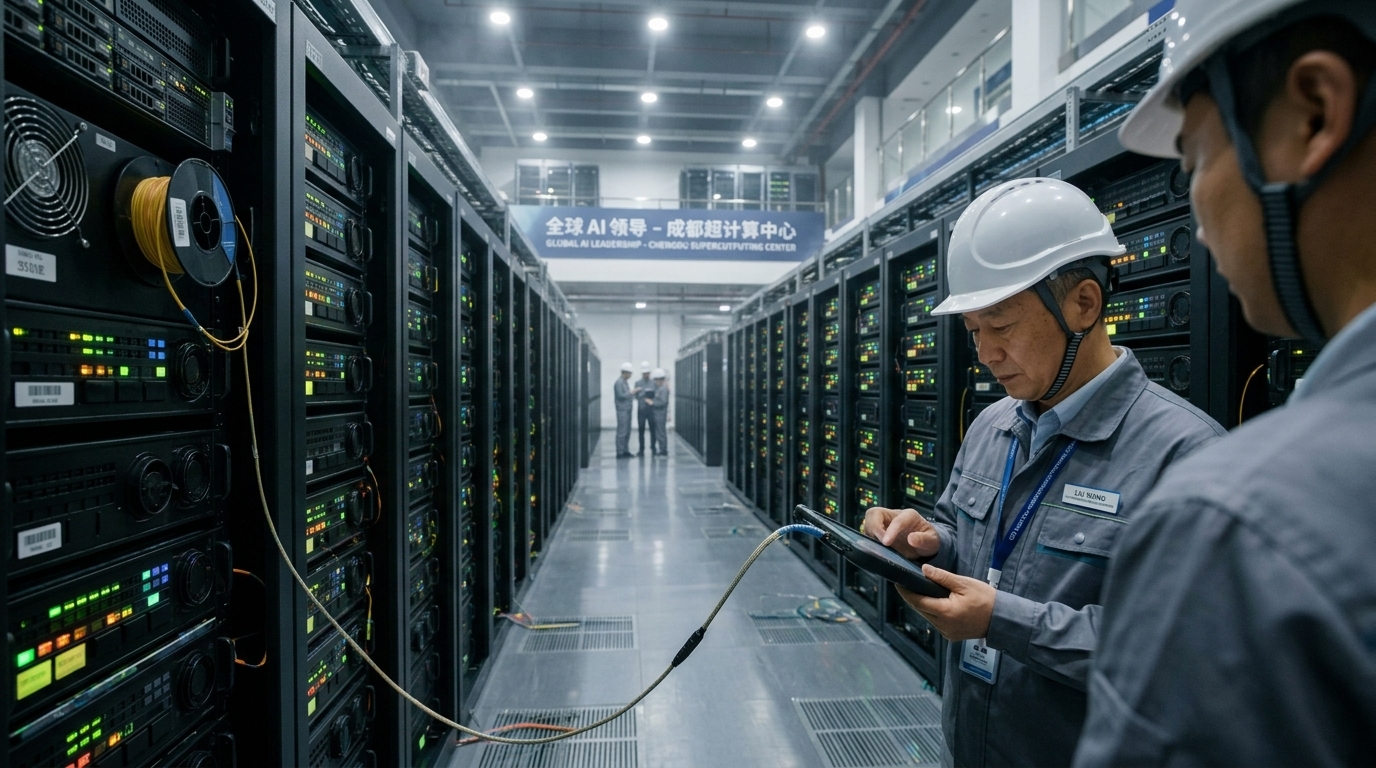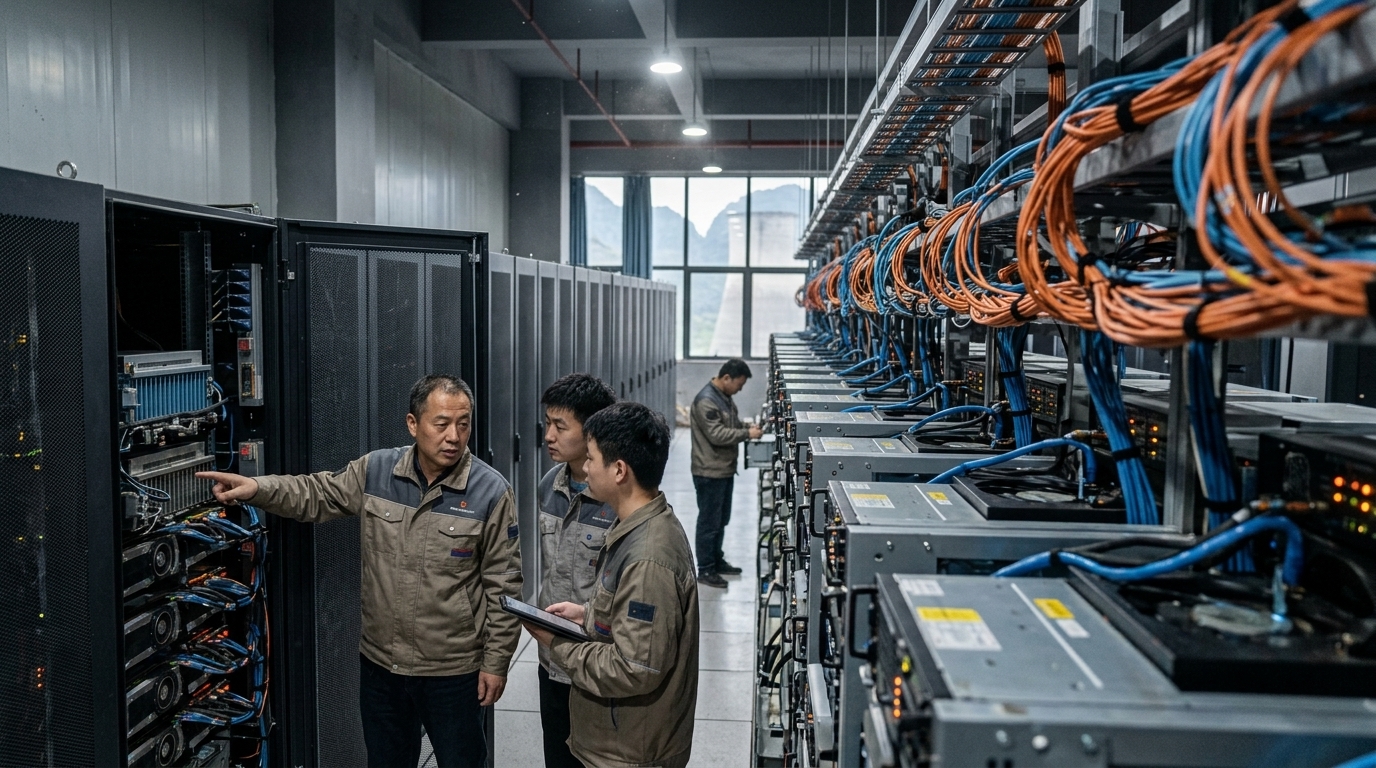
Just two hours west of Beijing by train, amidst the rolling grasslands and ancient cinder cones of Inner Mongolia, the city of Ulanqab has become the hottest destination for AI data center construction in China. Traditionally known for sheep farming and coal mining, this arid region has seen nearly 100 data centers open or begin construction since 2016.
Infrastructure Scaling Beyond US Peers
According to a Goldman Sachs research note, Chinese companies have pledged projects with a combined estimated capacity of 12.5 gigawatts in the city, with over 70 percent of these commitments announced in the last year alone. For comparison, OpenAI’s $500 billion Stargate Project is set to reach 10 gigawatts of total capacity. This surge signals a strategic pivot: for the first time, Chinese AI firms like ByteDance, Alibaba, and DeepSeek are making massive investments in their own physical infrastructure rather than renting compute from cloud providers.
The Location Advantage and the Water Crisis
The choice of Ulanqab is driven by logistics and climate. Situated on a high plateau with long, cold winters, data centers require less energy for cooling. Its proximity to Beijing, coupled with dedicated fiber optic cables installed in 2017 and 2019, has reduced latency to less than five milliseconds. This makes the hub viable not just for long-term model training, but also for real-time AI inference.
However, this boom faces a critical environmental hurdle: water scarcity. Ulanqab receives only about 14 inches of rain annually, and the local government is already struggling to meet resident demand. Last month, the local water utility was forced to shut off supply for seven hours each night to mitigate peak demand. While data centers primarily need cooling water during the two hottest months, the cumulative impact poses a significant challenge.
Energy: The Coal-Renewable Paradox
The Chinese government views Ulanqab as a way to absorb excess renewable energy capacity. Yet, the transition is incomplete. Research shows that approximately 37 percent of Ulanqab’s electricity still comes from coal. Because data centers require 24/7 reliability, operators have traditionally favored fossil fuels over intermittent renewables, though firms like Envision are now planning data centers directly connected to clean power supplies.