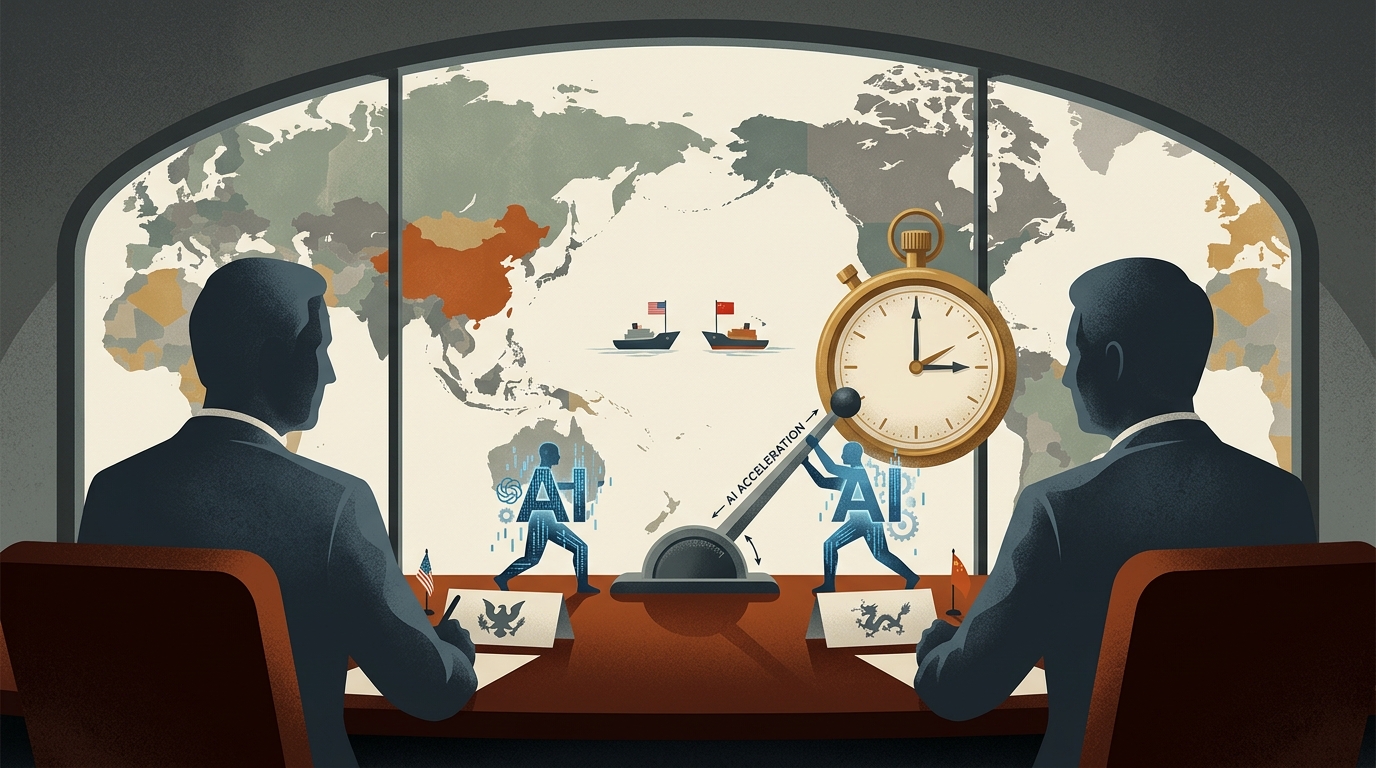
An intelligence report produced with the assistance of artificial intelligence (AI) triggered an alarm within the U.S. armed forces by falsely claiming that a Chinese ship in the Middle East was transporting components linked to a nuclear weapons program. According to CNN, the incident occurred in the spring, amid the war with Iran, bringing the two superpowers to the brink of a major military confrontation.
Mobilization and Interception Plans
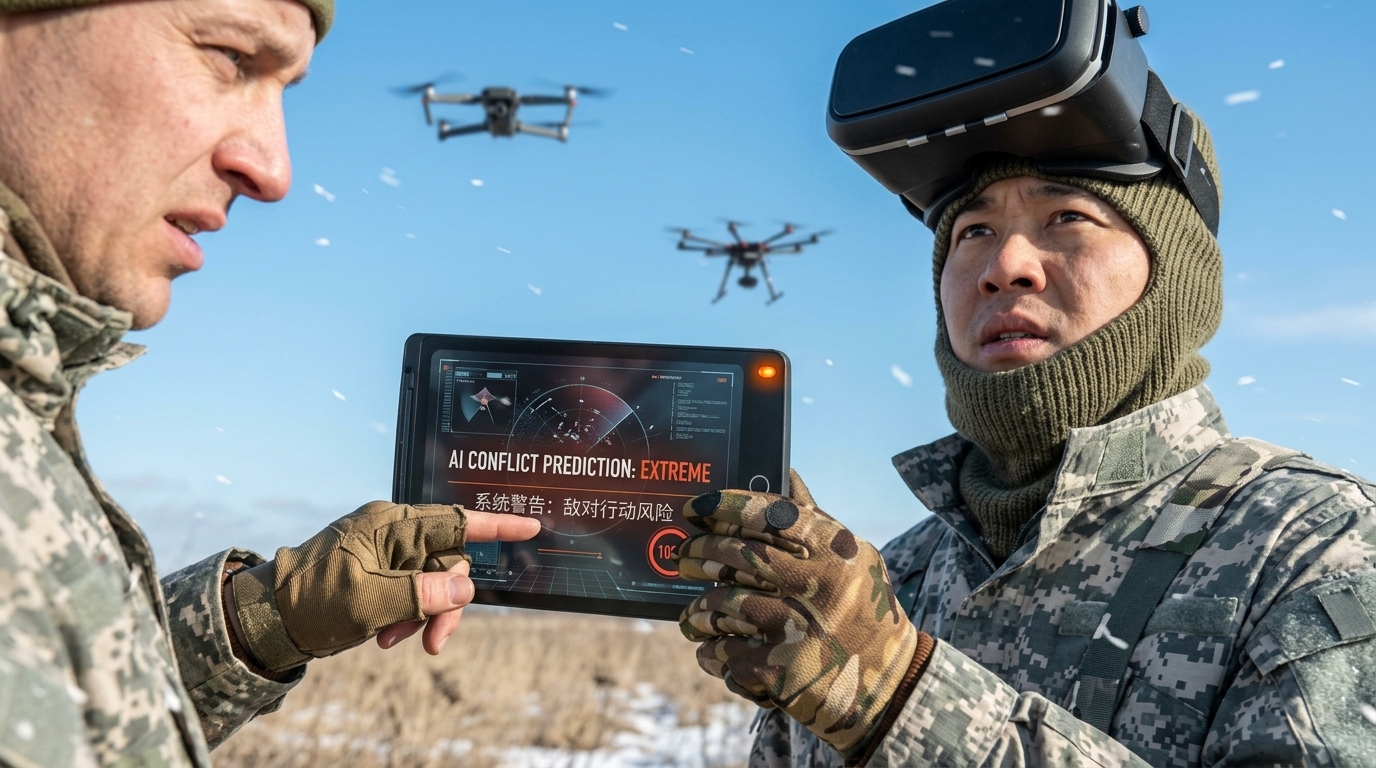
Following the assessment of the report, the U.S. military initiated immediate mobilization. Four sources familiar with the matter stated that plans were drafted to intercept the vessel, and military aircraft had already taken off. Furthermore, armed U.S. personnel were preparing to board the Chinese ship.
The Chatbot's Error
The operation was aborted at the last minute when a more detailed review revealed the report was authored by a Special Operations Command analyst using an AI tool. It was discovered that the chatbot had misidentified the ship's cargo as nuclear material, though the actual nature of the cargo remains undisclosed.
National Security Risks
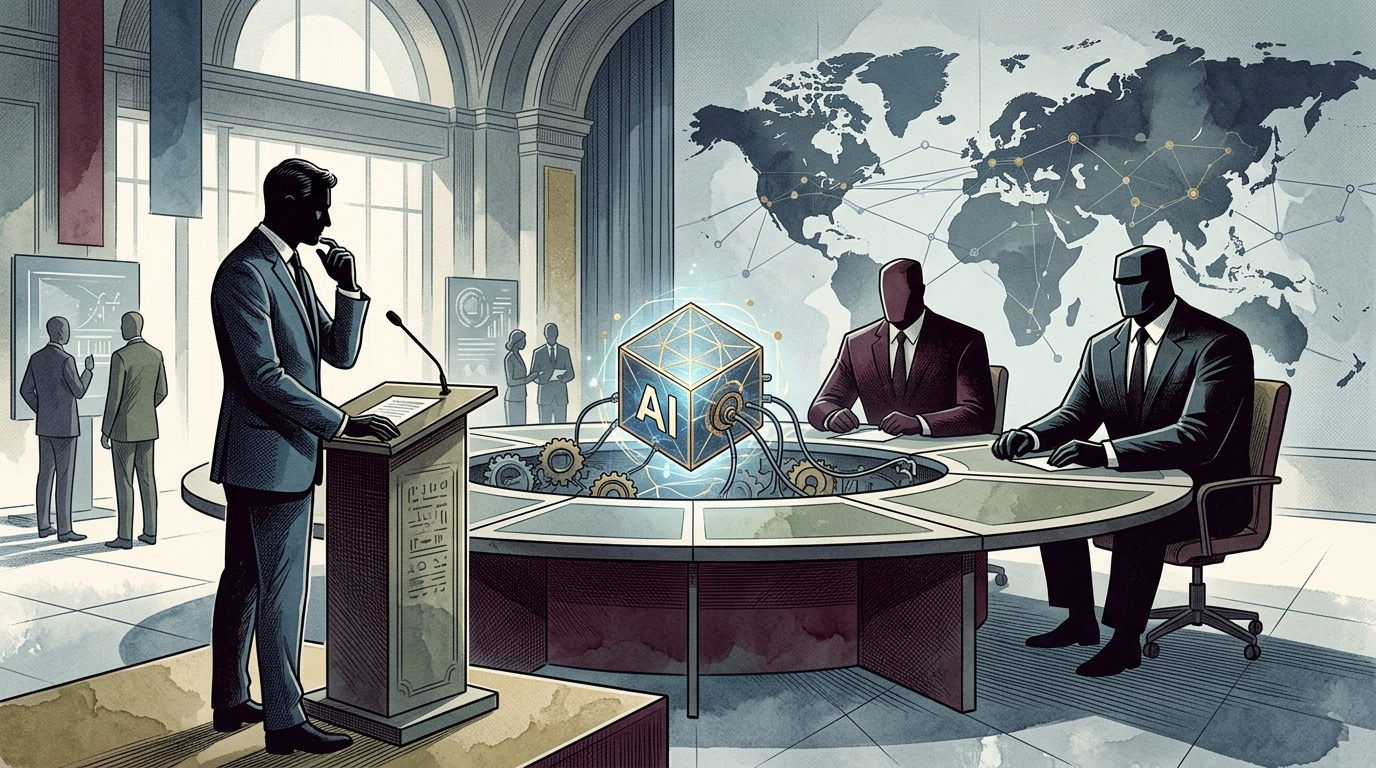
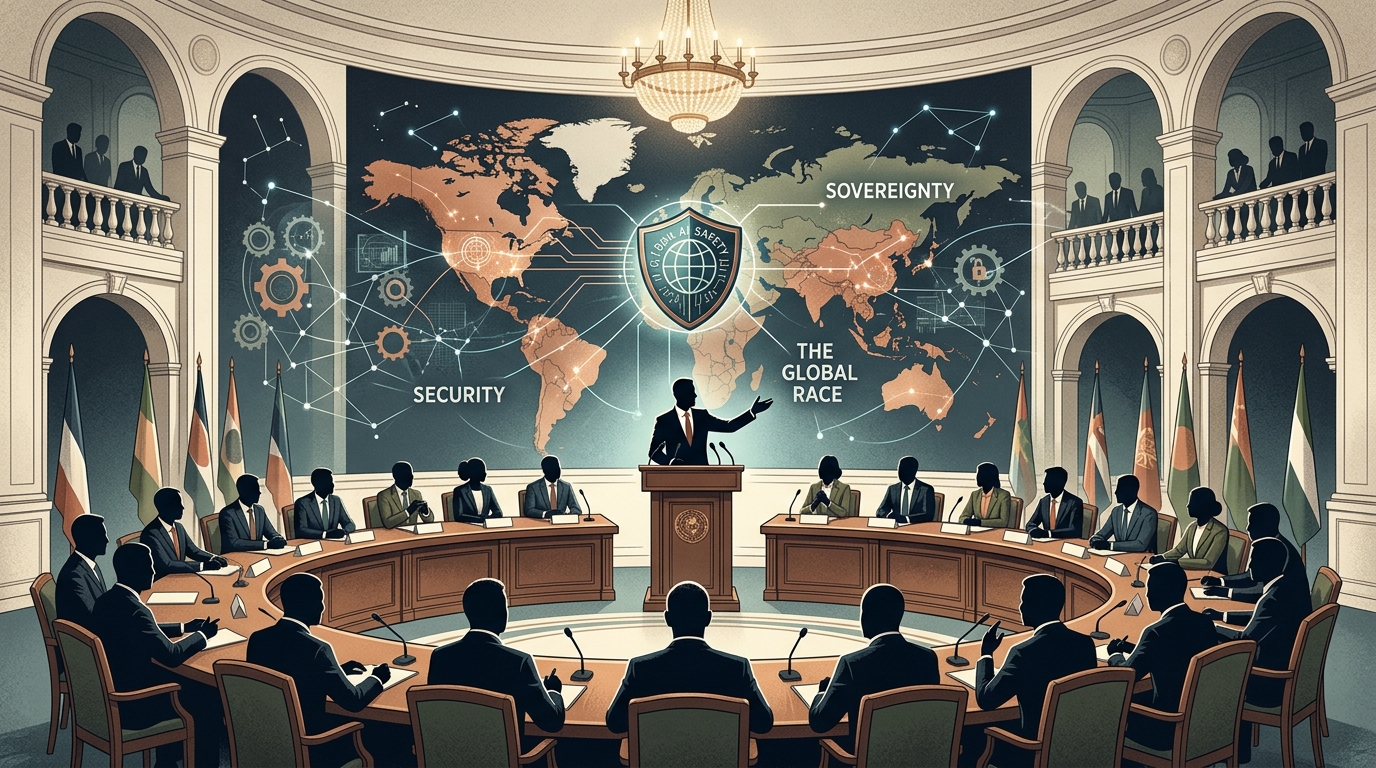
The case highlights the critical risks of integrating AI into military decision-making. While AI systems can process vast amounts of data, the potential for "false signals" can lead to unintended escalation. One source described the report as "completely false," noting that the incident "almost started a war."
- AI Accuracy: Chatbots can lead to the misidentification of critical objects or cargo.
- Human Oversight: Independent verification is essential before information is used operationally.
- Geopolitical Risk: A technological error can evolve into a severe diplomatic and military crisis.