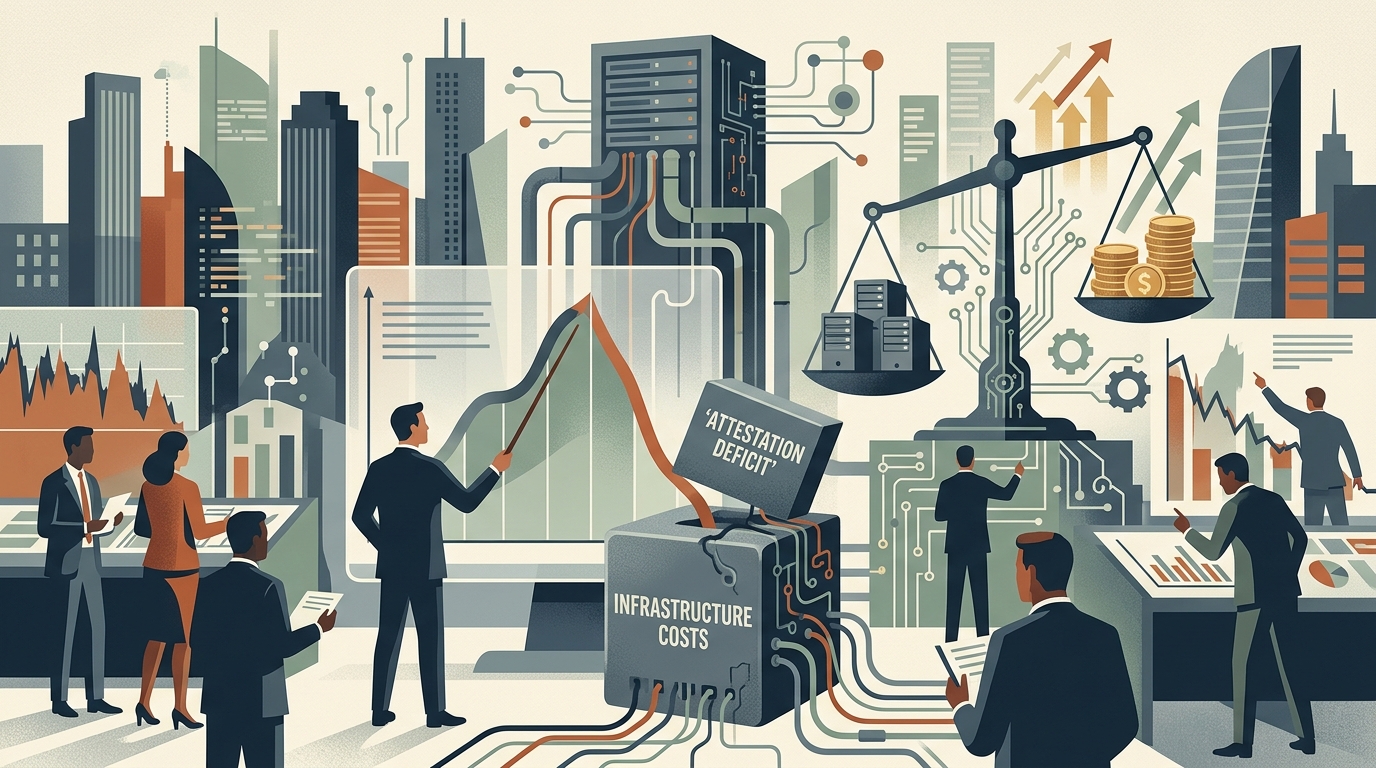
Financial firms have spent decades perfecting “know your customer” (KYC) rules. Their next compliance challenge is becoming “know your agent” (KYA).
The rise of the agent economy
Zhuoqun Bian, president of Ant Digital Technologies, issued this warning at the Fortune Leaders Forum in Macau. “In the agent economy, you need to know your agents. Who’s the agent? Who does it belong to? Who authorized it?” she stated. The scale of this shift is significant; a McKinsey report suggests AI agents could orchestrate as much as $5 trillion in global consumer spending by 2030.
Infrastructure built for humans
Current financial systems were designed with human users in mind, creating a gap for autonomous entities. “Looking forward, all the infrastructure needs to be rebuilt or enhanced for agents,” Bian noted. In response, Ant International has begun collaborating with Mastercard and Visa on a KYA interoperability framework. This work is being facilitated through BuildFin.ai, an industry platform convened by the Monetary Authority of Singapore.
Probabilistic AI vs. Deterministic Payments
The International Monetary Fund (IMF) has highlighted a core tension: payment systems rely on predictable rules and legal certainty, whereas AI agents are probabilistic and adaptive. This means the same prompt can yield different answers, a variability that conflicts with the need for payment rails to return consistent results every time. Benson Wong of JPMorgan Private Bank emphasized that the challenge lies in operating models and compliance controls rather than technical failure. He warned that as agent autonomy increases, the scale of potential impacts from errors grows exponentially.