

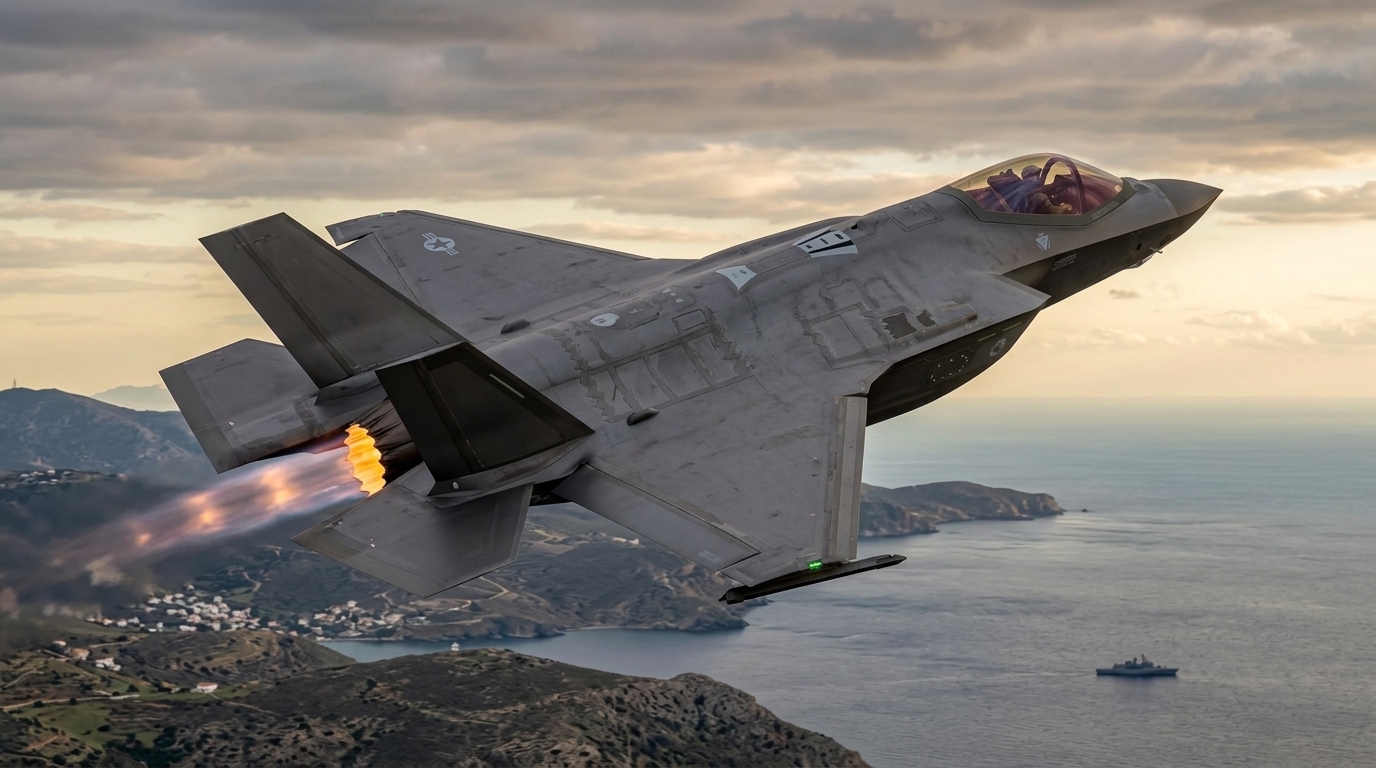
In the intricate geopolitical chessboard of the Eastern Mediterranean, the acquisition of fifth-generation F-35 fighter jets has become the new focal point of friction and diplomatic strategy. Recent leaks from diplomatic sources clarify a landscape often blurred by domestic political rhetoric: Greece does not possess, nor can it claim, a right to veto United States armament decisions regarding third countries, including Turkey. However, this admission is not a retreat but a realistic pivot toward a more effective strategy of "terms and conditions."
The Reality of Sovereignty and Armaments
The statement that "no country can impose on another what weapon systems it will buy or sell" reflects a fundamental principle of international politics. For Athens, recognizing this reality is the first step toward a serious foreign policy. Attempting to completely block the upgrade of the Turkish Air Force—whether through F-16 Vipers or a potential future return to the F-35 program—is a goal with low probabilities of absolute success, given Ankara's strategic importance to NATO.
Instead, Greek diplomacy, in collaboration with powerful lobbies in Washington, has shifted its focus to "controlled balance." This strategy is based on the belief that if Turkey is to rejoin advanced armament programs, it must be done with legally binding terms that prohibit the use of these systems for violations of Greek sovereignty and overflights over Greek islands.
Qualitative Edge and the MDCA Agreement
Greece is in an advantageous position due to the signing of the Mutual Defense Cooperation Agreement (MDCA) and its official entry into the F-35 program. While Turkey remains excluded from the program due to its purchase of Russian S-400s, Athens is building an aerial superiority that is not just quantitative but primarily qualitative. The F-35s will act as power multipliers, offering stealth capabilities and network-centric warfare that the current Turkish air force is unable to counter.
- The integration of F-35s into the Hellenic Air Force alters the deterrence doctrine in the Aegean.
- The Greek side seeks to ensure that American assistance to Turkey does not disrupt regional stability.
- Diplomatic contacts focus on strengthening the US presence at Greek bases as a counterweight to Turkish claims.
"Diplomacy is not the art of the impossible, but the art of managing the achievable under the best possible terms for national interests."
The Role of the US Congress
Despite Athens' inability to exercise a veto, the US Congress remains the critical factor. Concerns among American lawmakers regarding Turkey's reliability as a NATO ally often align with Greek positions. Greek diplomacy leverages these concerns, not to cause a definitive rupture in US-Turkey relations, but to ensure that any arms sale is accompanied by strict oversight. The clause regarding the non-use of American weapons against NATO allies is the "weapon" Athens is trying to make a permanent feature of US foreign policy.
In this context, Greece's stance in 2026 remains firm: Yes to modernization, but with the simultaneous assurance that the balance of power in the Eastern Mediterranean does not tilt dangerously toward a revisionist neighbor. The challenge for the Greek government is to convince the international community that Greece's security is synonymous with the security of NATO's southeastern flank.




