At the heart of the global technology supply chain, South Korea and Taiwan are experiencing a stock market euphoria unseen since the dot-com era. As we move through mid-2026, the Kospi and Taiex indices have shattered every previous record, driven by an insatiable hunger for semiconductors and Artificial Intelligence (AI) infrastructure. However, beneath the surface of these impressive returns lies a disturbing trend: much of this rally is fueled by retail investor debt and high-risk derivatives.
The Herd Mentality and Retail Investors
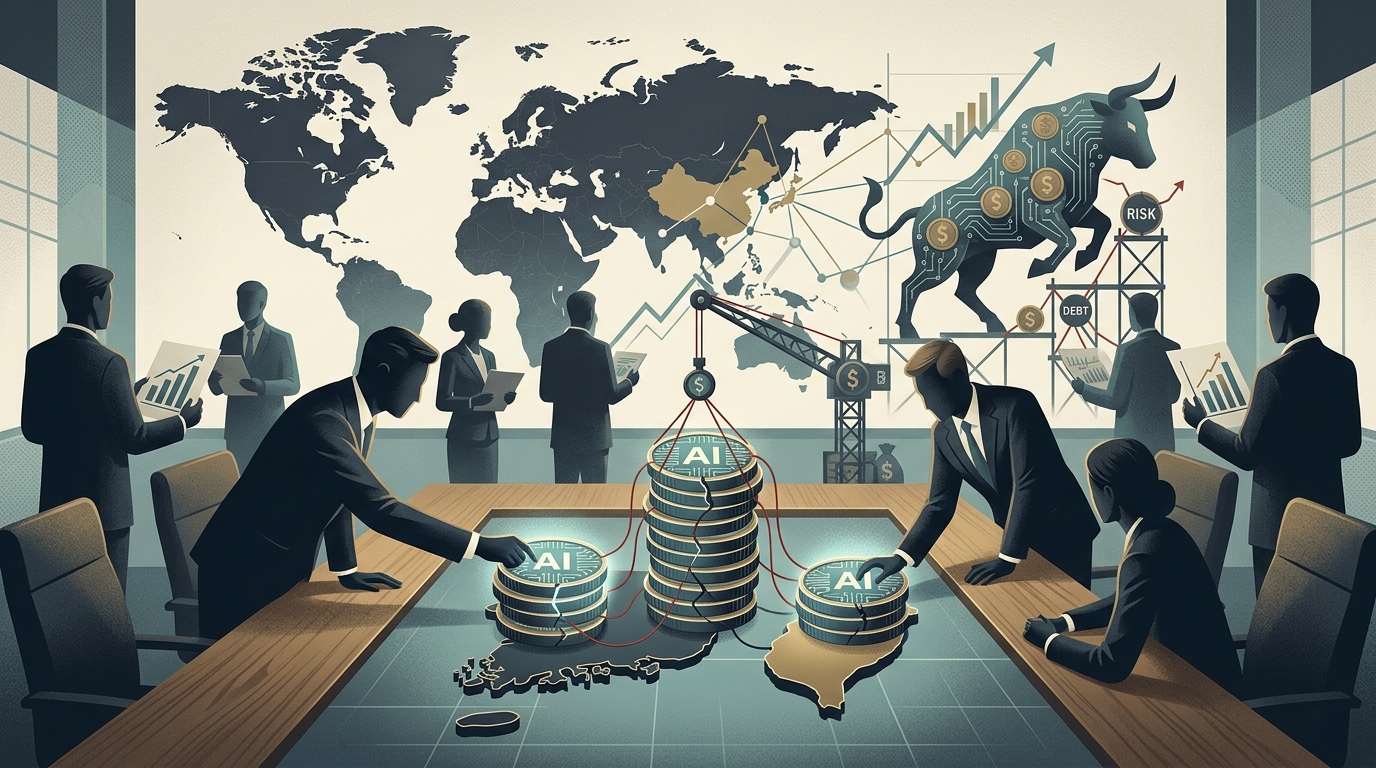
In South Korea, the so-called "ants" (retail investors) have abandoned traditional savings accounts in favor of tech stocks. SK Hynix and Samsung Electronics are no longer just corporations; they are national symbols of economic advancement. Recent data suggests that margin debt—money borrowed from brokerages to purchase shares—has reached alarmingly high levels. Investors are leveraging their positions to multiply gains, betting that the demand for High Bandwidth Memory (HBM) chips will grow indefinitely.
Similarly, in Taiwan, the dominance of TSMC has created an aura of invincibility. The company’s stock is now the cornerstone of almost every local portfolio. The culture of day trading has exploded, with younger investors utilizing apps that facilitate leveraged trades. This phenomenon creates a bubble based on expectation rather than purely on economic fundamentals, despite the undeniable profitability of the companies involved.
Geopolitics and the "Silicon Shield"
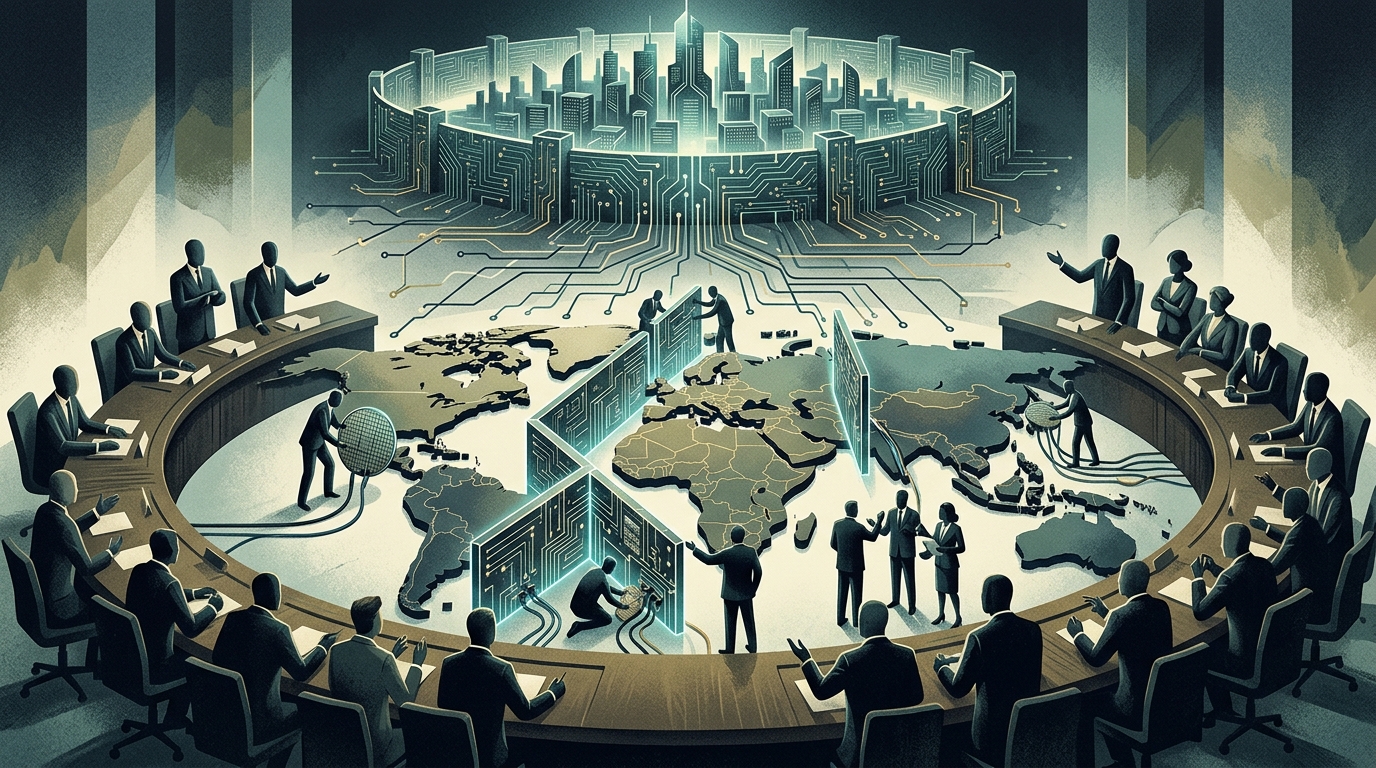
This surge is not merely a financial phenomenon; it is deeply geopolitical. Taiwan and South Korea constitute the "Silicon Shield" that protects Western economies from China's technological ambitions. U.S. support for these markets, through the CHIPS Act and strategic alliances, provides investors with a sense of security. There is a prevailing belief that governments will never allow these "strategic champions" to fail.
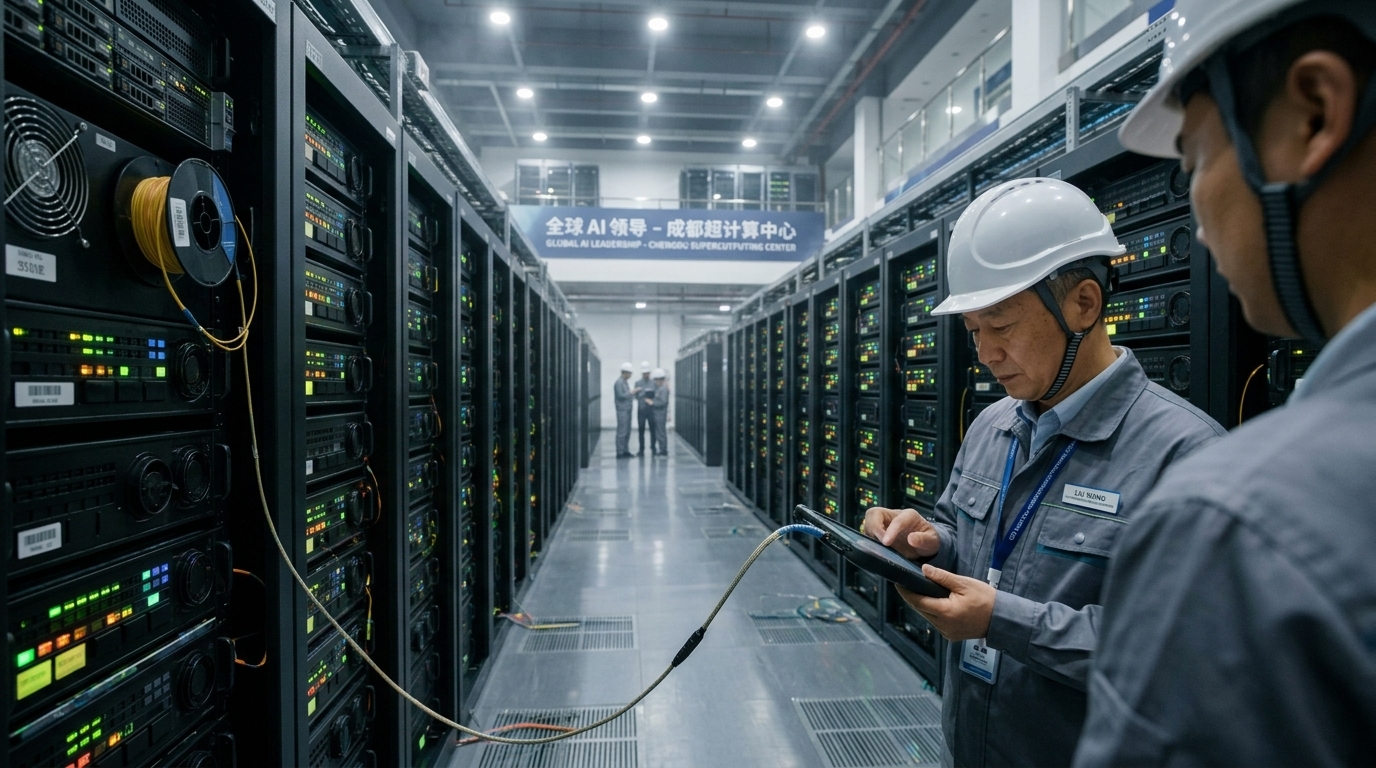
- SK Hynix holds a near-monopoly on the HBM chips required for Nvidia’s industry-leading processors.
- TSMC remains the sole manufacturer for the world's most advanced 2nm and 3nm chips.
- South Korea's "Value-up" program aims to improve corporate governance and attract foreign capital.
- Geopolitical tensions in the Taiwan Strait remain the "black swan" that markets consistently choose to ignore.
However, the heavy reliance on debt means that any geopolitical tremor or even a minor correction in Nvidia's valuation could trigger a catastrophic chain reaction. When prices begin to dip, brokerages will issue immediate margin calls, forcing investors to sell en masse and accelerating a downward spiral.
The Risks of Leverage and the Path Ahead
The question haunting analysts is whether AI profitability can keep pace with skyrocketing stock valuations. While the revenues of TSMC and SK Hynix are real and growing, the velocity of their stock price appreciation suggests that years of growth have been priced in within just a few months. Derivatives and leverage act as accelerators: they create wealth out of thin air during the boom, but they decimate household savings during the bust.
"We are not just seeing an investment craze; we are witnessing a bet on the survival of the Asian middle class through technology," notes a Seoul-based analyst.
In conclusion, South Korea and Taiwan are at the vanguard of the 4th Industrial Revolution. Their success is vital for the global economy. However, the current debt-fueled rally demands caution. Regulators in both nations are attempting to curb excessive leverage, but the thirst for quick profits in the AI era is proving difficult to suppress. The future of Asian markets will depend on whether the technological promise of AI translates into sustainable economic reality before the investors' credit runs dry.