As we navigate the middle of 2026, the global economic landscape is being redrawn not by borders or natural resources, but by flops, tokens, and neural parameters. According to recent market data, China, India, and Hong Kong have emerged as the sole outliers in a global trend of capital concentration. While tech titans in the United States and Europe are expanding their share of total market capitalization, their counterparts in Asia are witnessing a steady erosion of their dominance.
This shift is more than a mere stock market correction; it is a profound geopolitical signal. Artificial Intelligence (AI) has become the primary catalyst for market performance, and those failing to lead this revolution are being penalized by investors who are rerouting capital toward Silicon Valley at an unprecedented pace.
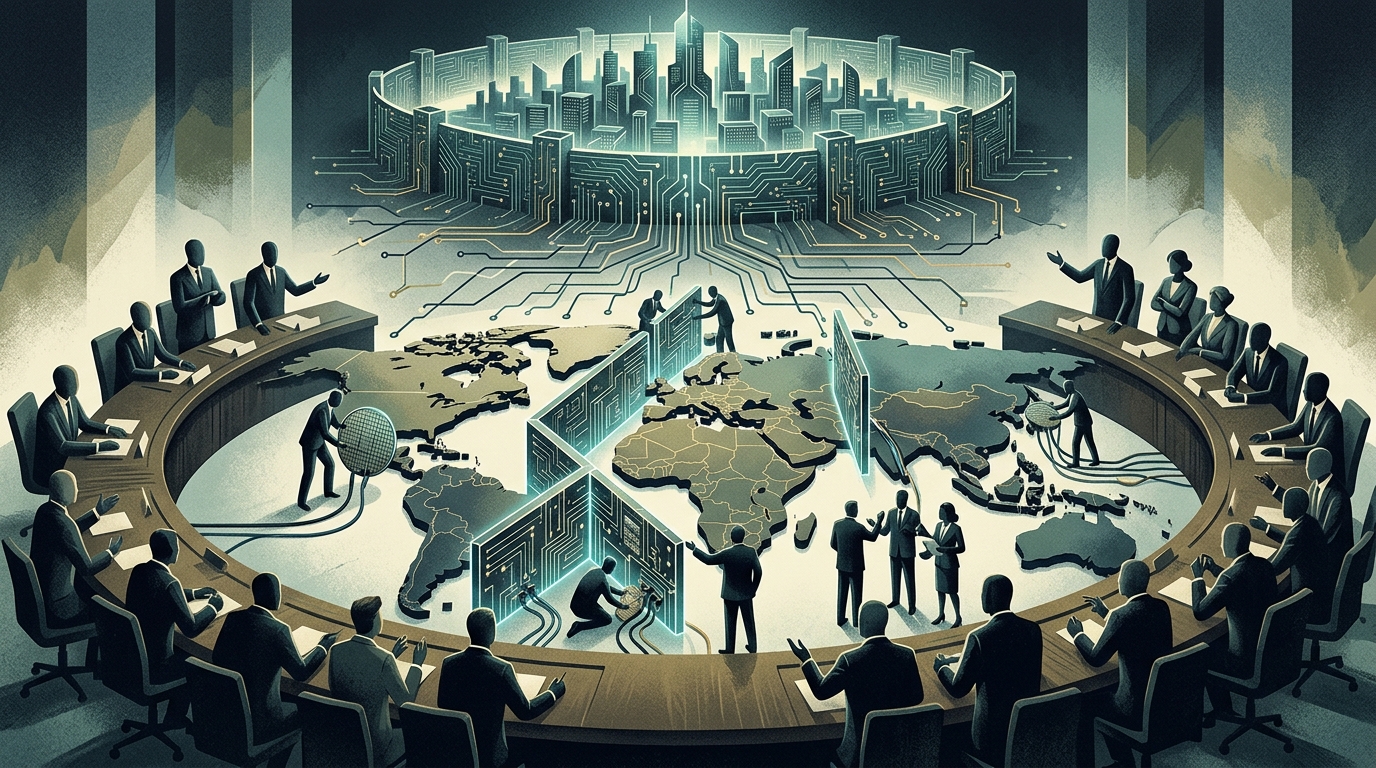
China and the 'Silicon Curtain'
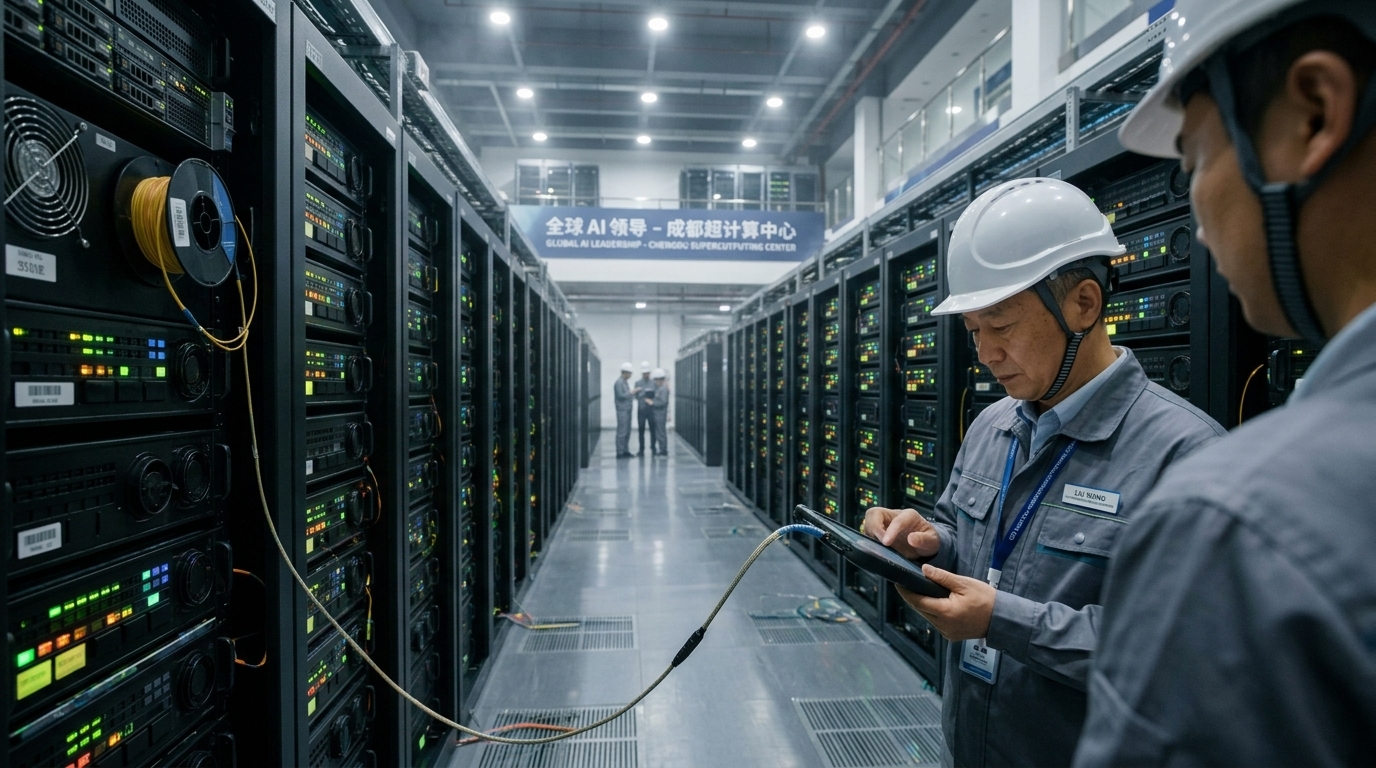
For China, the shrinking market share of its crown jewels—such as Tencent and Alibaba—is inextricably linked to the 'Silicon Curtain' of export controls. Despite massive state-led efforts to achieve technological self-reliance, the lack of cutting-edge GPUs from Nvidia and lithography machines from ASML has placed a hard ceiling on the growth of Chinese Large Language Models (LLMs).
Investors, wary of China being boxed into a domestic-only market by U.S.-led sanctions, are increasingly favoring American firms that enjoy unfettered access to the global supply chain. China's pivot toward 'Sovereign AI,' while necessary for the Communist Party's survival, appears to be coming at a steep price in terms of market valuation and international competitiveness. The valuation gap between Microsoft and Alibaba is no longer just a business metric; it is a measure of strategic depth.
India: The Outsourcing Dilemma in the Age of AI
India’s situation is distinct yet equally concerning. The nation that built its economic miracle on IT services and outsourcing now faces the existential threat of automation powered by generative AI. Giants like Infosys and Tata Consultancy Services (TCS) are struggling to convince the markets that they can pivot fast enough from being 'labor providers' to 'AI orchestrators.'
The paradox for India is that while its broader economy grows at over 6%, its top-tier listed firms are losing weight within the national market cap. This suggests that growth is being driven by traditional sectors—infrastructure, manufacturing, and consumption—while the high-tech sector, which should be the engine of future growth, is lagging behind the global AI-driven rally. Without a domestic semiconductor ecosystem or a breakout AI product, India risks being a bystander in the most lucrative tech boom in history.
The Great AI Divergence
The shrinking market cap share of top firms in China and India reinforces what analysts call the 'Great AI Divergence.' If this trend persists, the global economy will split into two tiers: those who own the intellectual property and infrastructure of AI (primarily the U.S.), and those who are either mere consumers or late adopters struggling with legacy systems.
- Hardware scarcity remains the primary bottleneck for Beijing’s AI ambitions.
- India urgently needs a national AI strategy that moves beyond services into product development.
- Hong Kong, as a financial gateway, is suffering from the dual pressure of geopolitical friction and the mainland's technological friction.
In conclusion, the market is delivering a clear verdict: AI is no longer a luxury or a niche sector; it is the sole prerequisite for maintaining economic relevance. China and India, despite their massive populations and industrial bases, are discovering that traditional metrics of power are insufficient to offset a deficit in cutting-edge innovation. The capital is speaking, and it is speaking the language of Silicon Valley.