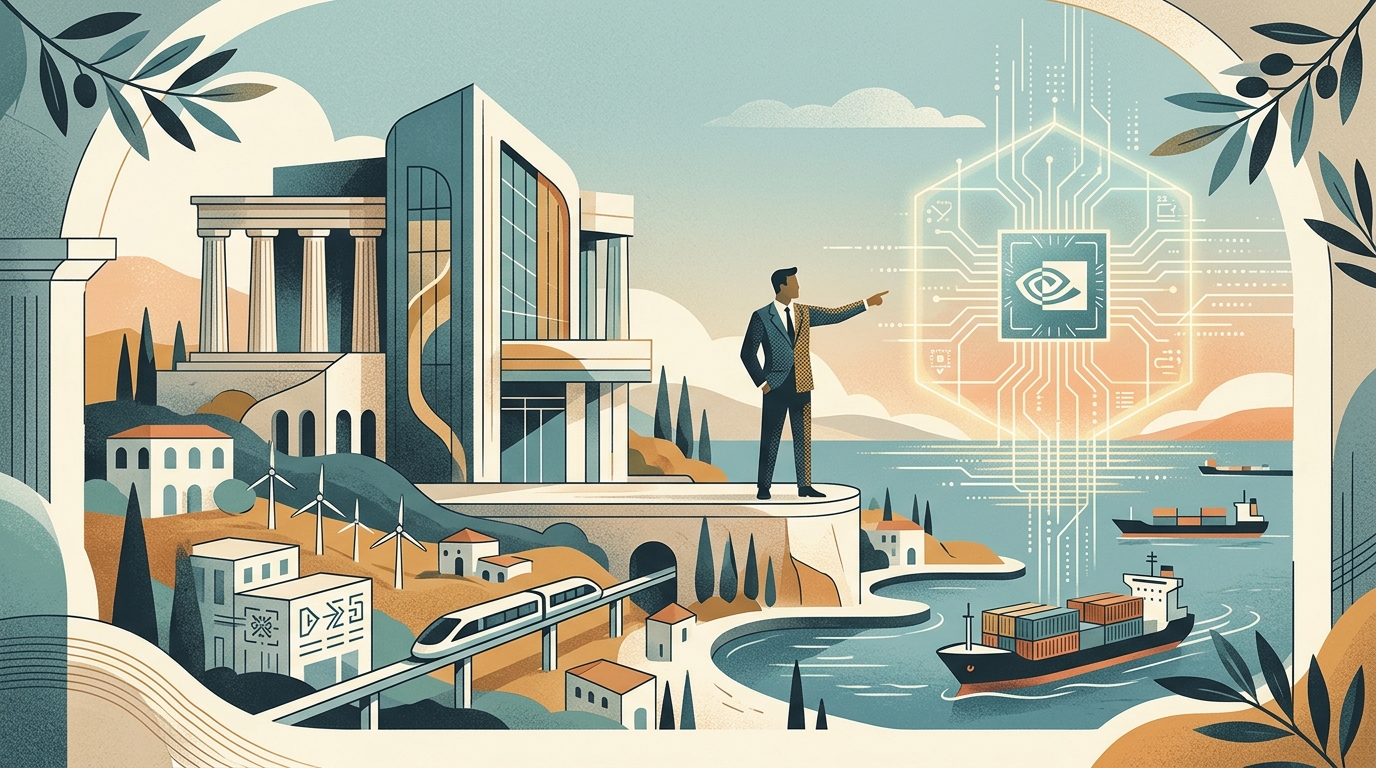
For decades, Silicon Valley was dominated by a specific caste: software engineers, mathematicians, and data scientists. The mantra "move fast and break things" was the gospel of technological development. However, as Artificial Intelligence (AI) transforms from an automation tool into an entity making decisions with profound ethical implications, the landscape is shifting radically. Today, companies like OpenAI, Anthropic, and Google DeepMind are not just looking for people who can write Python code, but for those who can dissect Aristotle’s "Nicomachean Ethics" or Kant’s "Groundwork of the Metaphysics of Morals."
The Alignment Problem: Beyond Logic
The primary driver behind this unexpected pivot toward the humanities is the "alignment problem." This refers to the challenge of ensuring that the goals of a super-intelligent system remain compatible with human values. The issue is that "human values" are not a fixed mathematical variable. They are fluid, often contradictory, and culturally dependent.
Philosophers are tasked with translating these abstract concepts into frameworks that can guide the training of Large Language Models (LLMs). When an AI is asked to decide how to prioritize freedom of speech over protection from hate speech, it isn't facing a technical bug; it is confronting a deeply political and ethical dilemma that has occupied humanity for millennia.
"Technology without ethics is blind, and ethics without technology is powerless in the 21st century," notes an ethics researcher at Anthropic.
From Trolley Problems to Source Code
The classic "trolley problem" is no longer a hypothetical exercise for philosophy freshmen. It is a daily reality for developers of autonomous vehicles and decision-making systems in hospitals or courtrooms. The philosophers hired by AI labs help set the parameters for what constitutes a "fair" decision.
- How is bias defined in a dataset?
- Which ethical theory should be prioritized: Utilitarianism (the greatest good for the greatest number) or Deontology (unbreakable rules)?
- How do we address the existential risk posed by Artificial General Intelligence (AGI)?
The Revival of Classical Thought
Interestingly, many Silicon Valley ethicists are returning to the roots of Western thought. Aristotelian Virtue Ethics is gaining ground over rigid rule-based systems, as AI needs to develop a form of "phronesis" (practical wisdom)—the ability to judge correctly based on context. Companies realize that if AI becomes a tool that simply parrots the internet, it will inherit all the biases and shadows of human nature. Philosophers act as "value architects," attempting to build a digital structure on more solid moral foundations.
Corporate Responsibility or "Ethics Washing"?
However, a skeptical view persists. Some argue that hiring philosophers is a form of "ethics washing," designed to appease regulators and the public. While philosophers debate the moral status of algorithms, corporations continue to amass unprecedented power and wealth. The true test will be whether the recommendations of these thinkers have the power to halt the release of a profitable but ethically dubious product. In the world of Big Tech, truth and profit often collide, and that is where philosophy will be forced to prove its practical worth.