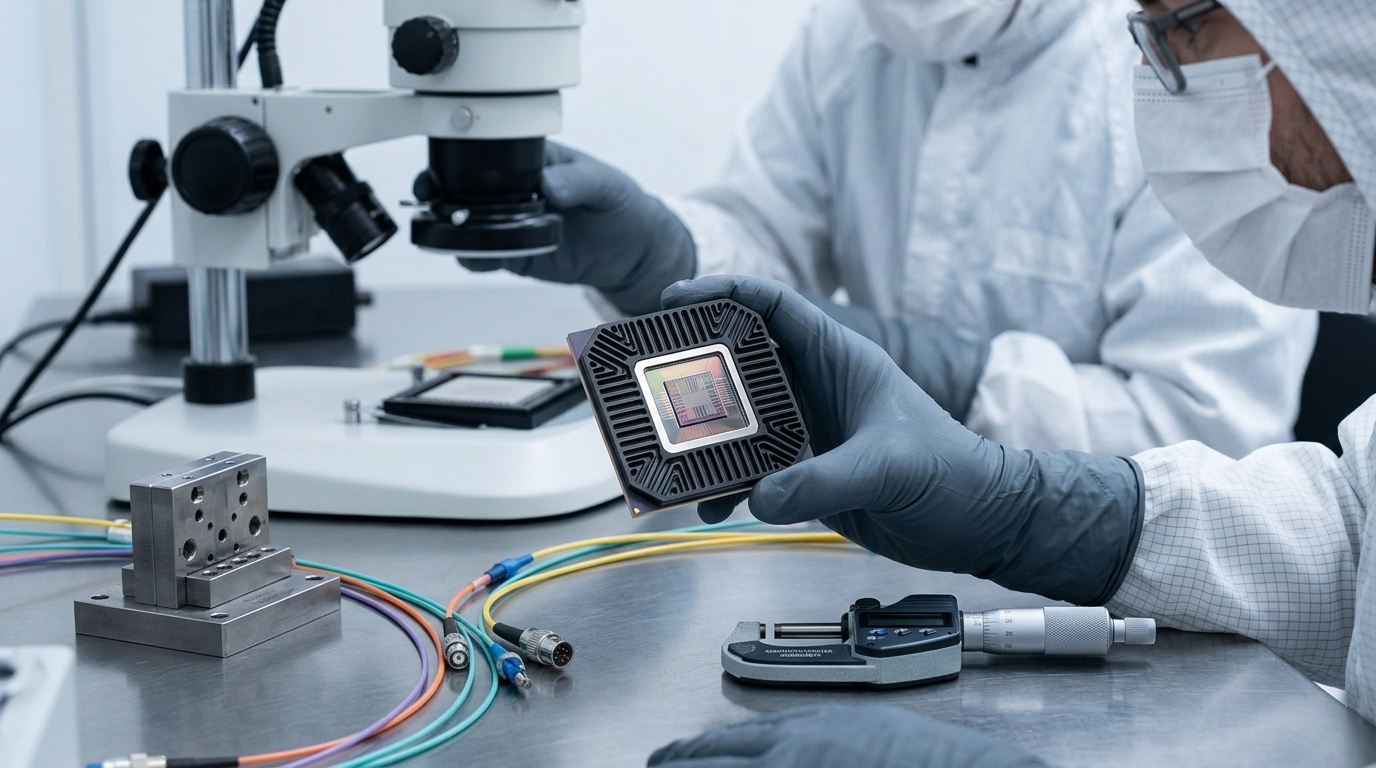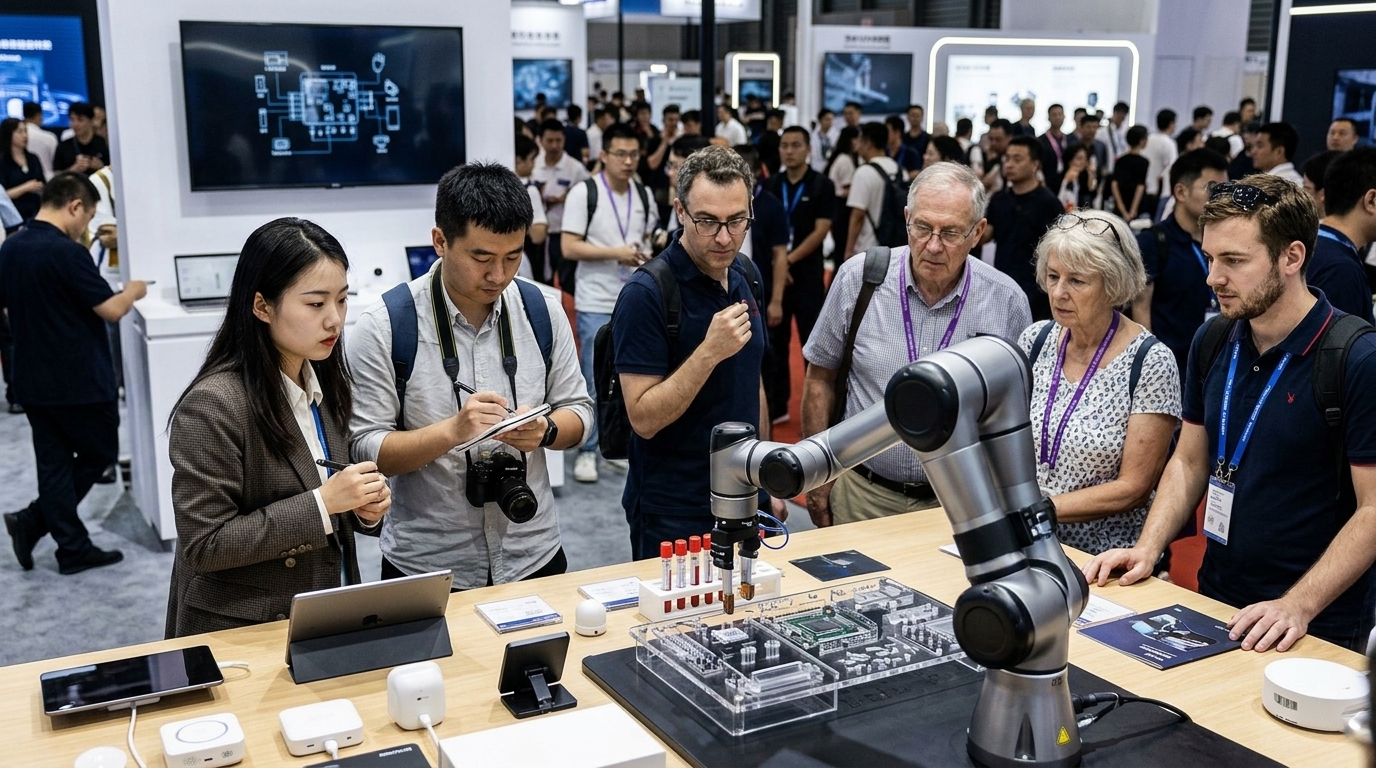
The World Robot Conference 2026, which opened on August 19 in Beijing, marks a turning point for Chinese technology, featuring over 3,000 cutting-edge exhibits. This year's event highlights a fundamental shift: robotic systems are no longer merely experimental models but are actively integrating into production processes and daily life.
Automation in Commerce and Industry
One of the most notable applications presented is the full automation of pharmacies. Autonomous robots can now fulfill orders by collecting medications from shelves with absolute precision, requiring no structural changes to the premises. In the industrial sector, companies such as Ti5 Robot and Leju Robotics are demonstrating systems that autonomously handle supply chains and parcel sorting.
Central to this progress is the "one brain, multiple devices" philosophy, where a single technological system controls different types of robots—from humanoids to quadrupeds—enabling mass production and application.
Robots in Human Service
Technology is now extending into the home. Exoskeleton assistance robots, based on digital modeling of the human body, provide aid for walking and exercise. Due to increased production capacity, the cost of these devices is falling, making them affordable for home care and rehabilitation.
"Flexible tactile sensing is the core for performing high-precision tasks," it is noted regarding the new humanoids that approach human motor capabilities.
With the domestic production of critical components and the development of intelligent agents, China is forming a comprehensive ecosystem that accelerates smart manufacturing and the upgrading of healthcare services.