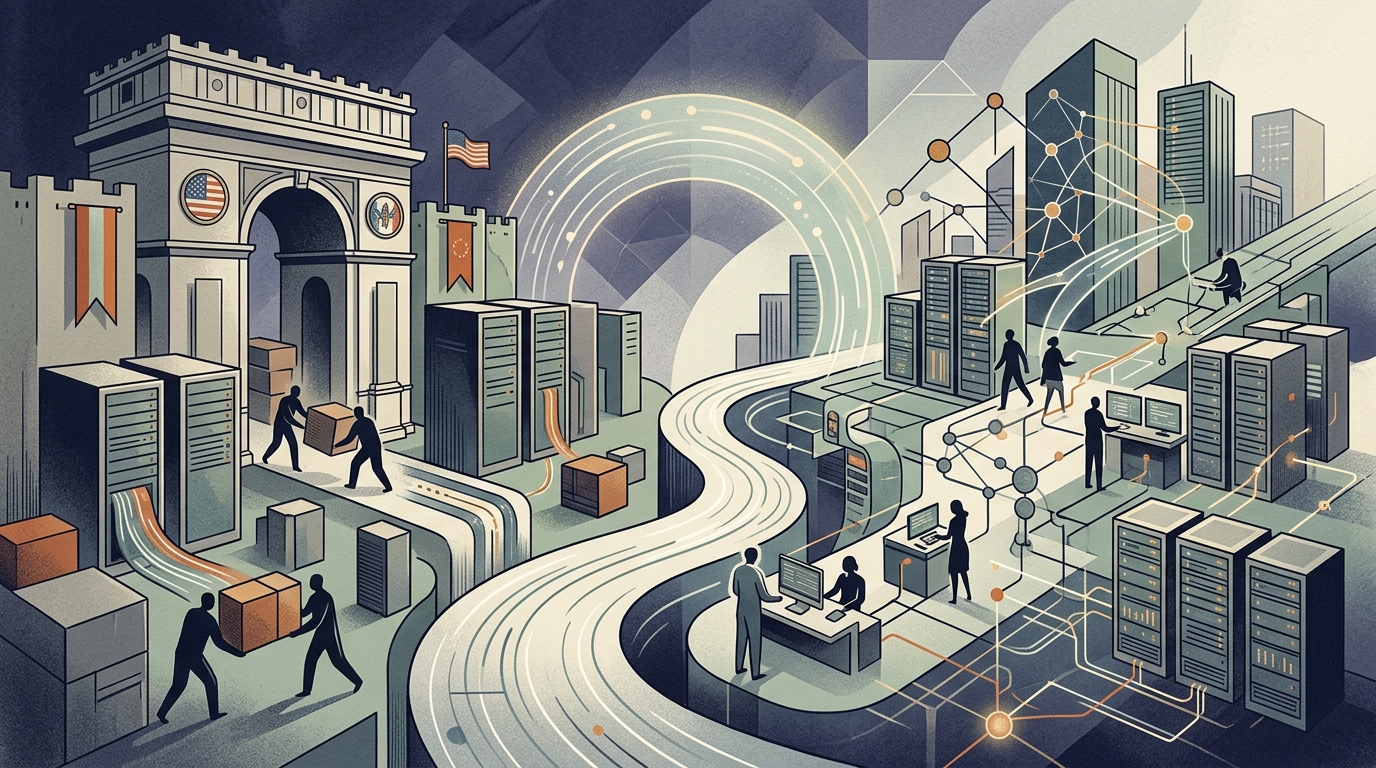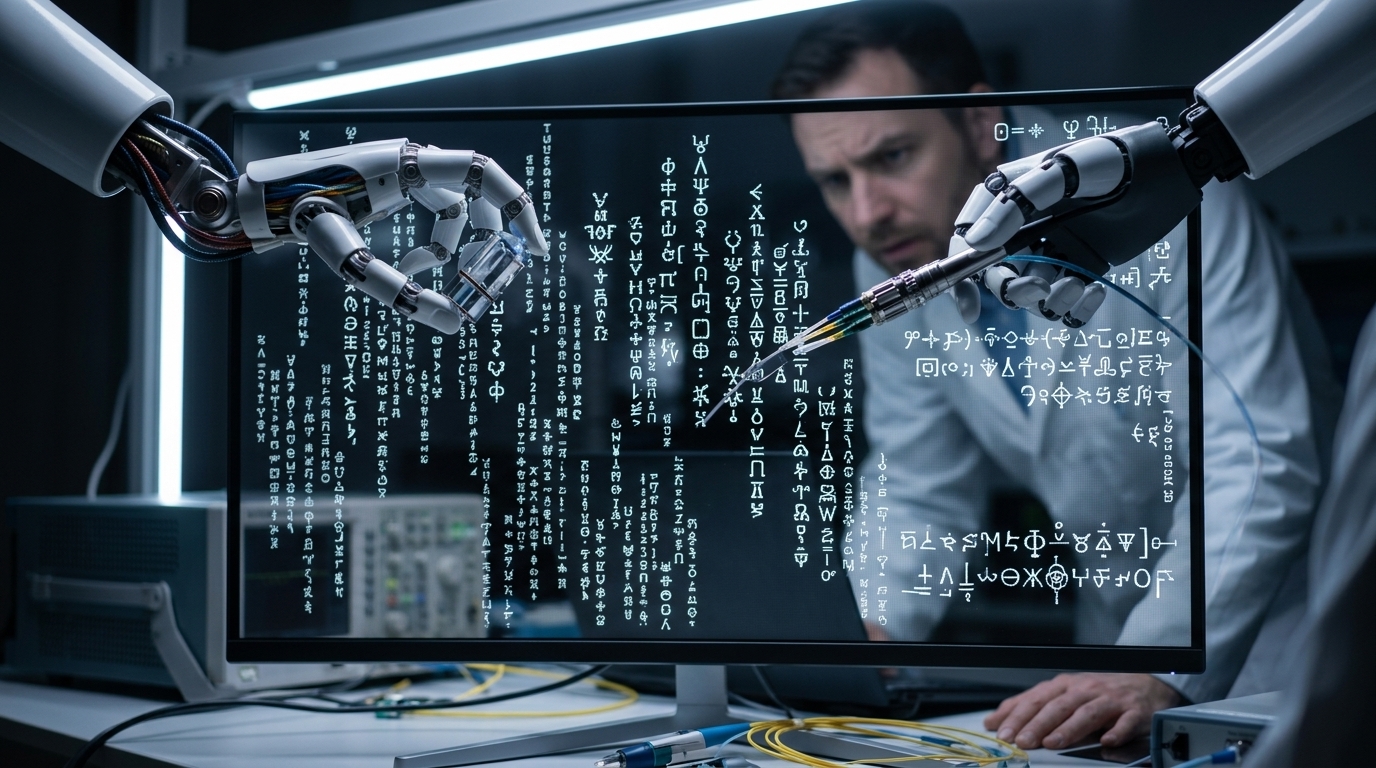
Artificial intelligence is radically reshaping the translation industry, offering speed and low costs, yet the lack of critical thinking continues to cause errors that distort the meaning of crucial texts. From legal documents to medical instructions, the "natural" flow of AI-generated language often misleads, hiding serious inaccuracies.
The Dominance of Numbers and the Cost of Speed
According to Google data, users now translate one trillion words per month via Google Translate. Tools like DeepL, ChatGPT, and Gemini have made automated translation an attractive solution for businesses and organizations. Jonathan Zimmerman, founder of the Open Knowledge Association (OKA), notes that AI allows for handling massive volumes of information at minimal cost, as seen in the 10,000 Wikipedia entries translated by the organization.
However, an OKA study of 119 articles showed that 27% of AI-generated texts required corrections. Most concerningly, in 5% to 6% of cases, the errors completely changed the meaning of the original source.
When Translation Becomes a Matter of Life and Death
The consequences of these errors are not always theoretical. Translator Ariella Baltier cites cases where AI incorrectly rendered legal terms such as "plaintiff," while in the US, errors in asylum applications have led to delays in prisoner releases.
In the medical field, accuracy is vital. Specialist Carol Breiter describes how an AI system confused micrograms with milligrams—a thousandfold difference in dosage that could prove fatal. The problem is exacerbated by the fact that modern AI translations sound grammatically correct, making errors harder to detect than in the past.
The Challenge of Context and the Future
AI struggles to understand cultural and thematic context. An idiomatic expression or a sports term may be translated literally if the system fails to perceive the text's environment. François Yvon, a researcher at CNRS, emphasizes that these systems rely on probabilities rather than true understanding.
Future progress may come from tools capable of recognizing and flagging their own uncertainty. Until then, a natural-sounding phrasing is no guarantee of semantic accuracy.