The Chinese economy is demonstrating a significant shift toward modern growth drivers, with the so-called 'Three New' economy leading the way. According to the latest data for 2025, the added value of these activities reached 25.7869 trillion yuan, recording an annual increase of 6.2% in current prices. This rate is particularly noteworthy as it stands 2.2% higher than the country's nominal GDP growth.
Defining the 'Three New' Economy
The term 'Three New' refers to economic activities based on three pillars: new industries, new business forms, and new business models. Their strategic importance has been steadily growing, with their share of Chinese GDP rising from 15.7% in 2017 to 18.39% in 2025.
Sectoral Breakdown
The distribution of added value for 2025 highlights the dominance of services and industry within this new framework:
- Primary Sector: Reached 986.5 billion yuan (4% increase), accounting for 3.8% of the total.
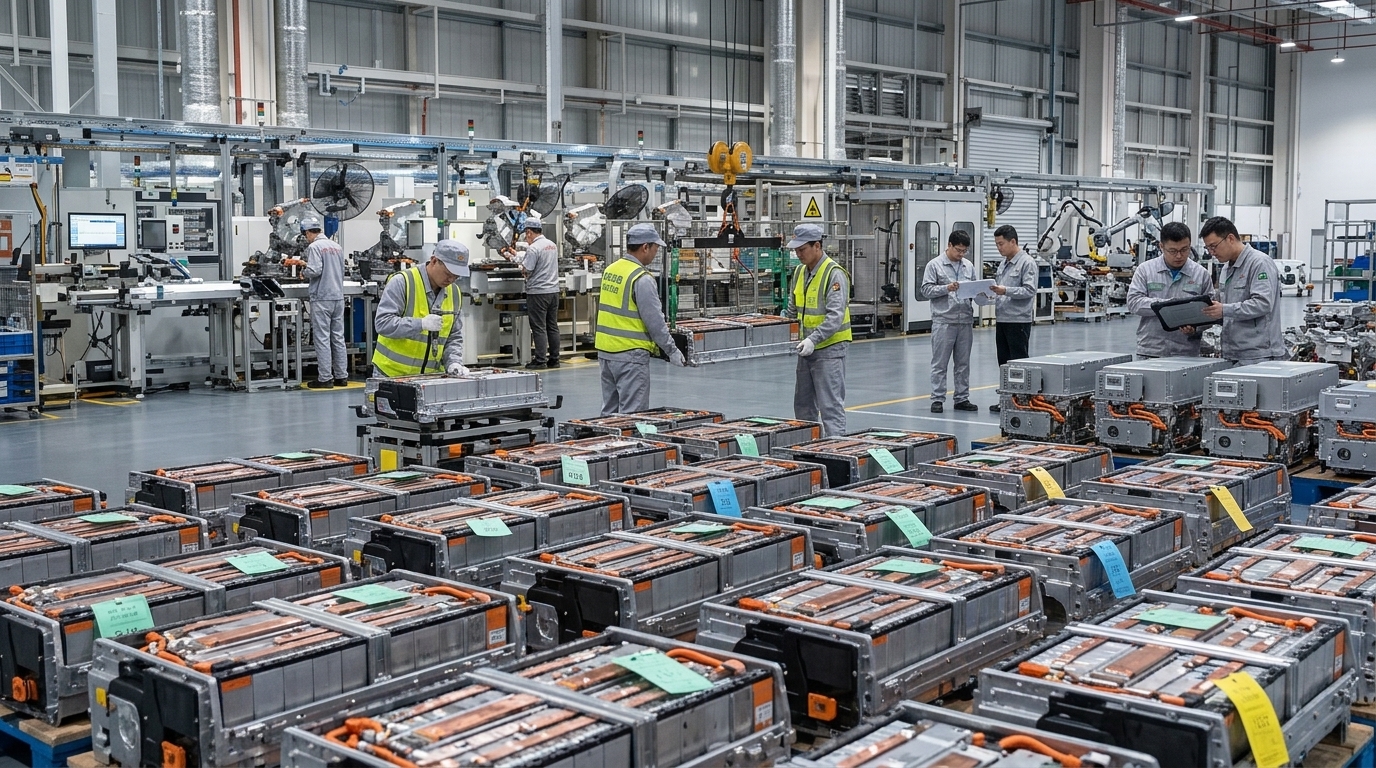
- Secondary Sector: Stood at 10.6304 trillion yuan (5.8% increase), with a 41.2% share.
- Tertiary Sector: Led the way with 14.17 trillion yuan (6.6% increase), representing 55% of the total added value.
Social and Economic Implications
The transition from traditional to new growth drivers aims at a smarter and greener industrial system. Beyond technological upgrades, the 'Three New' economy has created new jobs and more flexible forms of employment. This contributes to diversifying income sources and boosting domestic consumption, while simultaneously shielding the economy against international fluctuations and enhancing long-term resilience.