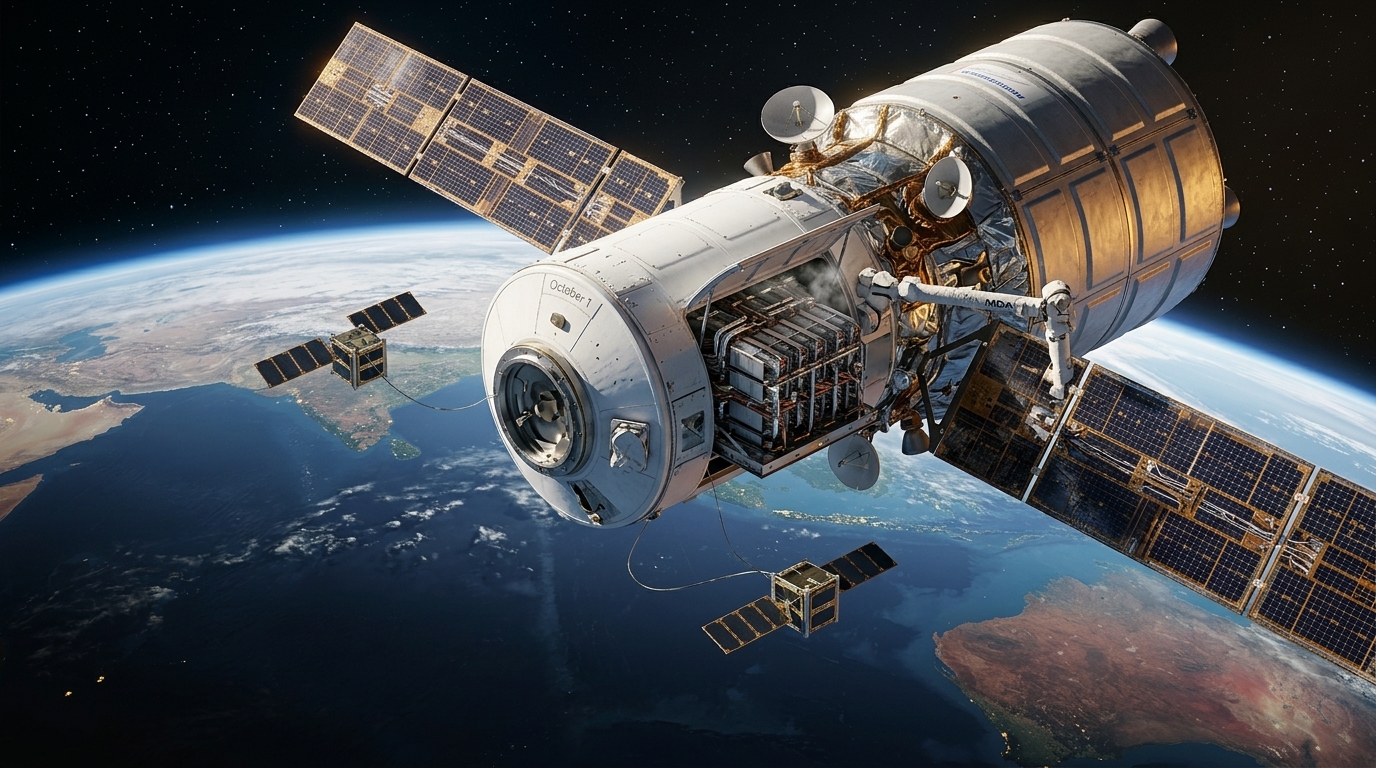
On October 1, Google is set to take its first practical step toward off-planet computing. An experimental satellite, part of Project Suncatcher, is scheduled to launch aboard a SpaceX Falcon 9 rocket, marking the start of a research effort to determine if AI can operate effectively in orbit.
The Architecture of Project Suncatcher
The satellite, roughly the size of a refrigerator, possesses computing power comparable to a single terrestrial server. Google's core concept relies on harnessing solar energy, which is abundant in space, to power specialized AI chips. In the future, the company envisions satellite formations communicating via optical links (lasers).
Cooling and Radiation Challenges
Despite the ambitious nature of the project, technical hurdles remain immense. According to Travis Beals, an executive with Project Suncatcher, tests have shown that the chips can currently operate for only 15 minutes before overheating and requiring a shutdown to cool. To address this, Google will test a cooling system utilizing heat pipes and radiator surfaces in orbit.
"We don't expect anything substantially functional for the next few years," stated James Manyika, Google’s VP of Research.
Beyond heat management, radiation and space debris pose constant threats. Furthermore, maintenance in space is exceptionally difficult; unlike a terrestrial data center where a technician can swap a part, repairing hardware in orbit is currently impossible or prohibitively expensive.
Environmental Concerns
While moving data centers to space could alleviate pressure on Earth's energy grids, the total environmental footprint remains under scrutiny. Scientists are concerned about the impact of materials released when satellites burn up during re-entry, potentially affecting atmospheric chemistry and the ozone layer.