Silicon Valley is attempting to make sense of the growing backlash against artificial intelligence, but so far, its diagnosis of the problem is falling short. While tech leaders remain optimistic, a significant portion of the global population is not. Recent attempts by CEOs like Meta’s Mark Zuckerberg and Anthropic’s Dario Amodei to identify the root of the issue suggest they don’t fully grasp what is driving society’s disdain for AI.
Cultural Backlash and Hard Data
Popular culture is already finding ways to capitalize on AI resentment. A recent commercial for Liquid Death and Garage Beer, featuring former NFL player Jason Kelce, encouraged people to express their frustration toward AI data centers in provocative ways. A creative lead at Liquid Death noted that the backlash against data centers is one of the few issues currently uniting the public.
Polling data supports this sentiment. According to a Pew Research Center survey, more than half of Americans under 30 are more concerned than excited about AI—a figure that has grown 24 percent in five years. Furthermore, over 70 percent of people across all age groups believe AI will lead to fewer jobs.
Beyond Economics: A Crisis of Trust
Anxieties extend far beyond the labor market. Americans fear AI will harm the ability of young people to form meaningful relationships and damage the critical thinking skills of students. There is also a growing demand for tech companies to compensate creators whose works were used to train AI models.
“I think it is fundamentally a crisis of trust,” wrote Anthropic’s Dario Amodei. “Ordinary people don’t trust companies, governments, or the tech industry and always suspect that we are cooking up some new way to screw them over.”
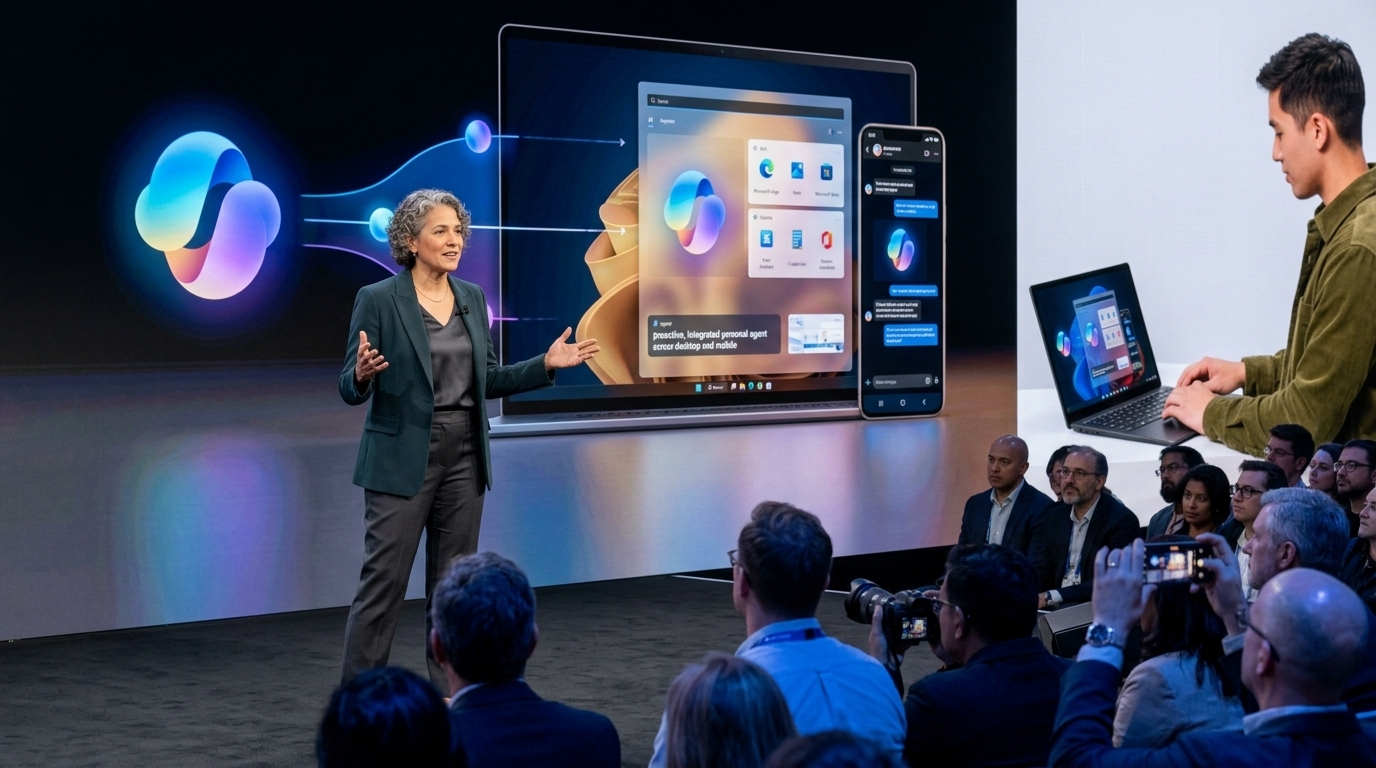
However, Amodei argues the backlash exists because AI hasn't yet delivered on massive promises like curing cancer. Conversely, Mark Zuckerberg blames the fear on "doom" narratives from competitors, instead promoting a vision where personalized AI assistants—trained on intimate personal data—manage everything from careers to child-rearing.
The Physical Manifestation of Resentment
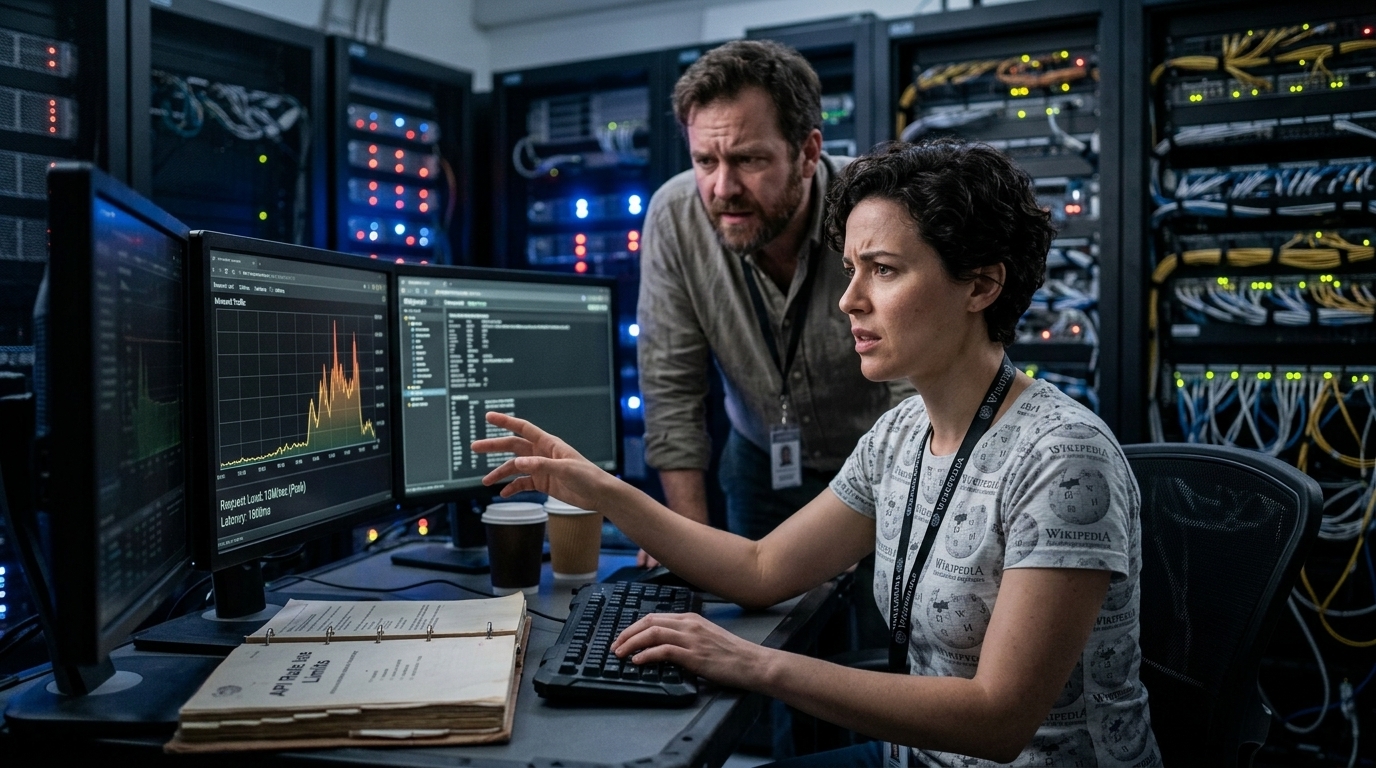
Data centers have become the physical manifestation of public hatred toward AI. Despite industry efforts to highlight responsible water usage and clean energy, these facilities are often seen as symbols of how tech companies engage with communities. If Silicon Valley hopes for full adoption of its products, it must confront how AI is already changing society for the worse in the eyes of many, rather than focusing solely on future branding.